
Altitude Sickness: Staying Safe on High-Altitude Trips
Medically reviewed by Muhammad Adnan, Superintendent Pharmacist (GPhC reg. 2073652) · Reviewed 2026-10-15
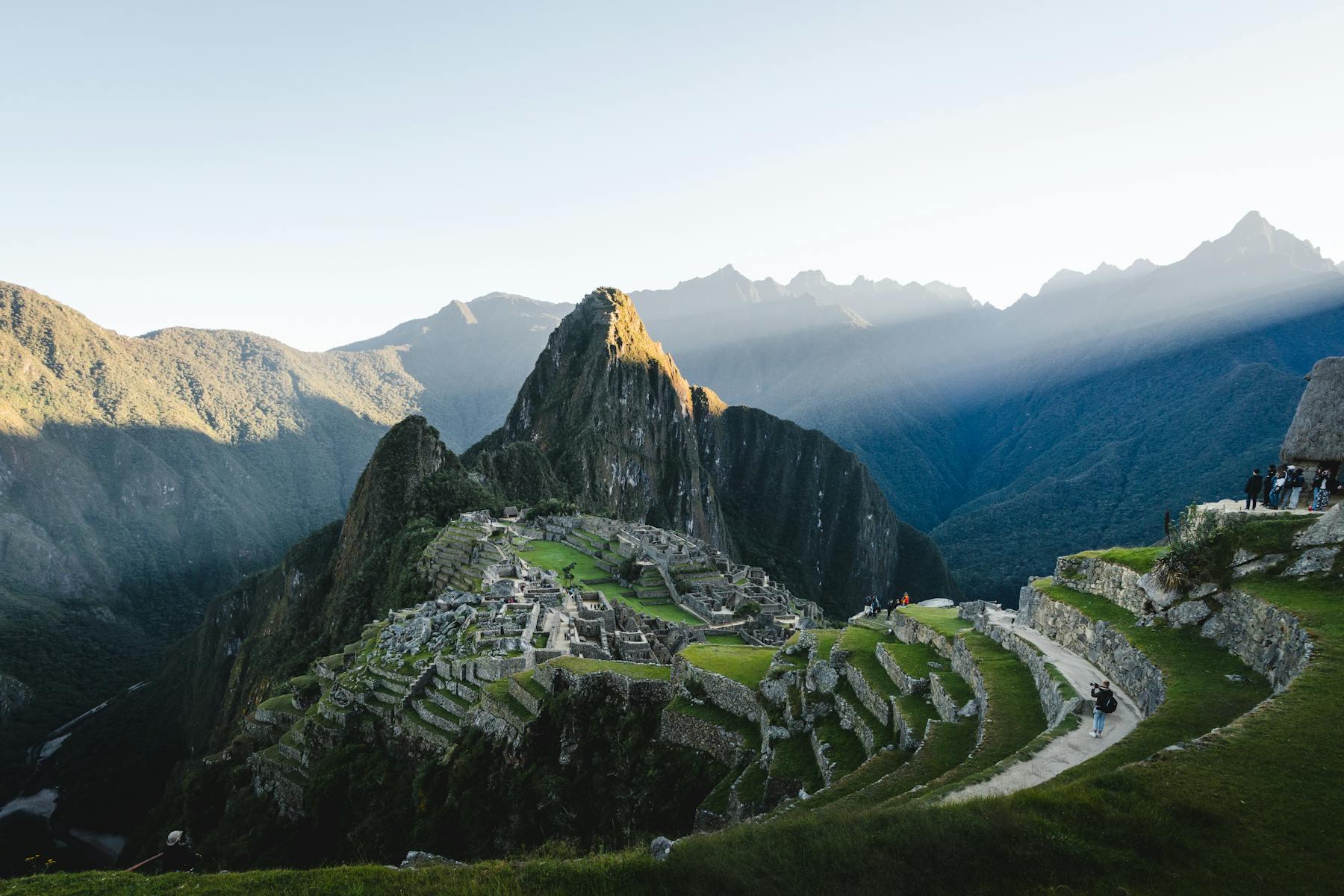
Altitude sickness can affect anyone climbing above roughly 2,500 metres, regardless of how fit you are. The good news is that with sensible acclimatisation and a little planning, most trekkers heading to Peru, Nepal or Kilimanjaro can prevent it or spot it early.
If you're getting ready for a high-altitude trip from Altrincham, Timperley or anywhere across Trafford, here's a clear, practical guide to what altitude sickness is, how to avoid it, and when to take it seriously.
What is altitude sickness and why does it happen?
As you climb higher, the air pressure drops and there's less oxygen available with each breath. Your body needs time to adjust, and if you go up too quickly it can't keep pace. This is what causes acute mountain sickness, usually shortened to AMS.
It's genuinely common. Many people trekking in the Andes, the Himalayas or up Kilimanjaro will feel at least some mild symptoms. The key point is that AMS is not about being unfit or unprepared, young, athletic travellers are affected just as often as anyone else.
The three forms worth knowing about are:
- AMS — the mild, common form (headache, nausea, tiredness).
- HACE — high-altitude cerebral oedema, a dangerous swelling affecting the brain.
- HAPE — high-altitude pulmonary oedema, fluid building up in the lungs.
HACE and HAPE are medical emergencies. They're uncommon, but they can be life-threatening, which is why knowing the warning signs matters.
What are the symptoms of AMS?
Mild altitude sickness usually comes on within 6 to 24 hours of arriving at a higher altitude. Think of it as feeling like a bad hangover without the night before.
Common symptoms include:
- A headache, often throbbing and worse at night or in the morning
- Feeling sick or losing your appetite
- Dizziness or light-headedness
- Tiredness and difficulty sleeping
- Feeling generally unwell
The golden rule here is simple: if you have a headache plus any other symptom after going up, assume it's altitude sickness until proven otherwise. Don't talk yourself out of it. The NHS guidance on altitude sickness sets this out clearly.
If symptoms are mild, the answer is usually to stop, rest and not climb any higher until you feel better.
The golden rules of acclimatisation
Preventing altitude sickness is far easier than treating it, and it mostly comes down to going slowly.
- Ascend gradually. Once above about 3,000 metres, try not to increase your sleeping altitude by more than 300 to 500 metres per night (please check current guidance for your specific route).
- "Climb high, sleep low." It's fine to trek to a higher point during the day, as long as you come back down to sleep at a lower altitude.
- Build in rest days. A rest day every 600 to 900 metres of ascent gives your body time to adjust. This is why reputable Kilimanjaro and Everest Base Camp itineraries add extra days.
- Stay well hydrated and avoid alcohol, especially in the first few days.
- Don't overexert early on. Walk at a steady, unhurried pace.
- Never ignore symptoms in yourself or your trekking companions.
A quick word of caution: tight flight-then-trek schedules are a common trigger. Flying straight into a high city like Cusco or Lhasa and setting off immediately gives your body no chance. Where you can, plan a gentler profile.
When is acetazolamide appropriate?
Acetazolamide (you may hear it called by its brand name, which we won't use here) is a prescription medicine that helps your body acclimatise faster. It doesn't mask symptoms, it genuinely speeds up adjustment.
It's worth considering if:
- Your itinerary involves a rapid ascent that can't easily be avoided
- You're flying directly to a high altitude
- You've had altitude sickness before
It isn't a substitute for sensible acclimatisation, and it isn't suitable for everyone, particularly people with a sulfonamide allergy or certain medical conditions. Dosing is typically started a day or two before ascent and continued for a few days at altitude (please check current guidance), but the exact plan should be decided with a pharmacist or prescriber who has reviewed your health and your route.
This is something we can discuss during a travel consultation here in Timperley. We'll look at your itinerary, your medical history and any regular medicines before advising. You can book a travel consultation with us for this.
Red-flag symptoms: when to descend immediately
This is the part to commit to memory. If you or anyone in your group develops signs of HACE or HAPE, the single most effective treatment is to go down, without delay, even at night.
Descend immediately and seek help if you notice:
- Confusion, disorientation or odd behaviour
- Loss of coordination or unsteadiness (as if drunk)
- Severe, unrelenting headache that doesn't ease
- Breathlessness at rest, not just on exertion
- A persistent cough, sometimes with frothy or pink spit
- Severe vomiting that won't settle
Don't wait to "see how it goes" overnight. Delaying descent is the most common and most dangerous mistake. Descending even a few hundred metres often brings rapid improvement. More detail is available on TravelHealthPro.
Don't forget the rest of your travel health
Altitude is only one piece of the puzzle. Trips to Peru, Nepal and Tanzania often need other protection too, and it's easy to overlook this in the excitement of planning a big trek.
Depending on your destination you may need hepatitis A and typhoid cover, yellow fever for parts of South America, rabies for remote areas, and malaria advice for lower-altitude regions. You can browse everything on our travel vaccines page or check the full vaccine list.
As a registered yellow fever centre serving Altrincham, Sale, Hale and South Manchester, we can sort certificates and the full travel schedule in one visit.
FAQ
Does being fit protect me from altitude sickness?
No. Fitness has little to do with it. In fact, very fit people sometimes push too hard too fast, which increases their risk. Everyone should acclimatise gradually.
Can children get altitude sickness?
Yes, children can develop AMS and may find it harder to describe how they feel. Watch for unusual irritability, poor appetite or tiredness, and err on the side of caution.
How soon before my trip should I see a pharmacist?
Ideally four to six weeks ahead, so there's time for any vaccine courses and to discuss acetazolamide. That said, we welcome same-day and walk-in appointments, so do still come in if your trip is sooner.
Planning a high-altitude adventure? Pop in to our clinic on Stockport Road in Timperley, or book online for tailored advice on acclimatisation, medication and vaccines before you go. We're open seven days a week.
Planning this trip?
Book a travel health appointment in Timperley, or see our full travel-vaccine price list.