
Trip-type guide
Vaccines and travel health for your African safari
Game drives, tented camps, walking safaris and maybe a gorilla trek at the end: the health preparation follows the trip you have booked, not just the country on the ticket.
Straight answer
What vaccines and tablets do I need for a safari?
For nearly every safari the essentials are Hepatitis A, Typhoid, a current Tetanus, Diphtheria and Polio booster, and antimalarial tablets wherever your camps sit in a malaria area. Yellow fever depends on the route: the vaccine is recommended for Uganda and for most of Kenya, the main parks included, while Tanzania, Zambia, Botswana, Rwanda and South Africa are not yellow fever risk countries and the vaccine is not generally advised for them, yet each asks for a certificate if you arrive from a country that is. Rabies is the one most people underestimate.
A safari is a particular kind of trip: hours in an open vehicle in dust and heat, nights under canvas and often a light-aircraft hop from the nearest hospital. So this page follows the trip rather than one country, and we turn it into your plan at our clinic on Stockport Road in Timperley.
From the pharmacy shelf
What should I pack from the pharmacy for a safari?
Repellent first: 50% DEET, applied over your sunscreen, with a small bottle for the vehicle bag. Oral rehydration sachets such as Dioralyte cover stomach upsets and long hot transfers, and a short supply of loperamide (Imodium) is worth having for a drive with no stops, within the limits we will explain. Do not take it if you have a fever or blood in your stool: in a malaria area that combination needs a test the same day, not a tablet. Add antihistamine tablets, a bite cream, antiseptic wipes, plasters, fine tweezers or a tick remover, a thermometer and hand gel.
Take a month's spare supply of any regular medicine, split between bags, plus a printed list. Prone to motion sickness? A Stugeron or Kwells tablet before a light-aircraft hop helps. We stock all of it at the pharmacy in Timperley; collect it on the day of your vaccinations.
The core list
Which vaccines come up on almost every safari itinerary?
Six vaccines cover most of what we give safari travellers from Trafford and south Manchester; which apply to you is settled at your appointment against TravelHealthPro's current advice.
Yellow Fever (including certificate)
Key for safari
Recommended for Uganda and for Kenya from nine months, the Masai Mara, Tsavo and Lake Nakuru included, though not for Nairobi, Mombasa or the coastal counties; asked for at the border in Tanzania, Zambia, Botswana, Rwanda and South Africa when you arrive from a risk country. Injection and certificate issued together.
Hepatitis A
Most travellers
Camp kitchens are usually excellent; bush breakfasts, roadside stops and long transfer days are where it gets picked up.
Typhoid
Most travellers
On most safari routes, especially where towns, markets or a stay with local hosts bookend the parks.
Tetanus, Diphtheria & Polio
Most travellers
Thorn scratches, a slip on a rocky kopje or a bite needing stitches: check the date of your last booster.
Rabies
Often advised
Camp dogs, village dogs, bats in thatch and monkeys round the lodge are the real exposures, and treatment after a bite is scarce in the bush. The course takes weeks, so raise it early.
Hepatitis B
Some travellers
For longer expeditions, volunteer placements and trips where medical or dental treatment abroad is more likely.
Border logistics
How does the yellow fever certificate work when a safari crosses borders?
The certificate is a legal entry document; the recommendation to be vaccinated is health advice, and on a multi-country safari you can need one without the other. Kenya and Uganda have yellow fever transmission, so the vaccine is recommended there. None of Tanzania, Zambia, Botswana, Rwanda or South Africa is on the risk-country list, and TravelHealthPro does not generally advise the vaccine for them alone: Botswana and South Africa have no yellow fever at all. Tanzania and Rwanda carry a low potential for exposure countrywide, and in Zambia that applies only to the North West and Western provinces, so the vaccine is occasionally worth discussing for a long, heavily bitten trip into those areas; for South Luangwa, the Lower Zambezi and Livingstone it is not advised. Each still requires a certificate from anyone aged one or over arriving from a risk country; Tanzania, Zambia and South Africa add airport transits over twelve hours, and Botswana any transit. So Mara to Serengeti, Uganda into Rwanda, or a long Nairobi layover on the way to Lusaka all bring the certificate into play.
- Uganda: certificate required from every arrival aged one or over, whatever the route
- One injection; valid from day ten and then for life, and old certificates showing an expiry date still count
Malaria
Does malaria risk change with the safari region and the season?
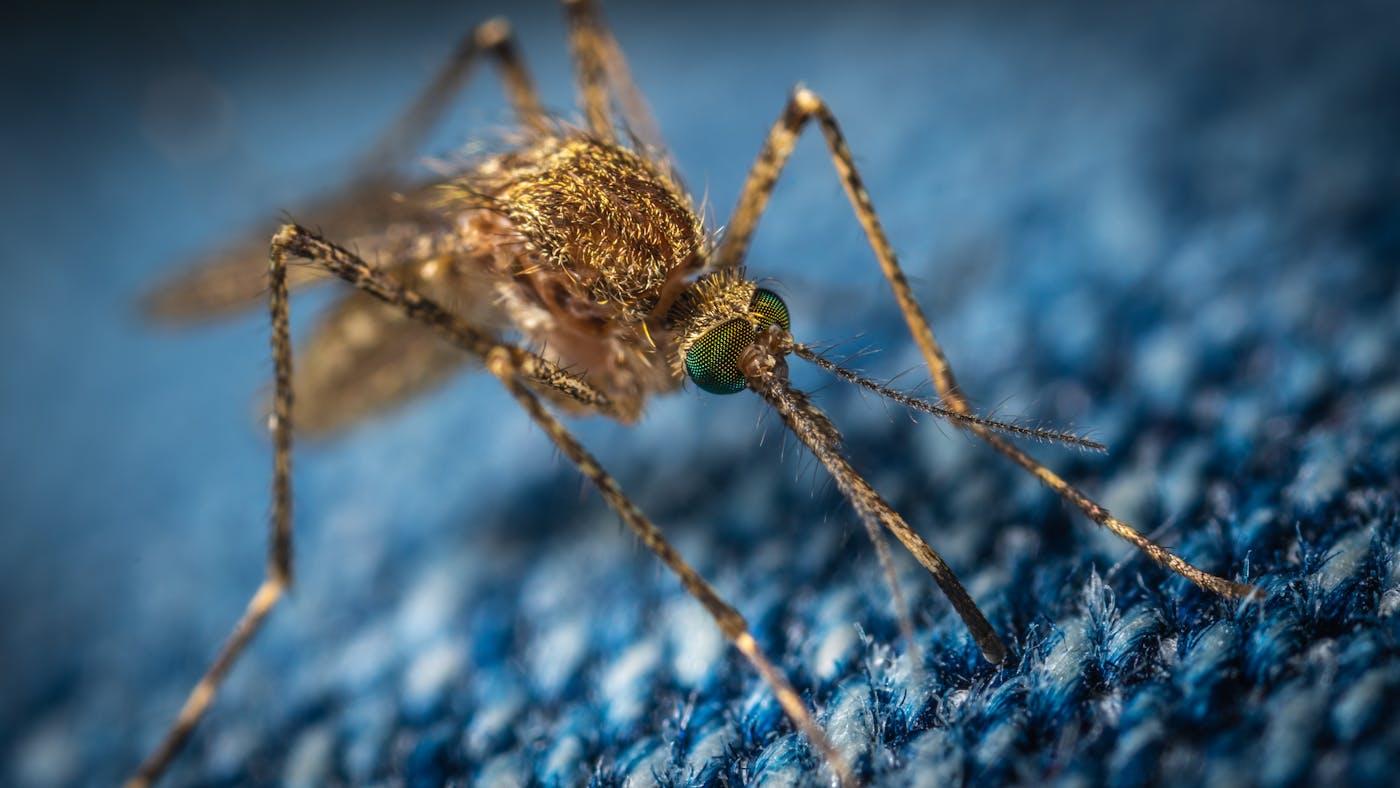
Yes. TravelHealthPro rates all of Uganda, Rwanda and Zambia as high risk year-round, tablets recommended everywhere, Lusaka and Livingstone included. Tanzania is high risk below 1,800 metres, which takes in the Serengeti, the Ngorongoro crater floor and Zanzibar. Kenya is high risk across its parks but very low in Nairobi and the highlands above 2,500 metres. Botswana's northern half, Okavango included, is high risk from October to May and low risk otherwise; Kruger runs a September to May season and drops to very low risk from June to August. There is no travel vaccine for malaria: it is tablets started before you arrive, taken right through the trip and finished after you get home — stopping them early is the commonest way people come unstuck — plus bite avoidance from dusk to dawn.
- Tablets are chosen for your route, health and other medicines at consultation; none is fully effective alone
- Any fever during the trip or in the year after needs a same-day malaria test; say where you have been
Animals
Why do we push the rabies vaccine harder for safaris than for city breaks?
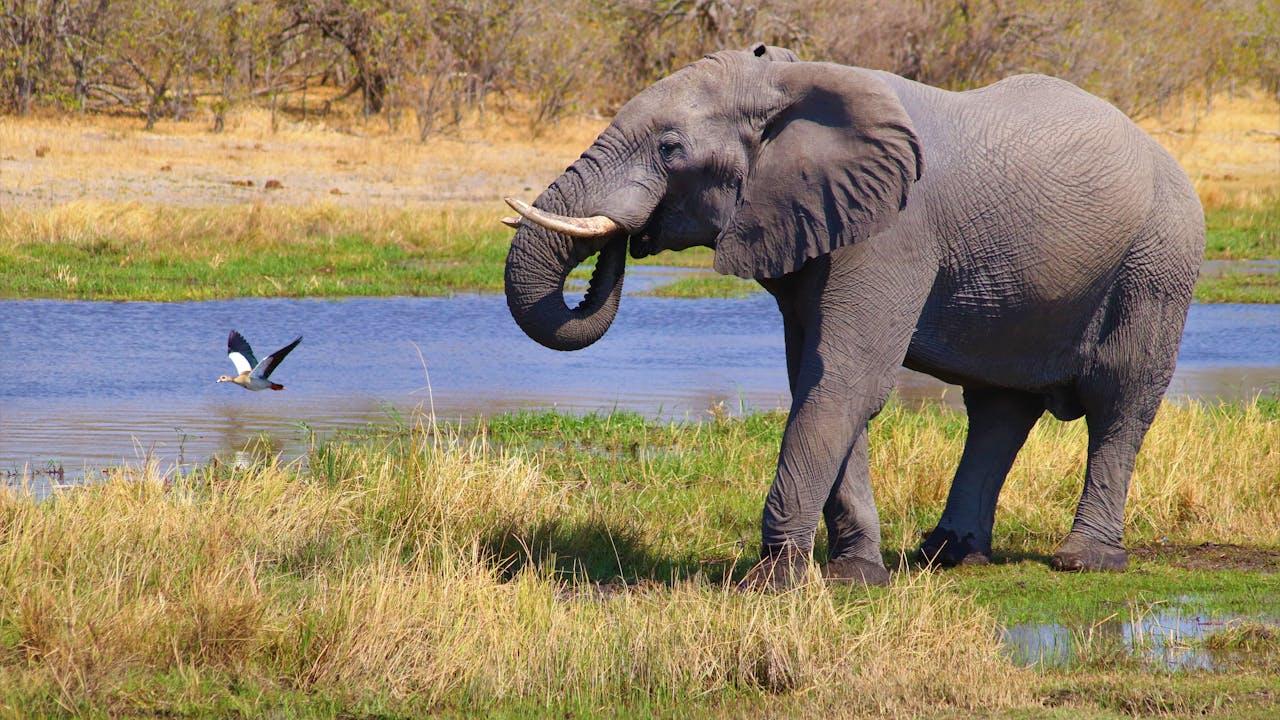
Not because of lions. The risk is the camp dog wandering between staff quarters and guest tents, village dogs on transfer days, bats roosting in thatch and vervet monkeys raiding lodge breakfasts. Dogs are the main source; jackals and other wild carnivores carry it too. What makes a safari different is distance: correct treatment after a bite means wound washing, a vaccine course and, for the unvaccinated, rabies immunoglobulin, which is often unavailable in Africa and may mean a charter flight out. With the pre-exposure course you will not normally need immunoglobulin, only further vaccine doses, which buys time. Once symptoms appear, rabies is almost always fatal.
- Three intramuscular injections over about four weeks, or ask about the faster schedule if your flight is close
- After any bite, scratch or lick on broken skin: soap and running water for several minutes, then medical help the same day, vaccinated or not

Water, flies and ticks
Is it safe to swim in a safari lake or river, and what about tsetse flies?
Schistosomiasis, a parasite that enters through the skin from snail-infested lakes and rivers, is present in every mainland safari country on this page. A swim in Lake Malawi, a paddle in the Zambezi or wading out to a mokoro in the Delta can lead to infection weeks later, often without symptoms. There is no vaccine and nothing to take to prevent it; well-maintained chlorinated pools and the sea are safe. Tsetse flies bite by day in woodland and savannah parks and spread sleeping sickness, which has no vaccine or preventive tablet either; they are drawn to dark blue clothing. Ticks in long grass on walking safaris can pass on African tick bite fever.
- No swimming, paddling or washing in lakes and rivers; towelling dry after an accidental splash is not reliable protection, so tell us about any freshwater contact and ask about screening.
- Khaki or light colours in tsetse country; check your skin each evening after a walk and lift ticks off with fine tweezers
Dust, heat and height
How do I cope with dust, heat and altitude on game drives and gorilla treks?
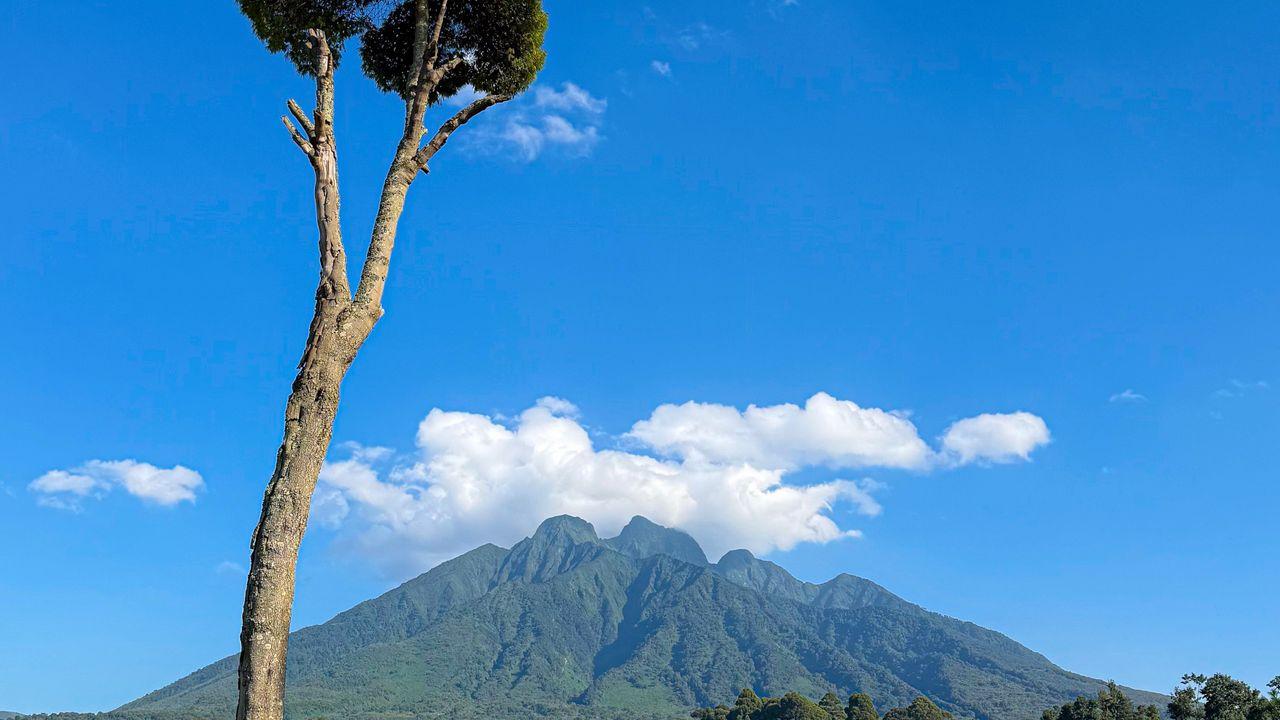
Open vehicles at dawn are cold; by ten you are in full sun with dust pouring through. Pack a buff, sunglasses, a hat and SPF 30 to 50, applied before your repellent. Heat exhaustion creeps up on long midday transfers: headache, dizziness, cramps and clammy skin mean shade, fluids and cooling the skin, while confusion or hot skin without sweating is an emergency. Altitude only matters on the add-ons: gorilla treks in Rwanda's Volcanoes National Park start around 2,500 metres, where altitude sickness can begin, while Uganda's Bwindi sits lower but still means hours of steep, muddy climbing.
- Asthma? Keep your reliever inhaler in the vehicle bag; dust sets many people off
- Climbing quickly? Ask about a prescription altitude-sickness medication and take the first day at height gently
Who is travelling
What changes for older travellers, long-term conditions and children on safari?
Safaris skew towards retired couples and families. Over 60, the yellow fever vaccine needs a proper risk conversation: serious side effects become more likely with age, so TravelHealthPro advises giving it only where the chance of catching yellow fever is significant and unavoidable. That is a precaution, not a ban. Older travellers are also more likely to die from malaria if they catch it, and more likely to take medicines that shape the choice of tablets, so bring your repeat prescription. For children, the yellow fever vaccine can be given from nine months, 50% DEET from two months, and antimalarial doses are worked out by weight at consultation.
- Declare every condition to your insurer and check repatriation is covered; camps are a long way from hospitals
- A weakened immune system, pregnancy or a thymus problem changes the yellow fever decision; tell us before you book

By country
Which safari country guides should I read next?
The one-line safari verdict for each country; the full TravelHealthPro list and outbreak alerts sit in its guide.
Kenya
Vaccine recommended across Kenya from nine months, the Mara, Tsavo and Nakuru included, but not for Nairobi, Mombasa or the coastal counties; tablets everywhere except the capital and high country.
Tanzania
Not a risk country and the vaccine is not generally advised, but a certificate if you cross from Kenya; malaria high risk below 1,800 m, Zanzibar included.
South Africa
Kruger has a September to May malaria season, the Cape none; certificate only after a risk country or a 12-hour-plus transit.
Botswana
Okavango and Chobe high risk October to May, low the rest of the year; certificate after any transit through a risk country.
Zambia
Tablets for the whole country, rabies a serious option for South Luangwa walking, and a long Nairobi layover triggers the certificate.
Uganda
Certificate a condition of entry for everyone aged one or over; malaria high risk nationwide, Bwindi included.
Rwanda
Vaccine not generally advised for Rwanda itself, but arriving from Uganda means showing a certificate; tablets throughout.
FAQ
Safari travel health: your questions answered
Ready to plan a safari from south Manchester?
Bring your itinerary, flight routing and medicine list to Altrincham Travel Clinic at 250 Stockport Road, Timperley, and we will map certificate rules, malaria seasons and vaccines against every camp on the route. Walk in or book a same-day slot.