
Bite avoidance
Outsmart the mosquito: your complete bite-protection guide
Mosquitoes spread malaria, dengue, Zika, chikungunya and more — and not getting bitten is your first line of defence. Here's how they hunt you down, how DEET and repellent bands really work, and the kit we stock to keep them off you.
Why it matters
The world's deadliest animal is smaller than your fingertip
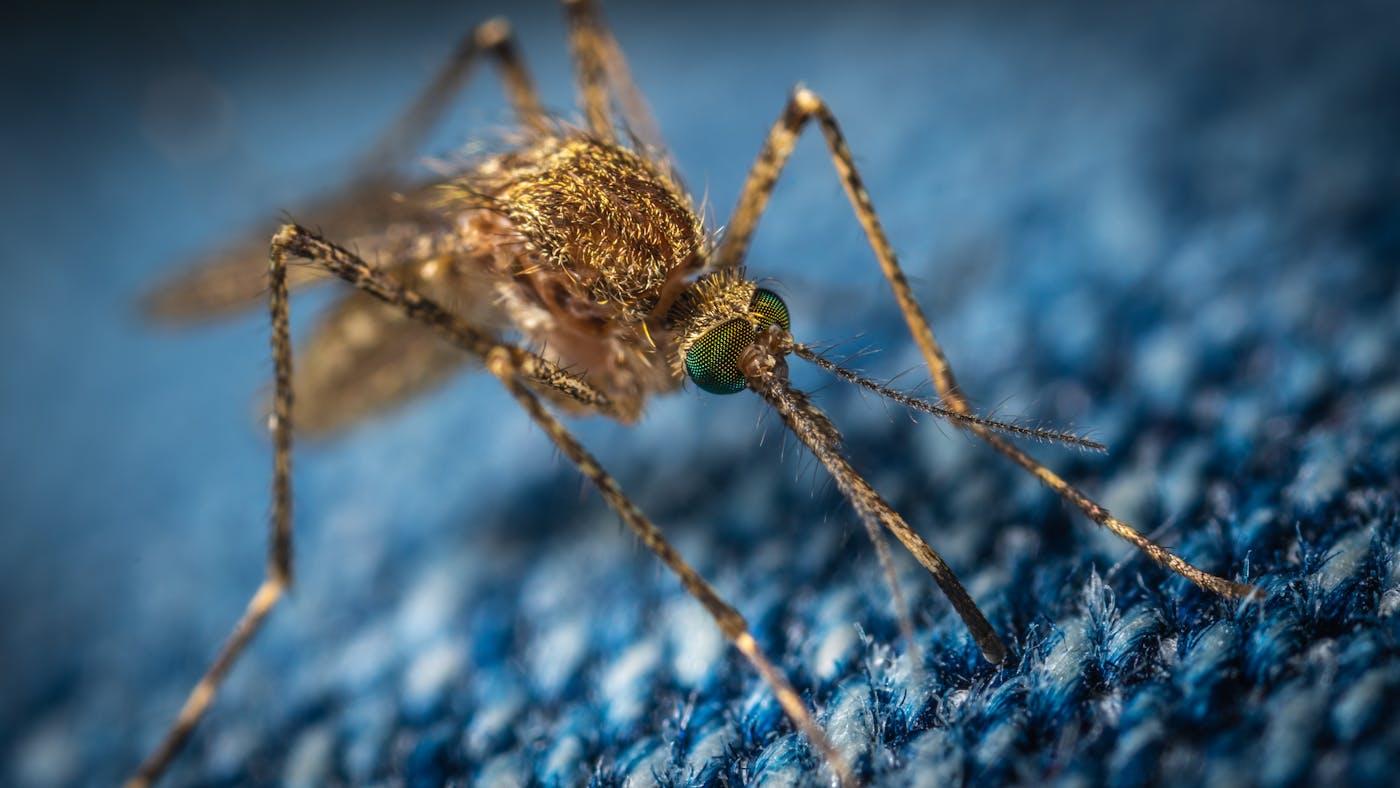
Mosquitoes kill more people every year than any other creature on earth, spreading malaria, dengue, Zika, chikungunya, yellow fever and Japanese encephalitis. For several of these — including dengue and Zika — there is no routine traveller's vaccine, which means avoiding bites isn't just sensible, it's your main protection.
Bite avoidance works hand-in-hand with your travel vaccines and antimalarial tablets. Get it right and you dramatically cut your risk; get it wrong and even the best tablets can be undermined. The good news: a few simple habits and the right products make it easy.
Layer up
The best protection comes in layers
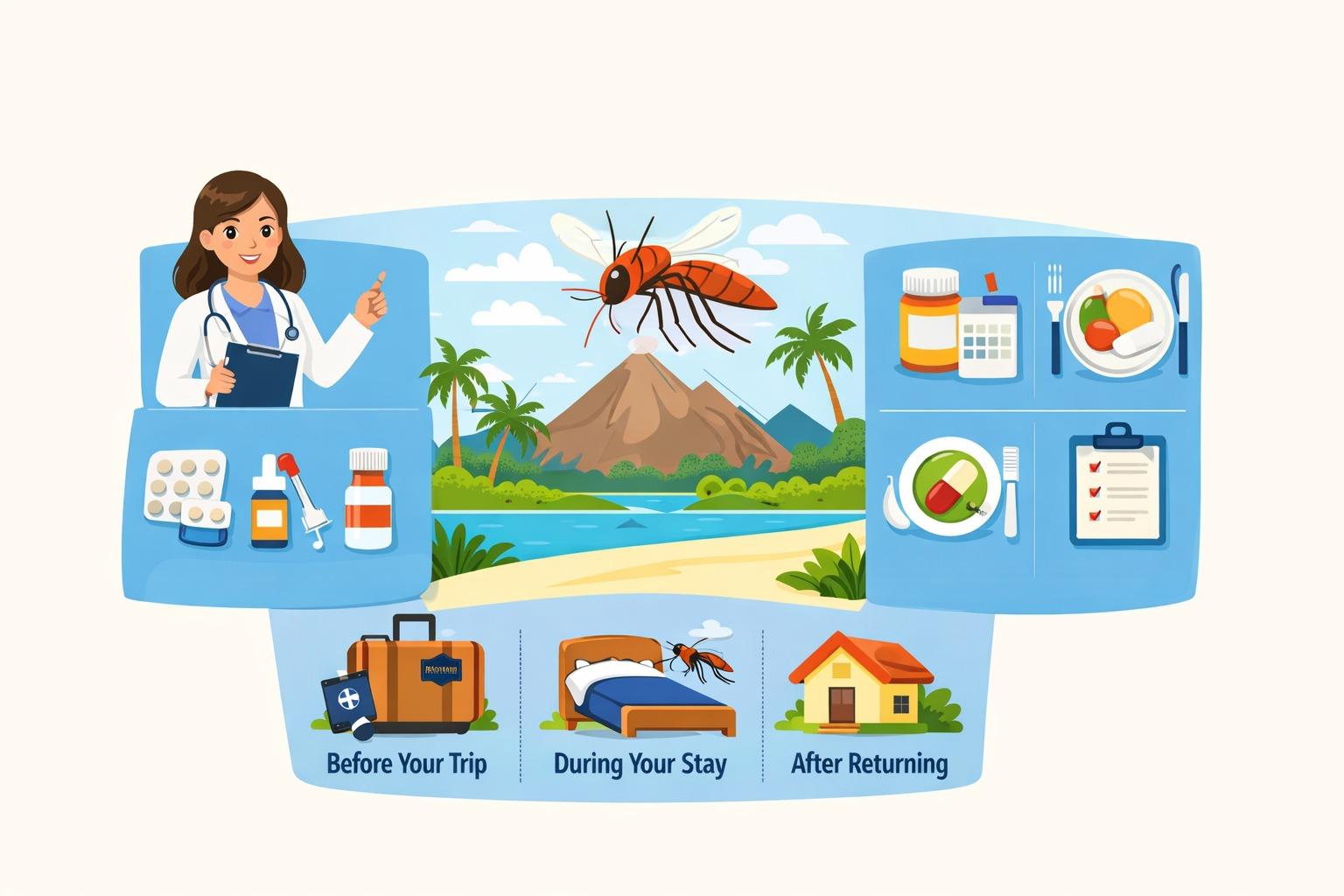
No single product is 100% — so combine them. Cover up with loose, long clothing; apply 40–50% DEET to exposed skin; wear a Parakito band for extra cover; and sleep under an insecticide-treated net or in screened, air-conditioned rooms in higher-risk areas.
We'll tailor all of this to your exact destination at your travel consultation — and sort any antimalarial tablets and vaccines you need at the same time.
Know your enemy
How mosquitoes find you from metres away
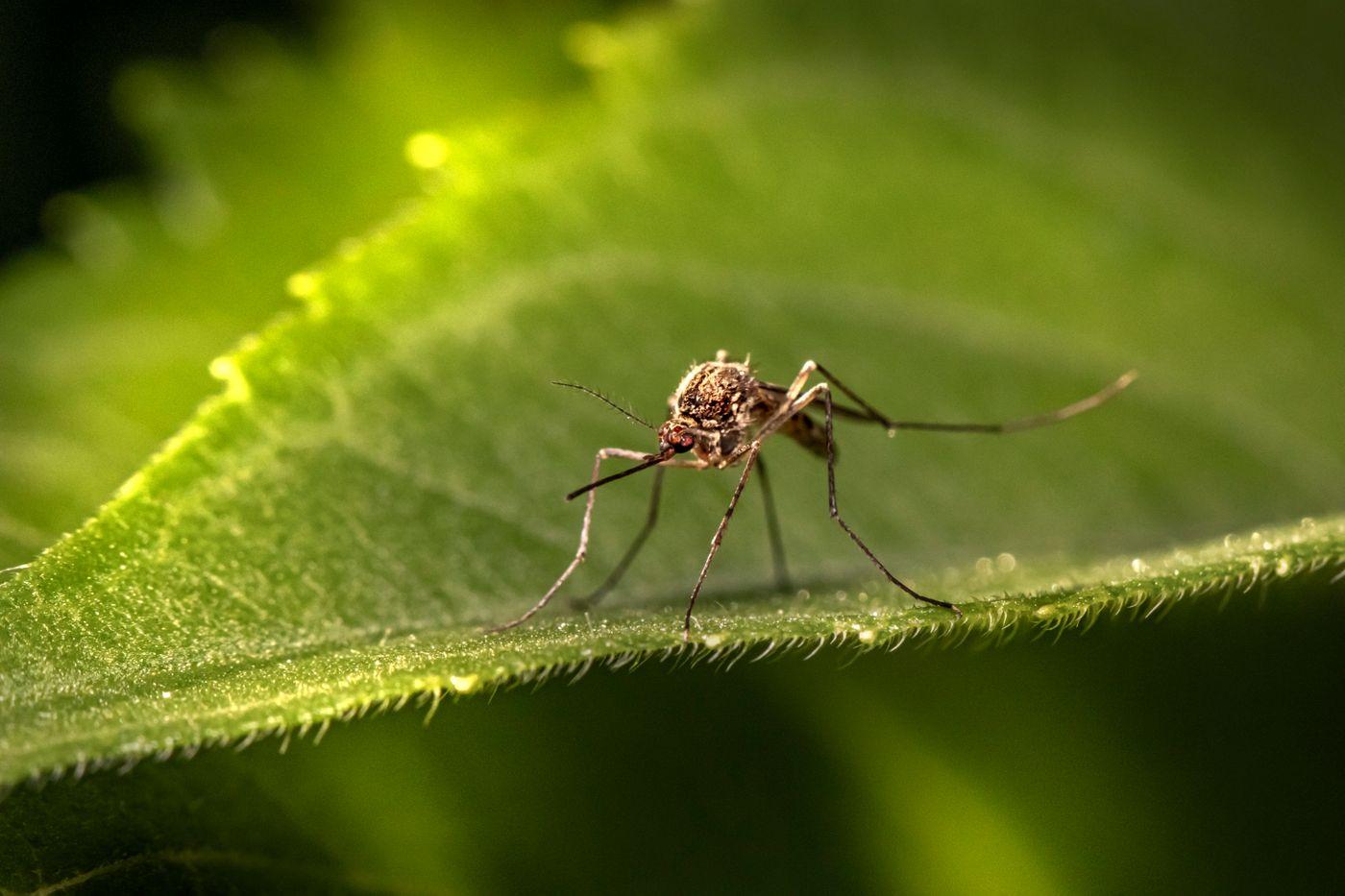
Mosquitoes barely rely on sight — they smell and sense you. Understanding their cues explains why repellents work, and why some people get eaten alive while others are left alone.
- Carbon dioxide from your breath is the first lure — a plume they can pick up from up to around 50 metres away
- Body heat and the moisture around your skin guide them in for the final approach
- Sweat chemistry — lactic acid, ammonia and the odours made by your skin bacteria — makes some people far more attractive than others
- Dark clothing and movement make you easier to lock onto visually up close
- Pregnancy, exercise, and even a beer can genuinely make you more of a target
The gold standard
What is DEET and how does it work?
DEET (di-ethyl-toluamide) is the most studied and most effective insect repellent in the world, recommended by the NHS and TravelHealthPro for travel to malaria and dengue areas.
- DEET doesn't kill mosquitoes — it makes you 'disappear', jamming the receptors they use to detect the CO₂ and sweat cues that lead them to you
- Strength means duration, not power: around 20% DEET protects for a few hours, while 50% lasts longer. Going above 50% adds very little extra time
- We stock 40–50% DEET — the strength recommended for malaria and other high-risk regions
- It's safe and effective when used as directed — including, in lower strengths, for young children and in pregnancy
Do it right
How to apply DEET the right way
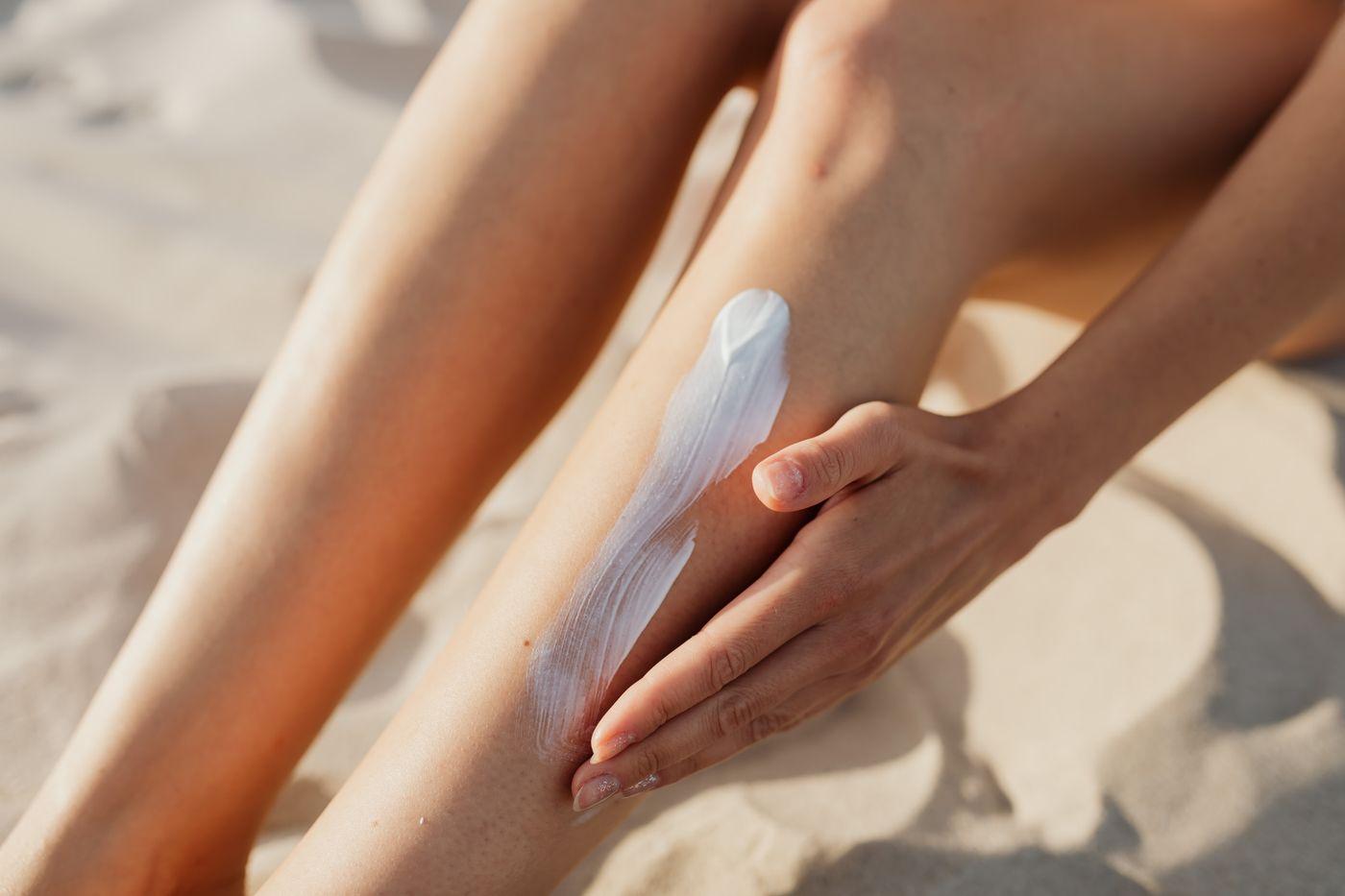
Getting the application right matters as much as the strength — a missed patch of skin is an open invitation.
- Apply an even layer to all exposed skin, not just a quick dab
- Put sunscreen on first, let it absorb, then apply DEET on top
- Reapply as directed on the label — and sooner if you've been sweating or swimming
- Keep it away from eyes, lips and broken skin, and don't spray under clothing
- For children, spray onto your own hands first and smooth it on; follow the age guidance on the product
- Wash it off once you're indoors and protected for the night
Wearable protection
Repellent bands & sprays: where they fit
Not a fan of spraying? Parakito uses a slow-release blend of plant essential oils for DEET-free, wearable protection — a brilliant everyday option that complements DEET in higher-risk areas.
- Parakito bands hold a refillable pellet that slowly releases a blend of plant essential oils — no DEET, no spraying, just wear it
- Water-resistant and refillable, they're popular for children, gardens, festivals, BBQs and shorter, lower-risk trips
- Parakito roll-ons and sprays give targeted, DEET-free cover when you want a gentler option or have sensitive skin
- Important: in malaria, dengue or Zika areas, bands are a helpful extra layer — not a replacement for 40–50% DEET on exposed skin

In the clinic
What we stock at Altrincham Travel Clinic
Pick these up at your appointment or pop in — our team will help you choose the right combination for your trip.
Parakito Mosquito Bands
Refillable, water-resistant wristbands with slow-release plant essential-oil pellets. DEET-free and brilliant for children and everyday wear — no spraying needed.
Parakito Sprays & Roll-ons
DEET-free, plant-based repellent for targeted protection. A gentler option that's handy for sensitive skin and shorter, lower-risk trips.
40–50% DEET Spray
The strength recommended for malaria and high-risk regions, giving long-lasting cover on exposed skin. Our go-to for serious bite avoidance.
FAQ
Mosquito repellent FAQs
Travelling somewhere with mosquitoes?
Book a travel health consultation and we'll cover your vaccines, antimalarial tablets and the right bite-protection kit for your trip — DEET, Parakito bands and sprays all available in clinic.