
Destination guide
Travel vaccines for India
Whether it's the Golden Triangle, Goa, Kerala or visiting family, here's what UK travellers are usually advised before visiting India — confirmed for you at a quick consultation.
Overview
What vaccinations do I need for India?
India is really several destinations in one, and the advice tends to follow the geography. Across the Gangetic plains and through the monsoon, it's the food-and-water essentials — Hepatitis A and Typhoid — that lead; the rural, rice-growing north-east is where Japanese Encephalitis comes into the picture for longer stays; the Himalaya and Ladakh are more about altitude than mosquitoes; and the big cities pair a dense street-food scene with poor air quality. Tell us your route and we'll tailor the list to it.
For most travellers to India, UK travel-health advice recommends vaccinations against Hepatitis A and Typhoid, plus a combined Tetanus, Diphtheria and Polio booster if you're not up to date. Depending on your plans, Hepatitis B, Rabies, Japanese Encephalitis, Cholera and Chikungunya may also be advised. Antimalarial tablets are recommended for many routes, and although there's no yellow fever in India, a Yellow Fever certificate is required if you're arriving from or via a yellow-fever-risk country.
This list is a general guide based on UK travel-health advice from TravelHealthPro (UKHSA/NaTHNaC). Whether you're heading for the Golden Triangle, Goa, Kerala or visiting family, we'll confirm exactly what you need — and whether malaria tablets suit your route — at a short consultation.
Plan ahead
Book 4–6 weeks before you fly
Some vaccines need more than one dose or time to work, so aim to come in 4–6 weeks before departure. Travelling sooner — or visiting family at short notice? Come in anyway; there's almost always something we can do.
Recommended vaccinations
Vaccines commonly advised for India
Grouped by how often they're recommended. Your personal list is confirmed at consultation. Vaccine guidance is based on public health information from TravelHealthPro (UKHSA/NaTHNaC).
Hepatitis A
Most travellers
Spread through contaminated food and water — advised for nearly all trips to India.
Typhoid
Most travellers
Recommended for most travellers — typhoid is relatively common in India.
Tetanus, Diphtheria & Polio
Most travellers
A combined booster is recommended if you're not up to date.
Hepatitis B
Some travellers
Advised for longer stays, healthcare work, or possible medical/dental treatment.
Rabies
Some travellers
Often advised — rabies is widespread in India and dog bites are common.
Japanese Encephalitis
Some travellers
For longer stays in rural/farming areas, especially during and after the monsoon.
Cholera
Some travellers
Considered for higher-risk trips, relief work, or where sanitation is poor.
Chikungunya
Some travellers
Mosquito-borne illness with regular outbreaks in India, carried by daytime-biting Aedes mosquitoes. A vaccine may be considered for some travellers alongside strict bite avoidance.
Dengue
Some travellers
Dengue occurs in India. The dengue vaccine may be considered for travellers aged 4 and over who have had a previous, laboratory-confirmed dengue infection — bite avoidance remains essential for everyone.
Measles (MMR)
Some travellers
Make sure you have had two documented doses of MMR, as measles still circulates in many regions.
Tuberculosis
Some travellers
BCG is usually only relevant for longer stays or close community contact, typically younger travellers who have not had it before.
Entry rules — separate from your jabs
Yellow fever certificate: what India requires
A yellow fever certificate requirement is a legal condition of entry — it is not the same thing as the vaccine being recommended for your health. The recommendation (when there is one) appears in the vaccine list above; the entry rule is below.
Flying direct from the UK? No yellow fever certificate needed for India
India only asks for a certificate (ICVP) from travellers aged 9 months+ who arrive from — or pass through — a country with yellow fever risk, and any airport layover in a risk country counts, however short. That catches out multi-country itineraries, so check your whole route, not just your destination.
There is no yellow fever transmission risk in India itself — this rule exists purely to stop the virus being carried in from elsewhere.
Certificate rule
The Yellow Fever certificate rule for India
There is no yellow fever in India, so you don't need the vaccine to protect your health there. However, India requires a valid Yellow Fever vaccination certificate if you're arriving from — or have recently passed through — a country with a risk of yellow fever (much of sub-Saharan Africa and tropical South America). If that applies to your trip, you'll need the certificate to enter.
- Coming straight from the UK? No yellow fever certificate is needed
- Travelling via or from Africa/South America? You may need the certificate
- We're a registered Yellow Fever Vaccination Centre and issue the official certificate

Malaria & mosquitoes
Malaria and dengue in India
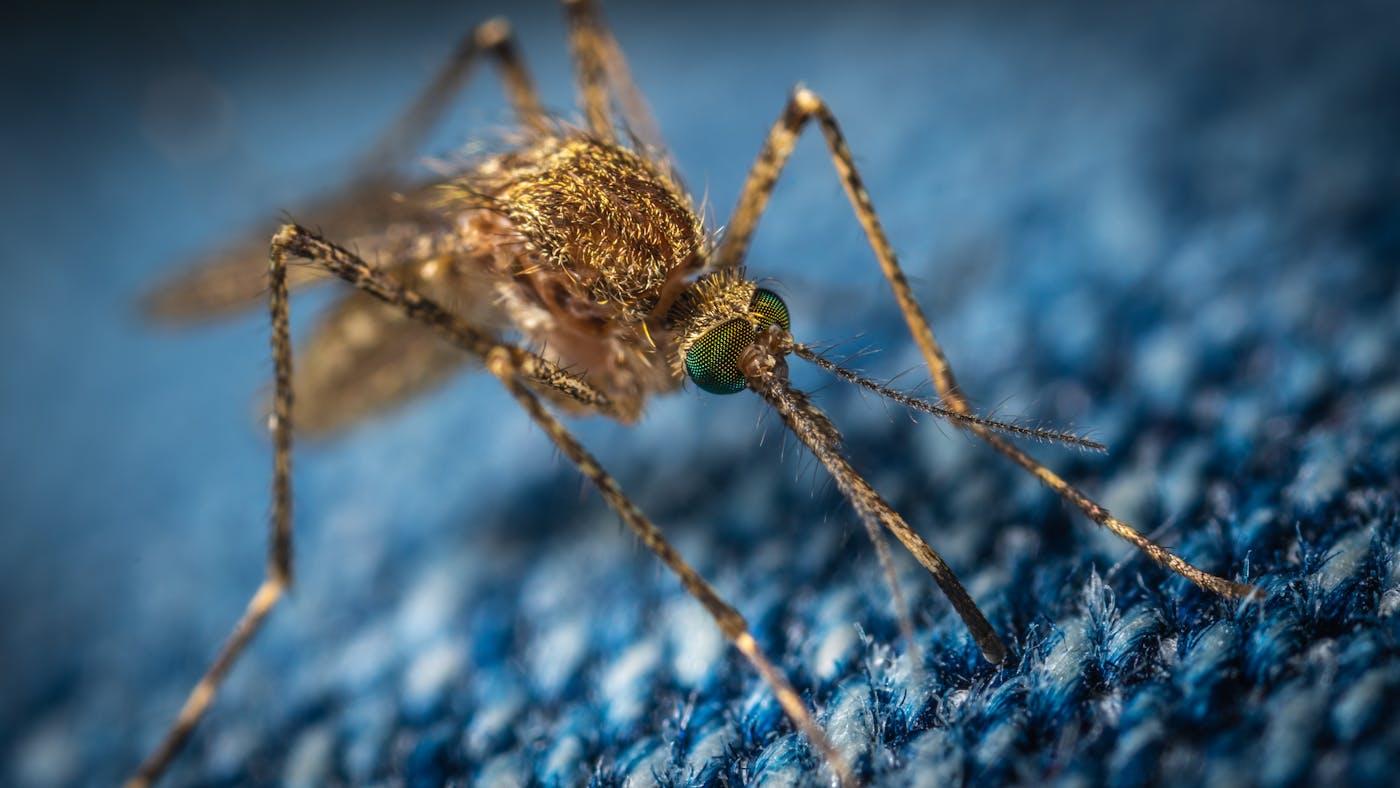
Malaria risk is present in many parts of India and varies by region and season, so antimalarial tablets are recommended for a lot of itineraries. Dengue also occurs widely, so mosquito-bite protection is important everywhere.
- We'll advise the right antimalarial tablets for your specific route
- Use repellent, cover up at dawn and dusk, and use nets where needed
FAQ
India travel vaccines — FAQs
Getting ready for India?
Book a quick consultation at our Timperley clinic near Manchester and we'll sort your vaccinations, certificate and malaria advice for your trip.