
Dengue After You Get Home: Symptoms and Warning Signs
Medically reviewed by Muhammad Adnan, Superintendent Pharmacist (GPhC reg. 2073652) · Reviewed 2026-06-14
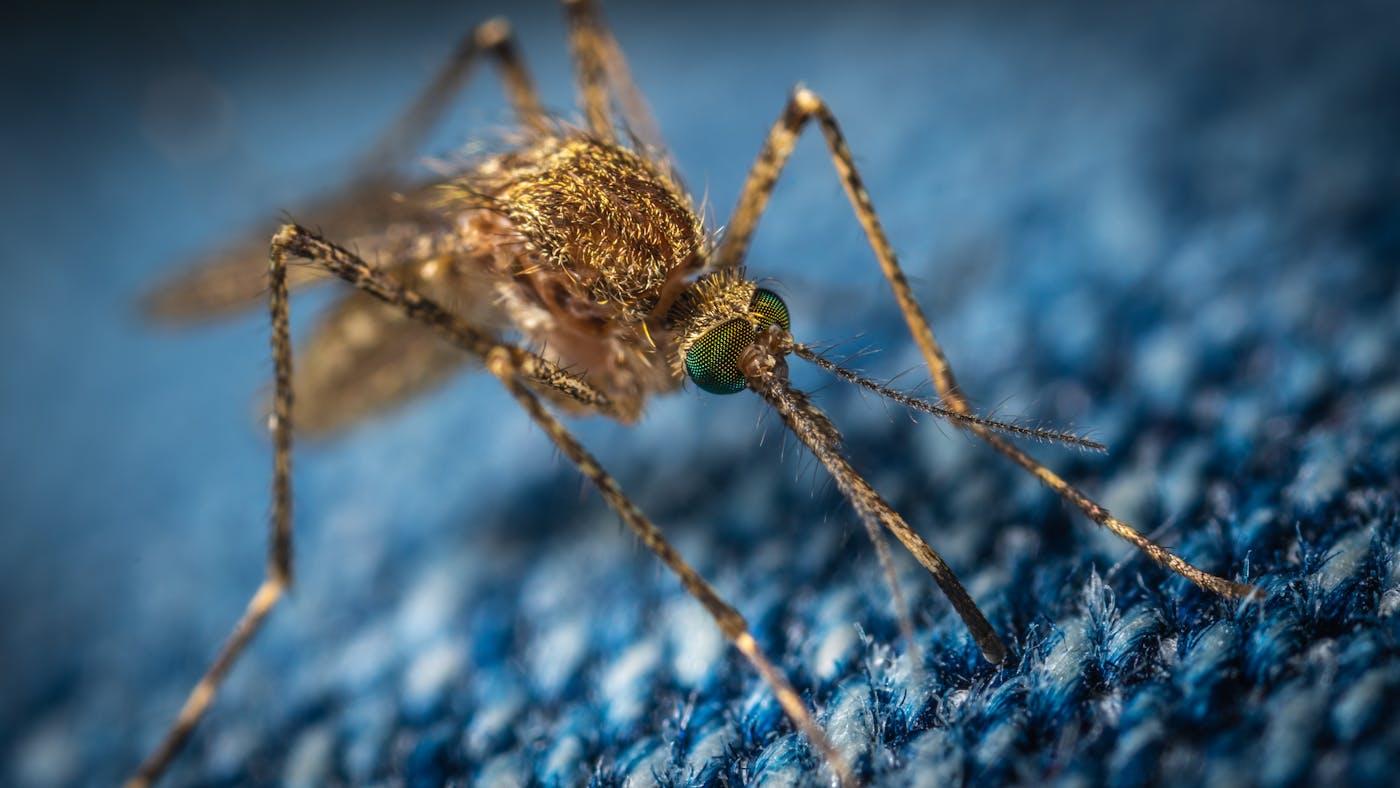
If you have landed back in Manchester with a sudden high temperature, a pounding headache and aching that seems to reach into your bones, dengue is one of the things a clinician will think of — and so is malaria, which is why a fever after tropical travel is a same-day phone call rather than a wait-and-see week.
Most dengue advice is written for people still packing. This is for the other half of the trip.
What does dengue feel like, and when would symptoms start?
It rarely creeps up on you. The NHS says symptoms usually begin 4 to 10 days after an infected mosquito bite, and TravelHealthPro puts the incubation at five to eight days. An illness that starts on the flight home, or in your first days back in Trafford, fits that pattern.
What travellers describe:
- A temperature that climbs fast, often towards 40°C
- A severe headache, with a distinctive ache behind the eyes
- Deep muscle and joint pain — hence the old nickname "breakbone fever"
- Feeling or being sick, tummy pain and no appetite
- Swollen glands
- A blotchy rash, often around the third or fourth day
TravelHealthPro describes recovery as usually rapid, three to four days after that rash appears. A mild tiredness that keeps easing off can linger past the fever. Extreme tiredness, drowsiness or a restlessness you cannot settle is a different thing entirely — it is on the emergency list below, and it needs looking at the same day.
Why is the day your fever breaks the one to watch?
Because severe dengue, though uncommon, tends to declare itself just as you think you are turning a corner. The NHS puts it plainly: your temperature may start returning to normal, and more serious symptoms may follow a few days after you first felt ill. TravelHealthPro lists the warning signs clinicians watch for: easy bruising, bleeding from the gums or eyes, severe tummy pain, and signs that fluid is leaking from the blood vessels.
So read a dengue-shaped illness this way — the fever settling is not the finish line. Call 999 or go to your nearest A&E if any of these appear:
- Severe tummy pain
- Being sick again and again, or blood in your vomit or in your poo
- Bleeding gums or nosebleeds, or bruising very easily
- Fast breathing
- Extreme tiredness, drowsiness, or a restlessness you cannot settle
Do not sit on these overnight. Severe dengue responds to good hospital care, and the outcome rests on getting there early.
What can you take for dengue, and what should you avoid?
Rest, fluids and paracetamol. No medicine clears the virus, so care is about getting you comfortably through it.
The painkiller is the part that catches people out. NHS advice is not to take anti-inflammatory painkillers such as ibuprofen or aspirin, because they can cause bleeding problems if you have dengue — and ibuprofen is exactly what most of us reach for with a high fever and savage joint pain. Paracetamol is the one to use. If you already take a daily medicine, including low-dose aspirin, do not stop it on your own; ring your GP or 111 and ask.
Fluids matter more than people expect, because fever, vomiting and heat compound one another. Sip steadily, and pack oral rehydration sachets next time.
Who should you see after coming home to Manchester with a fever?
Warning signs mean 999 or A&E. For anything milder the NHS route is an urgent GP appointment or NHS 111 — and the trick is to lead with your travel history rather than waiting to be asked.
Have two things ready when you ring:
- The countries and the dates you were there
- Whether you took antimalarial tablets, and whether you finished the course
That second point is why a post-travel fever is urgent rather than routine. Malaria symptoms usually show 7 to 18 days after a bite, but the NHS says they can appear months later — and advises urgent help for symptoms within 12 months of visiting a malaria country. Dengue and malaria overlap enough early on that nobody should be guessing between them at home.
To be clear about our limits: we are a travel clinic on Stockport Road, not an urgent care service, and we do not diagnose or test for dengue. What we can do is review what you were exposed to and what protection you had, which shapes the next trip.
Can you catch dengue without leaving Europe?
Yes, and this is newer than most people assume. Alongside the tropics, the NHS lists a risk at certain times of year, spring to autumn, in parts of southern Europe — Croatia, France, Italy, Spain and Madeira. TravelHealthPro describes dengue as an emerging disease outside tropical areas, with locally acquired cases in those same countries.
The practical version for a family heading to the Med in August: mention the trip anyway if you come back unwell. A European holiday is easy to write off as a bug going round.
Why can a second bout of dengue be worse?
There is more than one type of the dengue virus, and getting over one does not make you immune to the others. TravelHealthPro is clear that people infected a second time are at greater risk of severe illness, and that a later infection with a different serotype may be more severe. It is the opposite of the reassurance we usually expect from having had something once.
So a confirmed infection abroad changes the maths for your next trip rather than settling it. Bring any discharge letter or lab result you were given.
There is also a dengue vaccine licensed in the UK. Current national advice is that it is for people aged 4 and over who have had dengue before and are travelling to a risk area. If you have never had dengue it is not routinely advised, and TravelHealthPro says it can only exceptionally be considered, with further expert advice. Rather than repeat the detail here, the schedule, ages and suitability sit on our dengue vaccine page, and we confirm what is right for you at your appointment.
How do you avoid the daytime mosquito next time?
The mosquito behind dengue is an Aedes, and it feeds mainly in daylight. TravelHealthPro notes the risk is higher in the two to three hours after dawn and during the early evening — a different habit from the malaria mosquito, which the NHS describes as most active in the evening. So the repellent in your day bag matters just as much as the net over the bed; TravelHealthPro adds that Aedes can still bite at night in well-lit rooms.
- Apply repellent to all exposed skin in the morning, and top it up through the day
- Cover arms and legs around breakfast and again in the early evening
- Choose air-conditioned or properly screened rooms where you can
- Still sleep under an insecticide-treated net unless your room is properly screened or air-conditioned — essential anywhere malaria is also a risk
- Tip out standing water — buckets, plant saucers, pool covers — near where you stay
- Remember Aedes mosquitoes also spread other infections, including chikungunya
Repellents and strengths are covered on our mosquito bite protection guide.
Frequently asked questions
How long after getting home could dengue still appear?
Symptoms usually begin 4 to 10 days after the bite, so an illness starting more than a couple of weeks after you land is unlikely to be dengue. Malaria keeps its window open far longer, and the NHS advises urgent help for symptoms within 12 months of a malaria-risk trip.
Can I pass dengue on to my family at home?
No. Dengue spreads through mosquito bites, not from person to person, so there is no need to isolate from the people you live with in Timperley or Altrincham.
I had dengue years ago on a gap year. Am I protected now?
Not against the other types of the virus, and a second infection carries a greater risk of severe illness. A confirmed previous episode is also the main thing that opens the door to vaccination, so raise it at a travel health consultation.
Should I get tested to see whether I have had dengue before?
We do not offer dengue blood testing at the pharmacy. If a previous infection is likely and would change a vaccine decision, that is something to work through at a consultation — and a written diagnosis from abroad beats a memory of some fever in Bali.
Heading somewhere with dengue risk, or back from one and already planning the next trip? Book a travel consultation online or ring us on 0161 948 5066. We are at 250 Stockport Road in Timperley, two Metrolink stops from Altrincham, open Monday to Saturday 9am to 9pm and Sunday 9am to 6pm, with walk-ins welcome.
Sources: NHS — Dengue · TravelHealthPro — Dengue factsheet · TravelHealthPro — UK dengue vaccine guidance (JCVI advice). TravelHealthPro material contains public sector information licensed under the Open Government Licence v3.0.
Planning this trip?
Book a travel health appointment in Timperley, or see our full travel-vaccine price list.