
Destination guide
Travel vaccines for Honduras
From diving off Roatán to the Maya ruins at Copán, here is what UK travellers should sort before they fly.
Overview
What vaccinations do I need for Honduras?
For most trips to Honduras, hepatitis A, tetanus and typhoid are the core vaccinations to have up to date. Depending on where you are going, how long you are staying and what you plan to do, rabies, dengue and chikungunya vaccines may also be worth discussing.
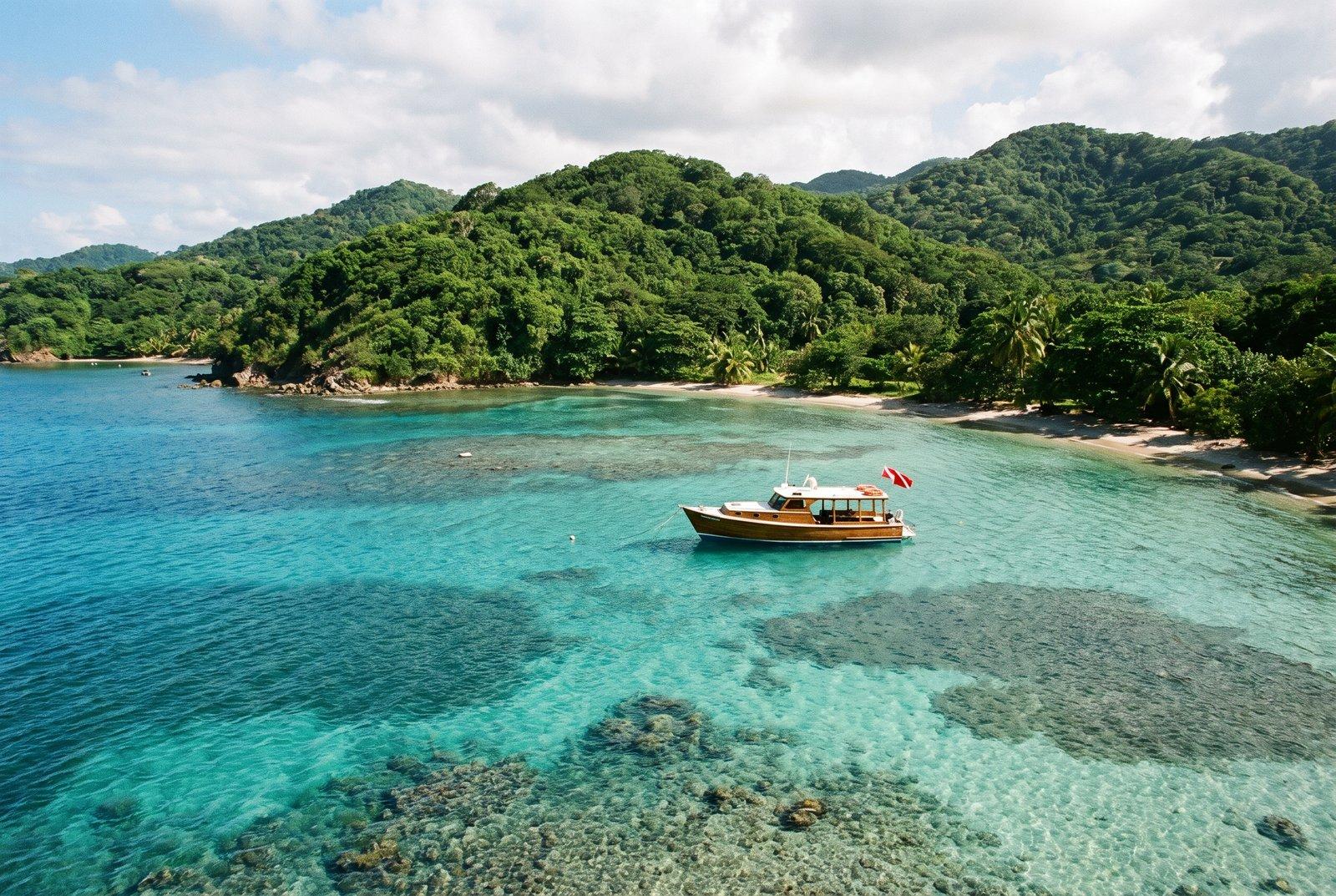
Whether you are scuba diving on Roatán, exploring the Copán ruins in the west, or heading through the lowlands, your exact needs depend on your itinerary. Bring your travel plans to a short consultation and we will tailor everything to you, then get you protected in good time.
Plan ahead
Book 4–6 weeks before you fly
Some vaccines, such as rabies, are given as a course over several weeks, so the earlier you come in the better. If your trip is sooner than that, still get in touch, as there is usually something useful we can do right up to departure.
Recommended vaccinations
Vaccines commonly advised for Honduras
These recommendations follow TravelHealthPro (UKHSA/NaTHNaC) guidance and are confirmed at your consultation.
Hepatitis A
Most travellers
Spread through contaminated food and water, so it is sensible for almost anyone eating and drinking beyond the resort.
Tetanus
Most travellers
Worth checking you are within ten years of your last dose, especially if diving, hiking or exploring ruins where cuts and grazes happen.
Typhoid
Most travellers
Advised where food and water hygiene may be variable, particularly for longer stays or visits to smaller towns and rural areas.
Chikungunya
Some travellers
Considered for some travellers given the risk from daytime-biting mosquitoes; we will assess your age, health and itinerary first.
Dengue
Some travellers
Dengue circulates in Honduras, and the vaccine may suit some travellers, usually those with a previous confirmed infection.
Rabies
Some travellers
Worth considering for longer stays, remote travel, or activity near animals where prompt medical care could be hours away.
Entry rules — separate from your jabs
Yellow fever certificate: what Honduras requires
A yellow fever certificate requirement is a legal condition of entry — it is not the same thing as the vaccine being recommended for your health. The recommendation (when there is one) appears in the vaccine list above; the entry rule is below.
Flying direct from the UK? No yellow fever certificate needed for Honduras
Honduras only asks for a certificate (ICVP) from travellers aged 1 year and ≤ 50 years+ who arrive from — or pass through — a country with yellow fever risk, and airport layovers over 12 hours in a risk country count. That catches out multi-country itineraries, so check your whole route, not just your destination.
There is no yellow fever transmission risk in Honduras itself — this rule exists purely to stop the virus being carried in from elsewhere.
Malaria & mosquitoes
Malaria and mosquito-borne illness in Honduras
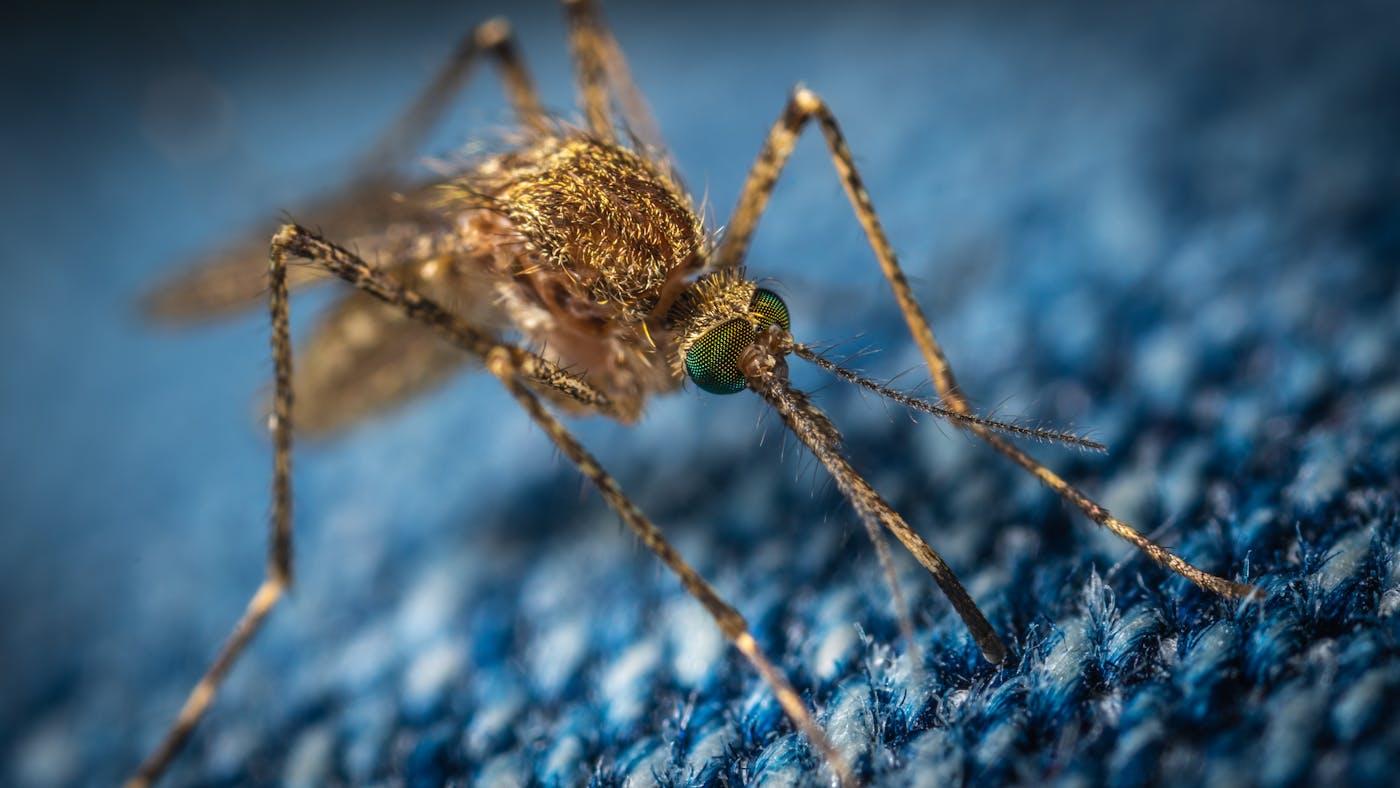
Antimalarial tablets are not generally recommended for travel to Honduras, but bite avoidance still matters wherever mosquitoes are present. Dengue and chikungunya are spread by daytime-biting mosquitoes, so protecting yourself through the day and evening is the mainstay of prevention. We will review your specific route, as risk varies by area and season.
- Use a DEET-based repellent on exposed skin, day and night
- Cover up with loose, long clothing where you can
- Sleep in screened or air-conditioned rooms, or under a net
FAQ
Honduras travel vaccines — FAQs
Getting ready for Honduras?
Book a friendly consultation at our Timperley clinic and we will tailor your vaccines to your itinerary, from Roatán to Copán and beyond.