
Destination Guide
Argentina Travel Vaccinations
From Buenos Aires steakhouses to Patagonian glaciers, most of Argentina is straightforward for UK travellers. The picture changes in the subtropical north-east, so your itinerary decides your jabs.
The short answer
What vaccinations do I need for Argentina?
Argentina is really a north-versus-south country when it comes to travel health: the temperate south and centre — Buenos Aires, the Andes and Patagonia — carry essentially no tropical disease and mainly ask you to respect altitude on the Andean routes, while the subtropical north-east around Iguazu is where yellow fever and dengue come into the picture. For most UK travellers, Argentina asks very little of you. Hepatitis A is recommended for the majority of visitors, and it's worth checking your routine tetanus, diphtheria and polio booster is in date. That covers a typical trip taking in Buenos Aires, Mendoza's wine country or trekking in Patagonia. Yellow fever is the exception rather than the rule: it only comes into play for the far north-east of the country, which matters if Iguazu Falls is on your list.
Depending on where you go and how you travel, some people also benefit from typhoid, rabies, dengue or chikungunya protection. These recommendations are general guidance based on TravelHealthPro (the UKHSA and NaTHNaC resource for travel health), and the right combination for you depends on your route, your health and how long you're away. A short consultation with our pharmacist confirms exactly what you need, and just as importantly, what you can skip.
Timing
When should you book?
Ideally, come and see us four to six weeks before you fly. Some vaccines need time to take effect, and a couple of the "some travellers" options involve more than one dose, so a bit of lead time keeps everything unhurried.
Flying sooner than that? Don't write it off. Several vaccines still offer worthwhile protection even when given close to departure, and a quick consultation will tell you honestly what's still worth doing and what isn't.
TravelHealthPro guidance
Recommended vaccines for Argentina
These are the vaccines TravelHealthPro currently lists for Argentina. "Most travellers" means it's advised for the majority of UK visitors; "some travellers" depends on your itinerary, activities and health, which we confirm at your consultation.
Hepatitis A
Most travellers
Spread through contaminated food and water, so it's sensible cover even for a city trip built around Argentina's famous food scene.
Tetanus, Diphtheria & Polio
Most travellers
Given as one combined booster in the UK; check yours is in date before hiking, horse riding or cycling in rural Argentina.
Chikungunya
Some travellers
A mosquito-borne virus reported in northern Argentina; vaccination is only considered for certain travellers after an individual risk assessment.
Dengue
Some travellers
Dengue occurs in the warmer northern provinces, including around Iguazu, and the vaccine suits only specific travellers, so eligibility is checked in person.
Rabies
Some travellers
Worth considering for longer trips, remote travel or anyone likely to be around dogs, bats and other animals far from prompt medical care.
Typhoid
Some travellers
Recommended for some visitors, particularly those eating away from tourist areas, staying with family or travelling for longer periods.
Yellow fever
Some travellers
Only relevant for the far north-eastern subtropical corner, including the Iguazu Falls area; as a registered Yellow Fever centre we can vaccinate and issue certificates where appropriate.
Entry rules — separate from your jabs
Yellow fever certificate: what Argentina requires
A yellow fever certificate requirement is a legal condition of entry — it is not the same thing as the vaccine being recommended for your health. The recommendation (when there is one) appears in the vaccine list above; the entry rule is below.
No yellow fever certificate is required to enter Argentina
Argentina does not ask arriving travellers for a yellow fever certificate, whatever your route.
Separately, yellow fever transmission does occur in parts of Argentina — so the vaccine itself may be advised for your health; see the vaccine list above and we'll confirm at your consultation.
The Iguazu question
Yellow fever: only if the north-east is on your route
Here's where Argentina catches people out. The vast majority of the country, including Buenos Aires, the Lake District around Bariloche and all of Patagonia, carries no yellow fever risk at all. The recommendation applies only to the far north-eastern subtropical strip, and the reason most UK travellers encounter it is Iguazu Falls. If the falls are on your itinerary, or you're crossing into Brazil or Paraguay while you're there, yellow fever needs a proper conversation. Some neighbouring countries also have certificate entry rules, so it pays to think one border ahead.
- No yellow fever risk in Buenos Aires, Mendoza or Patagonia
- Recommended for the far north-east, where Iguazu Falls sits
- Crossing into Brazil or Paraguay can bring certificate requirements into play
- We're a registered Yellow Fever centre and can advise and certificate at the same visit
Malaria & mosquitoes
Good news on malaria, but don't ignore the mosquitoes
Antimalarial tablets are not generally recommended for Argentina, which is a genuine relief compared with many South American itineraries. That doesn't make mosquitoes irrelevant, though. In the warmer north they can carry dengue and chikungunya, for which bite avoidance is your main defence. Patagonia's wind and cold do most of the work for you down south; up around Iguazu and the northern provinces, you'll need to do it yourself.
- Malaria tablets are not generally recommended for Argentina
- Dengue and chikungunya are spread by day-biting mosquitoes in the north
- Use a good repellent, cover up at dawn and dusk, and choose screened or air-conditioned rooms
- Bite avoidance matters most around Iguazu and the subtropical north-east
Route & activities
Patagonia, the Andes and the long way round
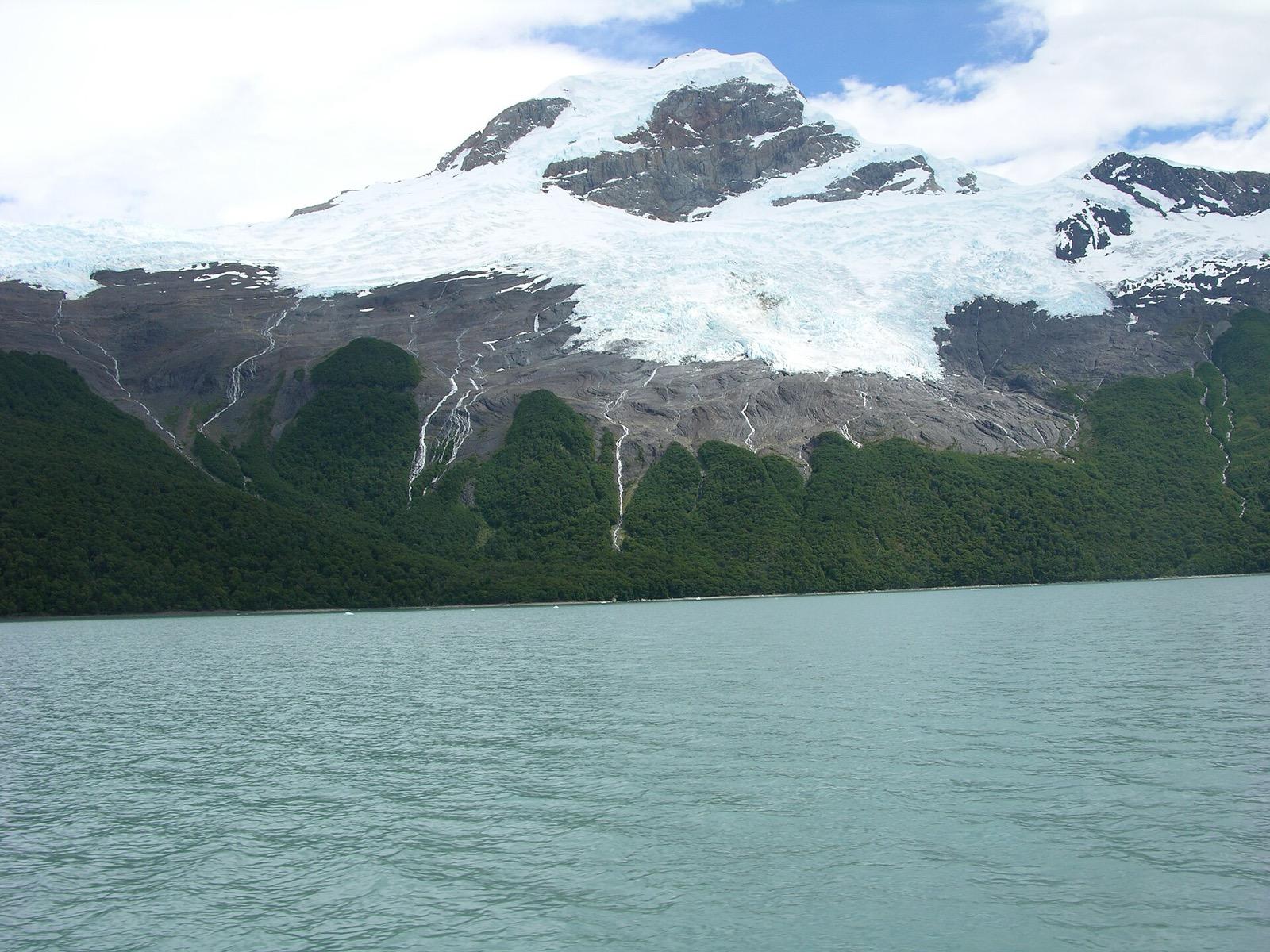
Argentina is enormous, and your plans change the advice. Trekkers heading for El Chaltén or the Perito Moreno glacier are often days from a major hospital, which strengthens the case for rabies protection and an in-date tetanus booster. In the Andean north-west, places like the Salta region sit at genuine altitude, so building in gradual ascent and rest days is sensible general advice. And long overland routes on buses through rural provinces tend to mean more local food stops, which is exactly where hepatitis A and typhoid cover earn their keep.
- Remote trekking strengthens the case for rabies and tetanus cover
- High-altitude stops in the north-west deserve a slower ascent and realistic itinerary
- Long overland travel and rural food stops raise the value of hepatitis A and typhoid protection
- Tell us your full route at consultation; the detail genuinely changes the advice
FAQ
Argentina travel health: your questions answered
Ready to sort your Argentina jabs?
Our pharmacist-led travel clinic in Timperley is easy to reach from across Altrincham, Trafford and South Manchester, and appointments include a personalised risk assessment based on your exact route. Recommendations on this page are general guidance from TravelHealthPro (UKHSA/NaTHNaC); we'll confirm what applies to you at a short consultation.