
Destination guide
Travel vaccines for Mauritius
Good news for honeymooners and resort travellers: Mauritius is mostly routine. A few vaccines are worth checking, and there's no malaria to worry about.
Overview
What vaccinations do I need for Mauritius?
For most UK travellers heading to Mauritius, the picture is reassuringly simple. The main thing is to make sure your routine vaccinations, particularly tetanus, are up to date. Hepatitis A is worth considering for some travellers, and a few others may be advised depending on your plans and health.
There is no malaria risk that calls for tablets, so a beach and resort holiday or honeymoon usually needs very little. Recommendations vary with your itinerary, activities and medical history, so it's best to confirm what's right for you at a short consultation before you fly.
Plan ahead
Book 4–6 weeks before you fly
Even for a straightforward destination, a little lead time helps. Booking four to six weeks before departure gives any vaccines time to work and space for a course if needed. Last-minute travellers are still welcome, as we can often help even close to your flight.
Recommended vaccinations
Vaccines commonly advised for Mauritius
These reflect current TravelHealthPro (UKHSA/NaTHNaC) guidance and are confirmed for your trip at a short consultation.
Tetanus
Most travellers
Recommended for most travellers as a routine booster if it has been more than ten years, useful given the odd cut or scrape on holiday.
Chikungunya
Some travellers
Considered for some travellers as chikungunya is a mosquito-borne risk in the region, so we assess this based on your plans and health.
Dengue
Some travellers
May be discussed for some travellers, as dengue is spread by daytime mosquitoes and eligibility depends on age and previous infection.
Hepatitis A
Some travellers
Advised for some travellers as it can be picked up through contaminated food or water, worth considering if you'll eat widely outside the resort.
Hepatitis B
Some travellers
Considered for some travellers, for example longer stays, healthcare exposure, tattoos, piercings or new sexual partners.
Typhoid
Some travellers
May be recommended for some travellers where food and water hygiene is less certain, particularly with more adventurous eating or longer trips.
Entry rules — separate from your jabs
Yellow fever certificate: what Mauritius requires
A yellow fever certificate requirement is a legal condition of entry — it is not the same thing as the vaccine being recommended for your health. The recommendation (when there is one) appears in the vaccine list above; the entry rule is below.
Flying direct from the UK? No yellow fever certificate needed for Mauritius
Mauritius only asks for a certificate (ICVP) from travellers aged 1 year+ who arrive from — or pass through — a country with yellow fever risk. That catches out multi-country itineraries, so check your whole route, not just your destination.
There is no yellow fever transmission risk in Mauritius itself — this rule exists purely to stop the virus being carried in from elsewhere.
Malaria & mosquitoes
Malaria and mosquito-borne illness in Mauritius
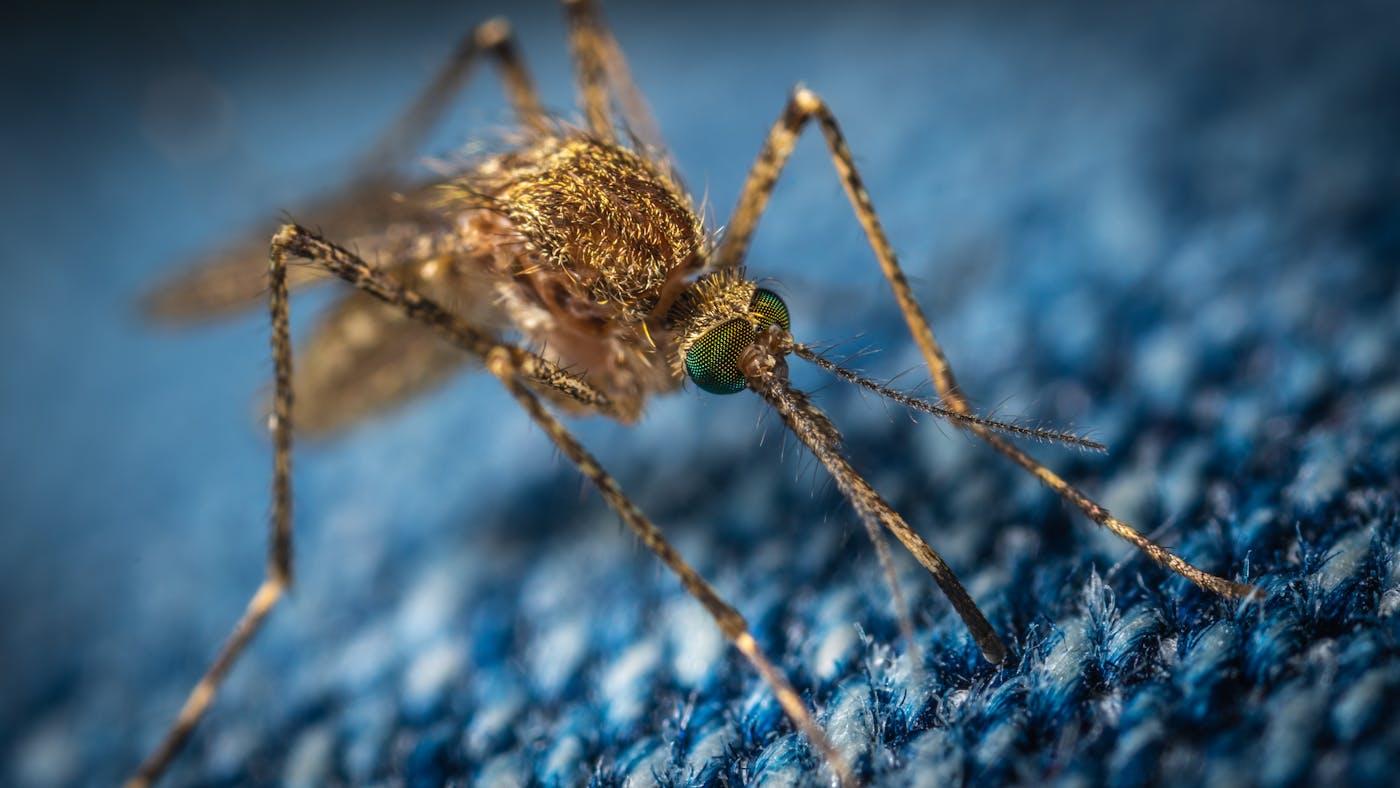
Antimalarial tablets are not generally recommended for Mauritius, which is reassuring for honeymoon and resort travellers. Mosquitoes are still present in places, and they can carry illnesses such as dengue and chikungunya, so simple bite avoidance is the sensible approach. A little care in the evenings and around water goes a long way.
- Use a DEET-based repellent, especially at dawn and dusk
- Cover up with loose long sleeves and trousers when biting is worst
- Use air conditioning or screens where available in your room
FAQ
Mauritius travel vaccines — FAQs
Getting ready for Mauritius?
Book a short consultation at our GPhC-registered clinic in Timperley, Altrincham, serving Manchester, Trafford and South Manchester. We'll confirm exactly what you need for a relaxed trip.