
Travel Health Guide
Vaccinations and health advice for travelling to Peru
From the Amazon rainforest to the high Andes and the Pacific coast, what you need depends entirely on where you are going. Here is how a pharmacist thinks it through.
Start here
What vaccinations do I need for Peru?
For most trips to Peru, the core vaccinations to consider are hepatitis A, typhoid, and keeping your tetanus, diphtheria and polio cover up to date. These cover the everyday risks of food, water and minor injuries that apply almost wherever you travel in the country. Depending on your exact route and activities, a smaller group of travellers may also need to think about yellow fever, rabies, dengue, chikungunya or tuberculosis.
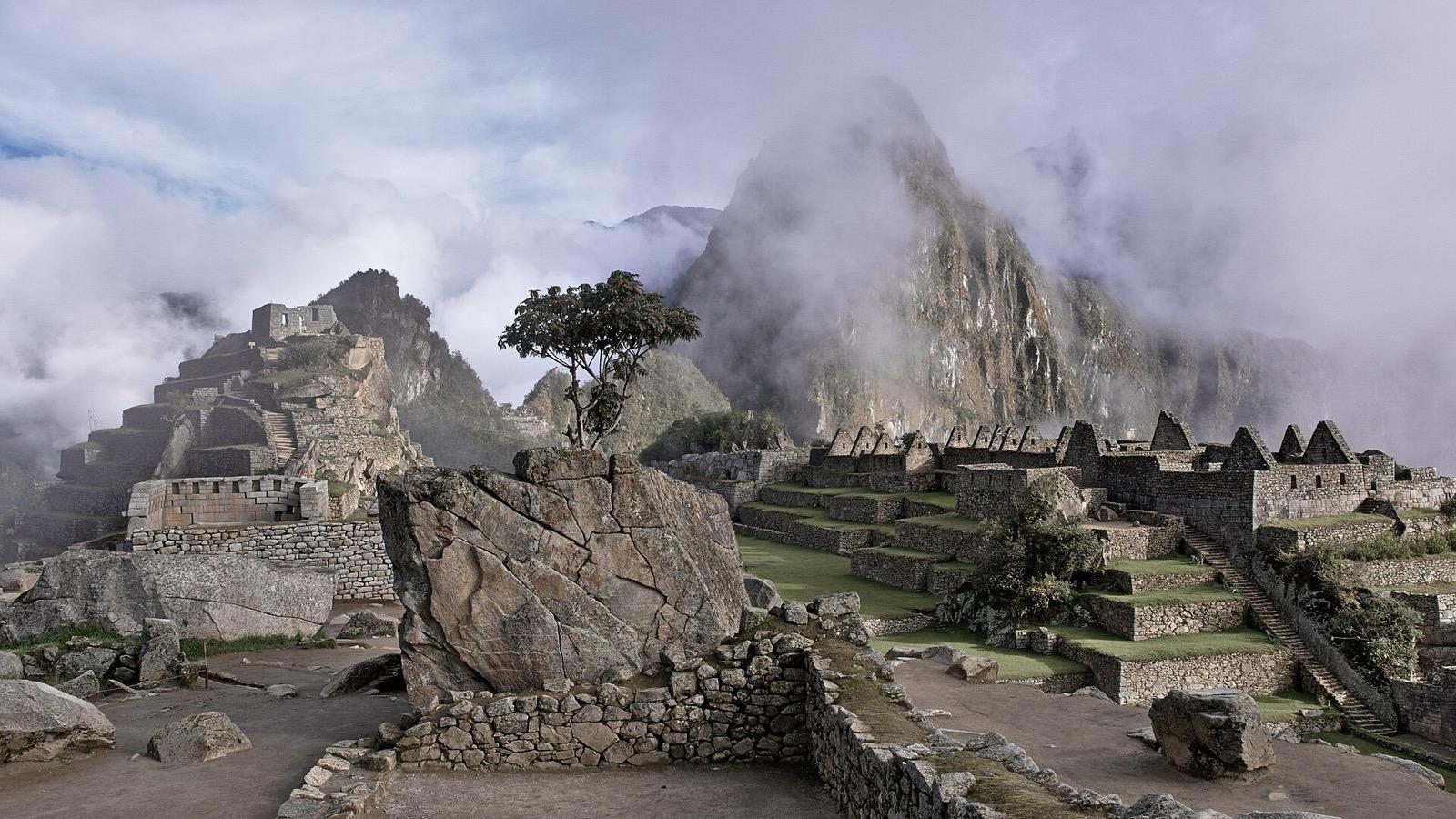
Peru is really three trips in one. The Amazon basin in the east is hot, humid and is where mosquito-borne illness and yellow fever risk concentrate. The Andean highlands around Cusco and Machu Picchu bring altitude into the picture rather than tropical disease. The dry Pacific coast and cities like Lima sit somewhere in between. Because of that, there is no single Peru jab list, which is why a short personalised consultation matters. The advice here is general guidance based on TravelHealthPro (UKHSA and NaTHNaC), and we confirm what applies to you before you travel.
The simple version
Plan around your route, then leave enough time
If you remember one thing, make it this: your Peru health plan should follow your itinerary. The same trip can need very little or quite a lot depending on whether you are stargazing in the Sacred Valley or heading deep into the rainforest.
Try to book your consultation several weeks before you fly. Some vaccines work best with time to take effect, and a few are given as a short course, so early planning gives you the most options and the least stress.
Recommended immunisations
Vaccinations to consider for Peru
These reflect current TravelHealthPro recommendations for Peru. Which ones you actually need depends on your itinerary, how long you are away and what you will be doing, so treat this as a starting point for your consultation.
Hepatitis A
Most travellers
Spread through contaminated food and water, so it is sensible cover for almost any trip to Peru.
Tetanus, Diphtheria & Polio
Most travellers
A single combined booster tops up three important protections at once if you are due.
Typhoid
Most travellers
Worth considering given the food and water hygiene risks, especially away from larger hotels and cities.
Chikungunya
Some travellers
A mosquito-borne infection found in lowland areas, relevant for some travellers depending on destination and risk.
Dengue
Some travellers
Also spread by daytime-biting mosquitoes in the Amazon and lowlands, which makes bite avoidance important.
Rabies
Some travellers
Worth discussing if you will be remote, working with animals or far from prompt medical care.
Tuberculosis
Some travellers
Considered for some longer-stay travellers or those with closer, prolonged contact with local communities.
Yellow fever
Some travellers
Relevant for travel to certain Amazon and jungle areas; we will check whether it applies to your route and any certificate needs.
Entry rules — separate from your jabs
Yellow fever certificate: what Peru requires
A yellow fever certificate requirement is a legal condition of entry — it is not the same thing as the vaccine being recommended for your health. The recommendation (when there is one) appears in the vaccine list above; the entry rule is below.
No yellow fever certificate is required to enter Peru
Peru does not ask arriving travellers for a yellow fever certificate, whatever your route.
Separately, yellow fever transmission does occur in parts of Peru — so the vaccine itself may be advised for your health; see the vaccine list above and we'll confirm at your consultation.
Three Perus, three risk pictures
Amazon, Andes or coast: where you go changes everything
The single most useful thing you can do before a Peru consultation is map out your route. The health risks in the rainforest are not the same as those in the mountains, and packing for one does not cover the other.
- Amazon basin (Iquitos, Puerto Maldonado, Manu): hot and humid lowland jungle where mosquito-borne illness and yellow fever risk are concentrated.
- Andes (Cusco, Sacred Valley, Machu Picchu, Lake Titicaca): the main issue here is altitude, not tropical disease.
- Pacific coast and Lima: lower tropical risk, but food and water hygiene still apply as they do across the country.
- Many trips combine all three in a fortnight, so your advice should cover the whole itinerary, not just one stop.
Yellow fever and the Amazon
Yellow fever: what it covers and the certificate question
Yellow fever is the vaccine that causes the most confusion for Peru, partly because it can involve an official certificate as well as personal protection. As a registered Yellow Fever centre we can assess whether it applies to you.
- Risk is linked to certain Amazon and jungle areas rather than the whole country, so your exact route matters.
- There are two separate questions: do you need it to protect yourself, and do you need a certificate for onward travel or entry rules elsewhere.
- Certificate requirements can change and may depend on where you have travelled before arriving, so we check the current position at your consultation.
- It is a live vaccine that suits most but not all travellers, which is another reason to discuss it in person rather than self-diagnose from a list.
- If yellow fever is recommended for you, ideally arrange it in good time before departure.
Mosquitoes and malaria
Malaria in Peru: low risk, but bite avoidance still matters
Malaria risk in Peru is limited rather than countrywide. According to TravelHealthPro, there is a low risk of malaria in the Amazon basin along the border with Brazil, particularly in Loreto province, and in other rural areas of Peru below 2,000m. The high Andes and most cities are not malaria areas.
- The popular Andean highlights, including Cusco and Machu Picchu, sit well above the heights where malaria is a concern.
- If your trip takes you into low-lying Amazon or rural areas, we will talk through whether antimalarial tablets are appropriate for you.
- Either way, avoiding mosquito bites is your first line of defence, and it also reduces dengue and chikungunya risk.
- Use an effective repellent, cover up at dawn and dusk, and consider a treated net if you are staying in basic lowland accommodation.
- We do not prescribe specific medicines from a web page; any antimalarial choice is made individually at your consultation.
Altitude in the Andes
Cusco and Machu Picchu: respecting the altitude
Cusco sits high in the Andes, and many travellers feel the thin air within hours of arriving. Altitude is not an infection you can vaccinate against, so the advice here is about pacing rather than jabs. This is general guidance, not a substitute for individual medical advice.
- Build in time to acclimatise before any strenuous walking or trekking, rather than racing straight up from the coast.
- Take the first day or two gently, stay well hydrated and go easy on alcohol while you adjust.
- Mild headache, breathlessness and disturbed sleep are common early on; worsening or severe symptoms need prompt attention.
- If you have a heart or lung condition, or you are unsure how altitude might affect you, raise it at your consultation so we can talk it through.
- Some travellers ask about altitude medication; whether that is suitable is an individual decision to discuss in person.
FAQ
Common questions about travelling to Peru
Planning a trip to Peru? Let's get your jabs sorted
Whether you are bound for the Amazon, the Andes or the coast, we will map your route and put together a personalised plan at our Timperley clinic, convenient for Altrincham, Trafford and South Manchester. As a registered Yellow Fever centre, we can advise on yellow fever and certificates too. Book a consultation and travel with confidence.