
Destination guide
Travel vaccines for Bolivia
From the high Altiplano and salt flats to the Amazon lowlands, Bolivia asks a lot of your body and your planning. Here is what to sort before you fly.

Overview
What vaccinations do I need for Bolivia?
For most trips to Bolivia we recommend making sure you are covered for hepatitis A, tetanus and typhoid. Depending on where you are heading and what you plan to do, yellow fever, hepatitis B, rabies, tuberculosis, dengue and chikungunya may also be worth discussing, particularly if the Amazon basin or the eastern lowlands are on your itinerary.
Bolivia is really two different trips in one. The Altiplano and cities like La Paz and Potosí sit very high, so altitude is often the bigger day-to-day concern, while the tropical lowlands around Santa Cruz, Rurrenabaque and the Amazon bring mosquito-borne risks and the yellow fever question. Bring these together in one short consultation and we will tailor advice to your exact route.
Plan ahead
Book 4–6 weeks before you fly
Some courses need more than one dose or time to take effect, and yellow fever certificates only become valid ten days after vaccination. Booking four to six weeks ahead gives us room to plan properly, but if your trip is sooner, still get in touch as we can usually help.
Recommended vaccinations
Vaccines commonly advised for Bolivia
These reflect general guidance from TravelHealthPro (UKHSA/NaTHNaC) and are confirmed for your trip at a short consultation.
Hepatitis A
Most travellers
Spread through contaminated food and water, which is easy to encounter across Bolivia, so this is advised for almost everyone.
Tetanus
Most travellers
Worth updating if your last dose was more than ten years ago, especially with trekking, cycling or rural travel planned.
Typhoid
Most travellers
Recommended given the food and water risks, particularly if you are eating away from main hotels or staying in rural areas.
Chikungunya
Some travellers
Spread by daytime-biting mosquitoes in the lowlands and may be considered for longer or higher-risk lowland stays.
Dengue
Some travellers
Present in tropical areas such as Santa Cruz and the Amazon; vaccination is considered case by case, so we will talk it through.
Hepatitis B
Some travellers
Sensible for longer trips, medical or aid work, or anyone who may need medical or dental care while away.
Rabies
Some travellers
Worth considering for remote travel, cycling, or extended stays where access to prompt treatment after an animal bite is limited.
Tuberculosis
Some travellers
Mainly relevant for longer stays, healthcare work, or close contact with local communities, usually for those not previously vaccinated.
Yellow fever
Some travellers
Recommended for travel to lowland and Amazon risk areas; a certificate may also be required for onward travel, and we are a registered Yellow Fever centre.
Entry rules — separate from your jabs
Yellow fever certificate: what Bolivia requires
A yellow fever certificate requirement is a legal condition of entry — it is not the same thing as the vaccine being recommended for your health. The recommendation (when there is one) appears in the vaccine list above; the entry rule is below.
Flying direct from the UK? No yellow fever certificate needed for Bolivia
Bolivia only asks for a certificate (ICVP) from travellers aged 1 year+ who arrive from — or pass through — a country with yellow fever risk. That catches out multi-country itineraries, so check your whole route, not just your destination.
Separately, yellow fever transmission does occur in parts of Bolivia — so the vaccine itself may be advised for your health; see the vaccine list above and we'll confirm at your consultation.
Malaria & mosquitoes
Malaria and mosquito-borne illness in Bolivia
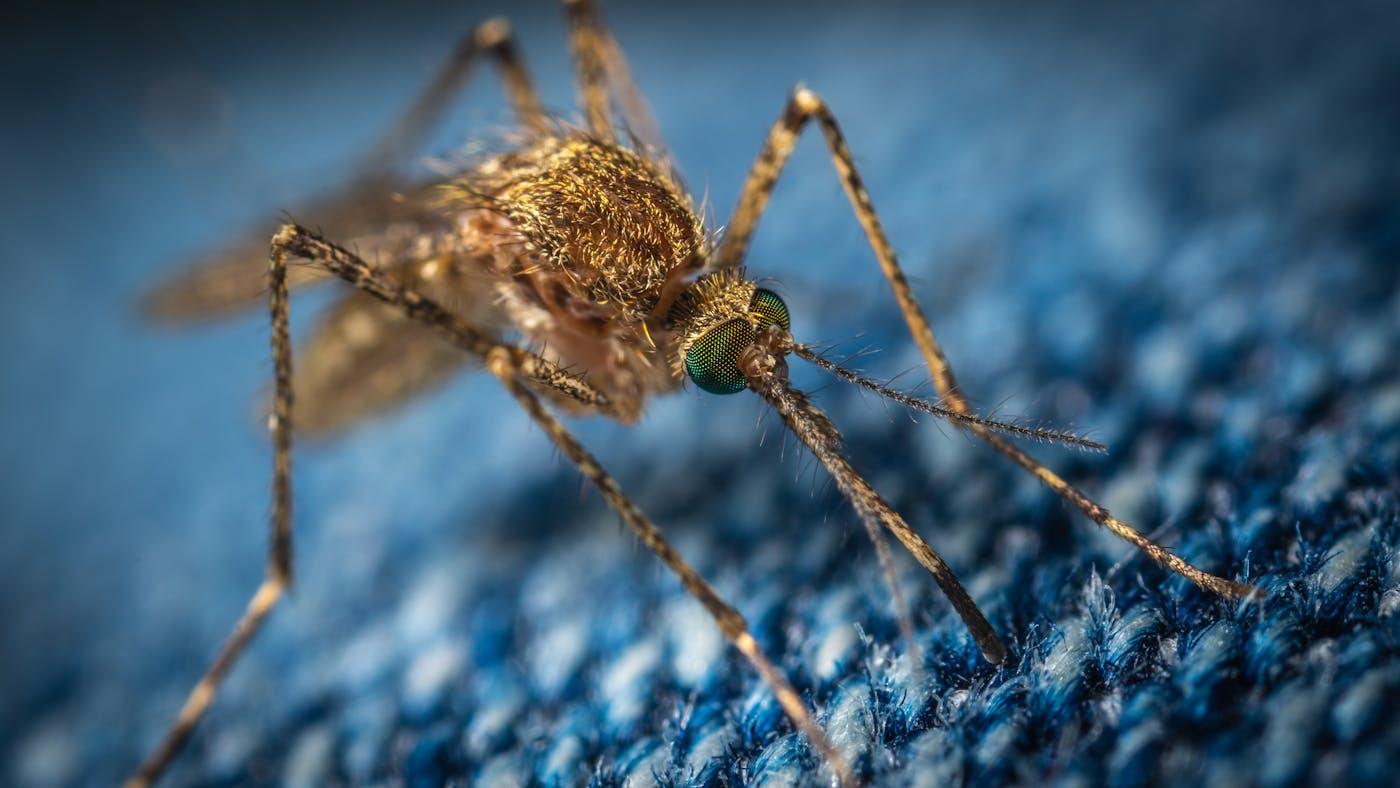
Antimalarial tablets are not generally recommended for Bolivia, but the risk from mosquitoes is real in the lowlands, where dengue, chikungunya and Zika all circulate. Bite avoidance is your main line of defence, day and night. If your route takes you deep into the Amazon, we can review the latest area-specific advice with you.
- Use a DEET-based repellent on exposed skin, reapplying as directed
- Cover up with loose long sleeves and trousers, especially at dawn and dusk
- Sleep under a net or in screened, air-conditioned rooms in the lowlands
FAQ
Bolivia travel vaccines — FAQs
Do I need a yellow fever certificate for Bolivia?
Is altitude sickness a problem in La Paz?
Do I need malaria tablets for Bolivia?
Which vaccines do most travellers to Bolivia need?
How far in advance should I come in?
Are the salt flats and Amazon tours risky for health?
Getting ready for Bolivia?
Book a short consultation at our Timperley clinic and we will map your vaccines, altitude plan and mosquito advice to your exact route across the Altiplano, salt flats and Amazon.