
Destination guide
Travel vaccines for Cambodia
From the temples of Angkor to the streets of Phnom Penh and the rural Mekong, here is what UK travellers actually need before a trip to Cambodia, and why bite avoidance often matters more than tablets.
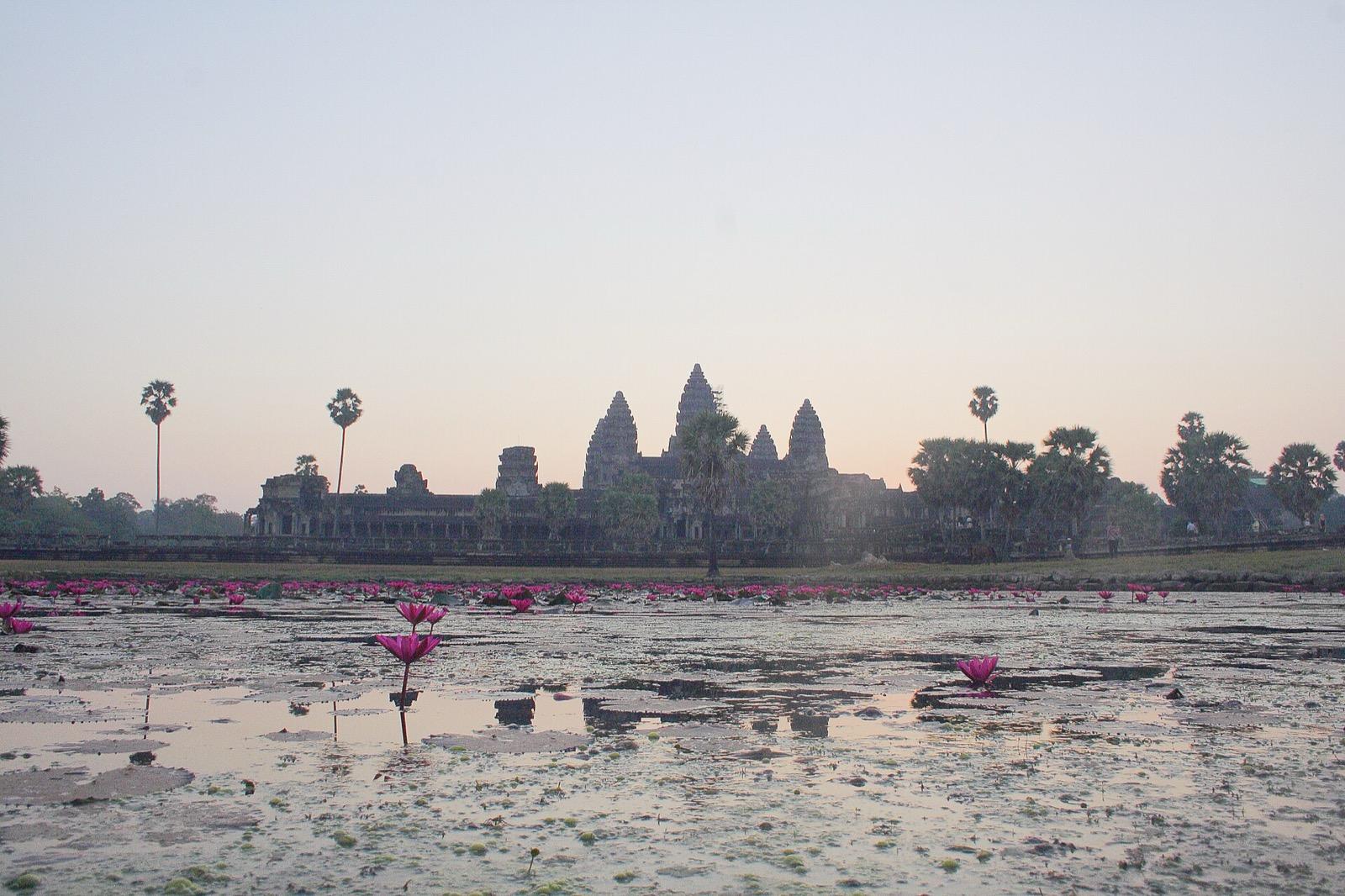
Cambodia
What vaccinations do I need for Cambodia?
A Cambodia trip usually pairs the temple crowds of Angkor with river towns and, increasingly, the remote north-east. For most visitors the essentials are hepatitis A, typhoid and a tetanus booster, with rabies and Japanese encephalitis worth weighing up for anyone spending time rurally. Cambodia's under-resourced medical system is part of the reasoning — reliable rabies treatment can be hard to reach quickly outside Phnom Penh and Siem Reap.
Rabies and Japanese encephalitis come up in a lot of Cambodia consultations, more so than for some neighbouring countries, because both fit the kind of travel people do here: longer stays, rural and forested areas, cycling between temples, and contact with animals or rice-paddy environments. Malaria, by contrast, is genuinely low risk for most itineraries, and antimalarial tablets are not generally recommended. These notes are general guidance drawn from TravelHealthPro (UKHSA and NaTHNaC), and the right combination for your trip is best confirmed at a short consultation with us.
Plan ahead
Book four to six weeks before you fly
Book four to six weeks out where you can. If rabies is on your list for a rural Cambodia trip, that is three doses over three to four weeks; Japanese encephalitis is two doses about a month apart. Short notice is still worth a visit.
Recommended vaccines
Cambodia vaccine recommendations
These are the vaccines TravelHealthPro lists for Cambodia, split into those most travellers should consider and those that depend on your individual plans. We will confirm exactly which you need at your appointment.
Hepatitis A
Most travellers
Spread through contaminated food and water, hepatitis A is a sensible baseline for Cambodia given the street-food culture and variable sanitation outside the main hotels.
Tetanus
Most travellers
A cut or graze while temple-climbing or trekking is easy to pick up, so we will check your tetanus cover is current and offer a booster if it has lapsed.
Typhoid
Most travellers
Typhoid risk follows food and water hygiene, which makes it worth having for the kind of adventurous eating most people do in Cambodian markets and rural towns.
Chikungunya
Some travellers
Spread by daytime-biting mosquitoes, chikungunya can be discussed for some travellers, particularly older adults or those with longer or repeated rural stays.
Dengue
Some travellers
Dengue occurs countrywide and the vaccine may be considered for travellers aged four and over who have had a previous confirmed dengue infection, so let us know if that applies to you.
Hepatitis B
Some travellers
Worth considering for longer trips, healthcare or volunteer work, or any chance of needing medical or dental treatment while you are in Cambodia.
Japanese encephalitis
Some travellers
Carried by mosquitoes around rice fields and pig farming, this is a common recommendation for stays of a month or more, repeat visits, or rural travel during the May to October peak.
Measles
Some travellers
We will check you have had two documented doses of MMR, as measles still circulates in the region and protection is especially important for younger travellers.
Rabies
Some travellers
Often relevant for Cambodia given roaming dogs, cycling between temples and remote areas with limited access to treatment, so pre-exposure doses are frequently worth discussing.
Tuberculosis
Some travellers
The BCG vaccine is usually only relevant for longer stays or close contact with local communities, typically in younger travellers who have not had it before.
Entry rules — separate from your jabs
Yellow fever certificate: what Cambodia requires
A yellow fever certificate requirement is a legal condition of entry — it is not the same thing as the vaccine being recommended for your health. The recommendation (when there is one) appears in the vaccine list above; the entry rule is below.
Flying direct from the UK? No yellow fever certificate needed for Cambodia
Cambodia only asks for a certificate (ICVP) from travellers aged 1 year+ who arrive from — or pass through — a country with yellow fever risk, and airport layovers over 12 hours in a risk country count. That catches out multi-country itineraries, so check your whole route, not just your destination.
There is no yellow fever transmission risk in Cambodia itself — this rule exists purely to stop the virus being carried in from elsewhere.
Mosquito-borne illness
Malaria, dengue and bite avoidance in Cambodia
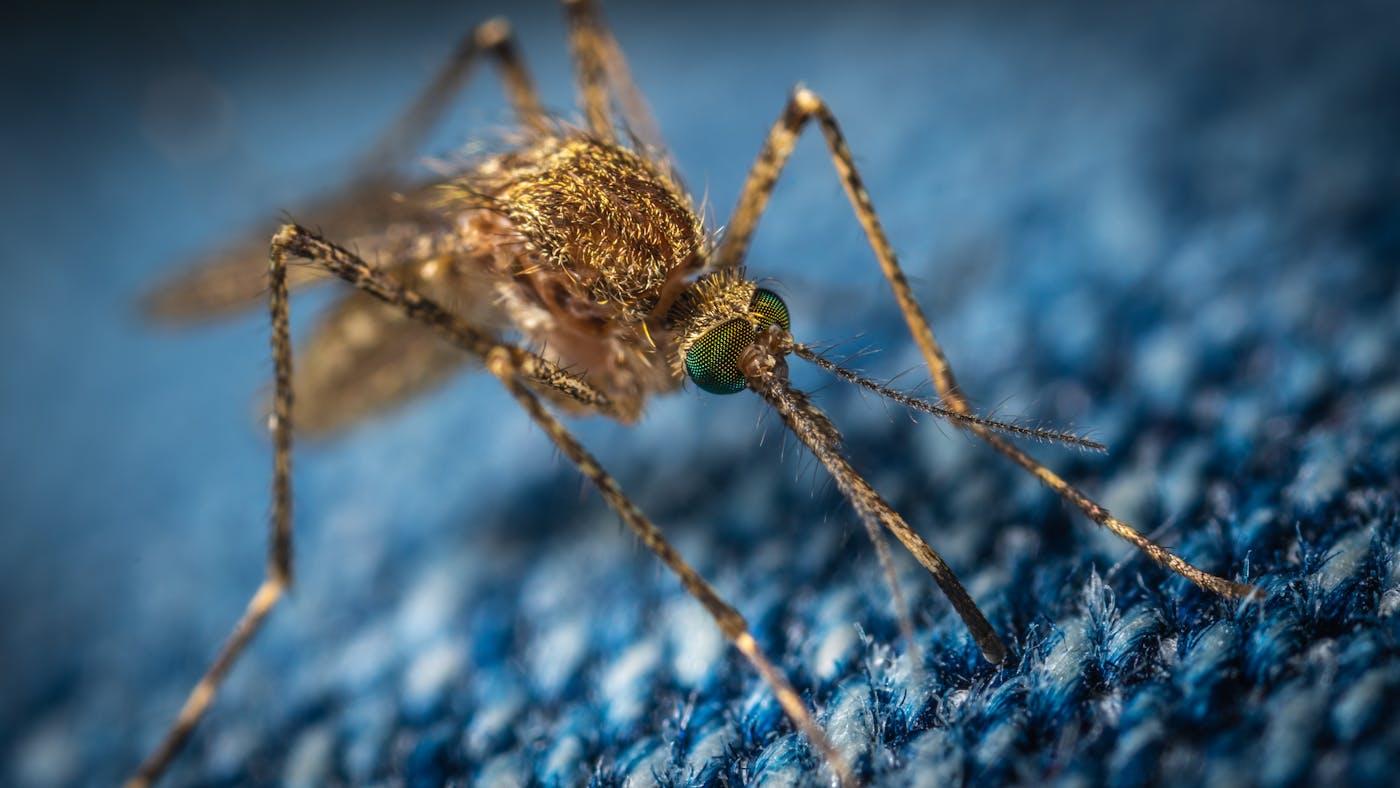
Malaria is low risk across Cambodia and antimalarial tablets are not generally recommended. The risk around Angkor Wat and the temple complexes is very low, and tablets are usually only considered for specific rural or forested border areas, often the provinces bordering Thailand. Dengue, however, is present countrywide and is spread by daytime-biting mosquitoes, so for most travellers good bite avoidance is the single most useful thing you can do: a DEET-based repellent, loose long sleeves at dawn and dusk, and a room that is screened or air-conditioned. Malaria in Cambodia is limited to rural and forested border areas, but resistance to some antimalarial drugs in this region means the choice of tablet matters — we'll advise the right one for your route.
- Very low malaria risk around Angkor Wat and Siem Reap
- Tablets generally reserved for rural or forested border areas
- Dengue is countrywide, so repellent and covering up matter year-round
- Bring a DEET-based repellent and reapply through the day
FAQ
Cambodia travel health: common questions
Get ready for Cambodia with confidence
Book a short travel-health consultation in Timperley and we will tailor your vaccines to your route, from Angkor Wat to the rural Mekong, and answer any questions about malaria, dengue and staying well on the road.