
Destination guide
Travel vaccines for Fiji
Whether you're honeymooning at a resort or island-hopping through the Yasawas, a short travel-health check keeps the trip about the sunsets, not the sick days.
Overview
What vaccinations do I need for Fiji?
For most UK travellers heading to Fiji, the practical starting point is making sure your tetanus cover is current and considering hepatitis A and typhoid, both of which are linked to food and water. Depending on your plans, hepatitis B, tuberculosis and the dengue vaccine may also be discussed. Fiji is not a malaria area, so antimalarial tablets are not generally needed, though mosquito-bite protection still matters because dengue circulates all year.
Recommendations vary with your itinerary, how long you're staying, where you'll sleep and eat, and your own health history. A backpacker on a three-week island-hopping trip through basic guesthouses will get slightly different advice from a couple spending ten days at a resort. We'll go through your specific plans at a short consultation and confirm what you actually need.
Plan ahead
Book 4–6 weeks before you fly
Some vaccines need time to work or come as a short course, and Fiji is a long-haul trip that often takes months of planning. Booking four to six weeks ahead gives us room to space doses sensibly, but if your departure is sooner, still come in as there's usually something useful we can do.
Recommended vaccinations
Vaccines commonly advised for Fiji
These are the vaccines TravelHealthPro (UKHSA/NaTHNaC) highlights for Fiji, which we confirm against your itinerary at your appointment.
Tetanus
Most travellers
Worth checking you're up to date, as reef cuts, coral grazes and minor injuries are common on active island trips.
Hepatitis A
Some travellers
Spread through contaminated food and water, so it's sensible for most travellers eating widely across resorts, villages and street stalls.
Typhoid
Some travellers
Considered where hygiene and sanitation may be variable, particularly on longer stays or when eating outside main resorts.
Hepatitis B
Some travellers
Relevant for longer trips, adventure activities, tattoos or piercings, or any chance of needing medical or dental care.
Tuberculosis
Some travellers
May be advised for longer stays or close contact with local communities, and is assessed case by case.
Dengue
Some travellers
A vaccine may be an option for some travellers depending on age and previous dengue infection, which we'll assess individually.
Entry rules — separate from your jabs
Yellow fever certificate: what Fiji requires
A yellow fever certificate requirement is a legal condition of entry — it is not the same thing as the vaccine being recommended for your health. The recommendation (when there is one) appears in the vaccine list above; the entry rule is below.
Flying direct from the UK? No yellow fever certificate needed for Fiji
Fiji only asks for a certificate (ICVP) from travellers aged 1 year+ who arrive from — or pass through — a country with yellow fever risk, and airport layovers over 12 hours in a risk country count. That catches out multi-country itineraries, so check your whole route, not just your destination.
There is no yellow fever transmission risk in Fiji itself — this rule exists purely to stop the virus being carried in from elsewhere.
Malaria & mosquitoes
Malaria and mosquito-borne illness in Fiji
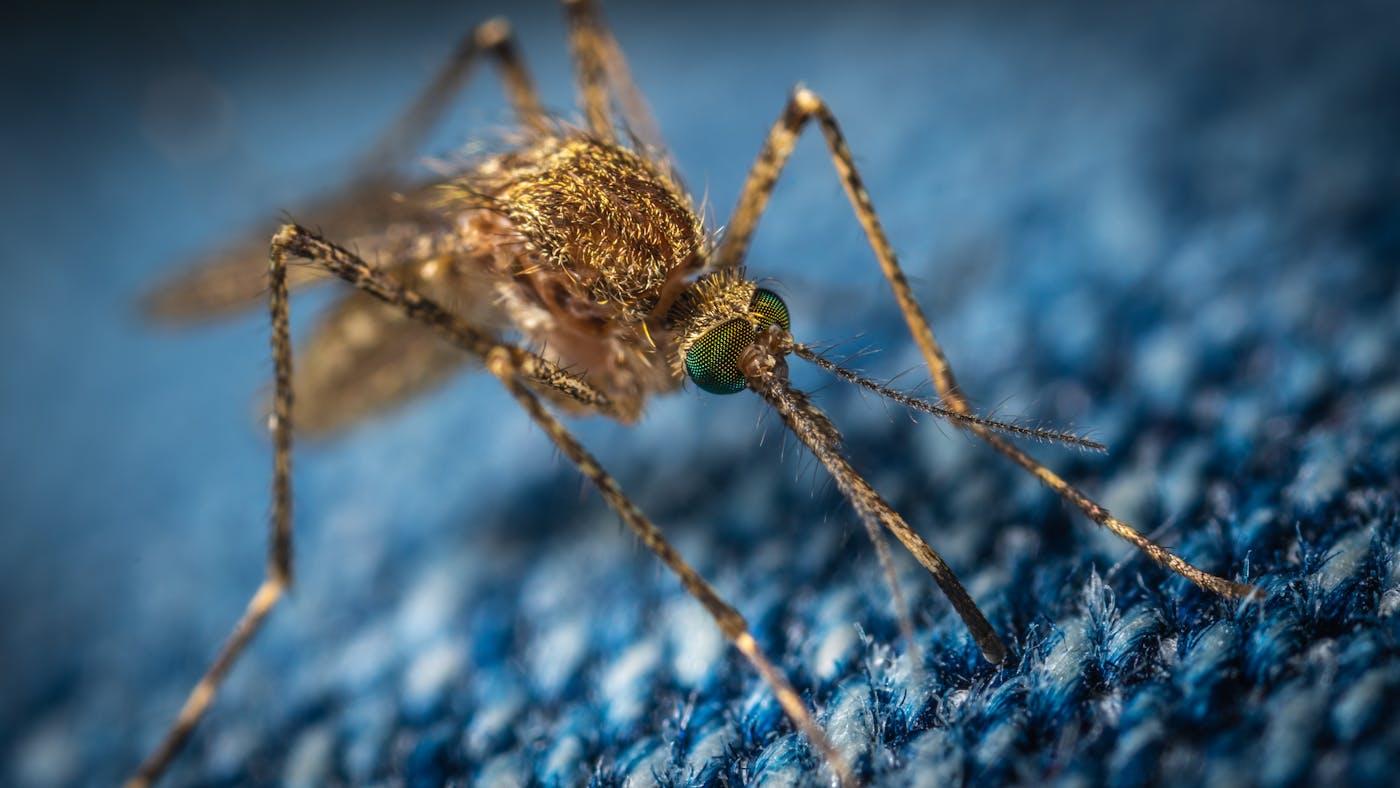
There is no malaria in Fiji, so antimalarial tablets are not generally recommended. Dengue, however, is present year-round and can spike after heavy rain, and the mosquitoes that carry it bite during the day. Good bite avoidance is your main protection, so build it into your daily routine rather than treating it as an afterthought.
- Use a DEET-based repellent by day and reapply after swimming
- Wear loose, light clothing that covers arms and legs when you can
- Choose air-conditioned or well-screened rooms where possible
FAQ
Fiji travel vaccines — FAQs
Getting ready for Fiji?
Book a travel-health consultation at our GPhC-registered clinic in Timperley, serving Altrincham, Trafford and South Manchester. We'll tailor your vaccines to your itinerary and get you trip-ready.