
Destination guide
Travel vaccines for Guatemala
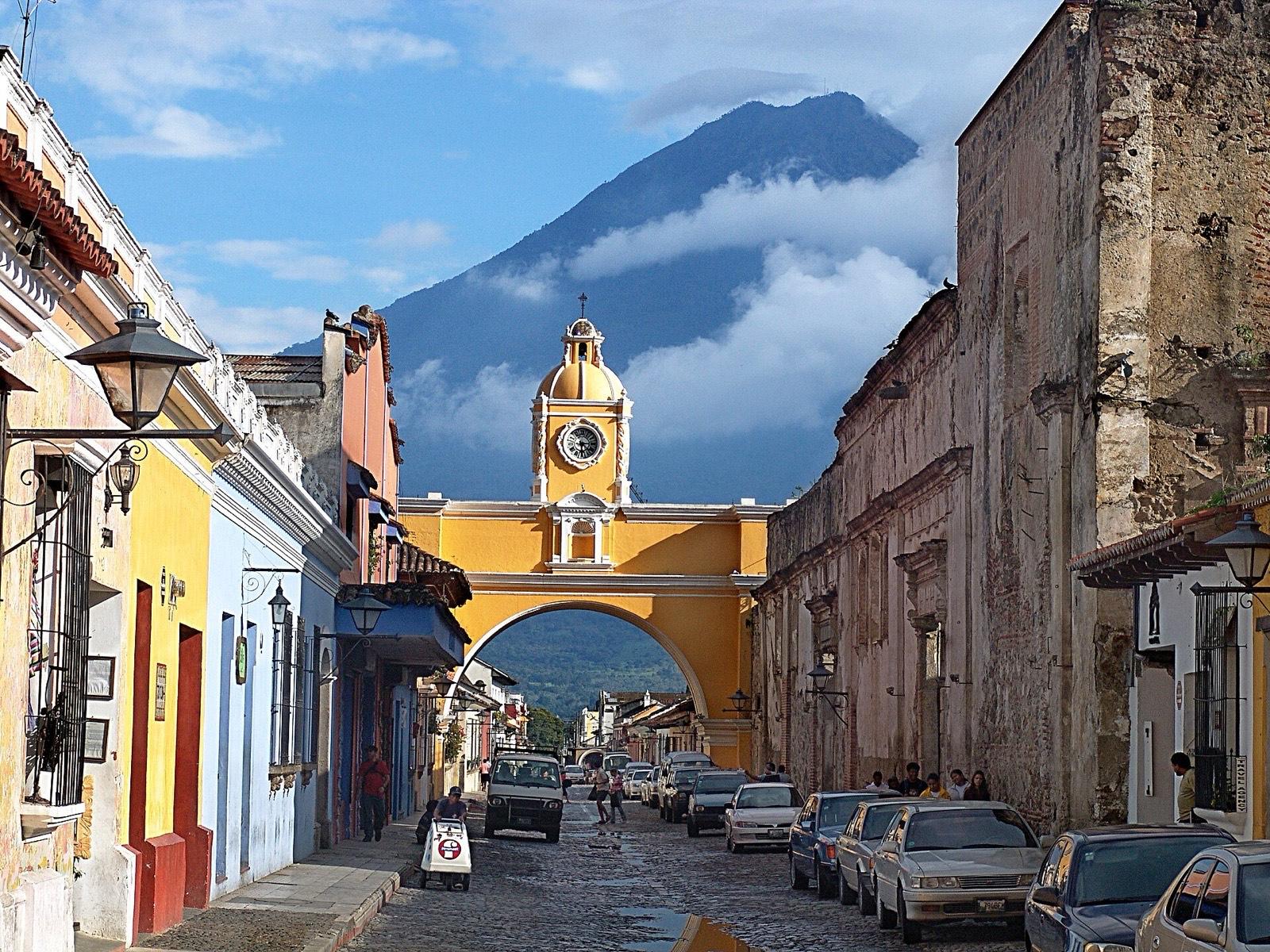
From Antigua's colonial streets to Lake Atitlán and the ruins of Tikal, a little planning keeps your trip healthy. Here is what UK travellers usually need.
Overview
What vaccinations do I need for Guatemala?
For most trips to Guatemala we recommend making sure you are covered for hepatitis A, tetanus and typhoid. These reflect the realities of backpacking through places like Antigua, Lake Atitlán and Tikal, where street food, tap water and long overland journeys are all part of the experience.
Depending on your plans, some travellers also benefit from rabies, dengue, chikungunya and a measles (MMR) check. Malaria tablets are not generally recommended for Guatemala, though mosquito-bite avoidance still matters in lowland and jungle areas. A short consultation lets us tailor the list to your exact itinerary and health history.
Plan ahead
Book 4–6 weeks before you fly
Some vaccines need time to work or come as a short course, so aim to see us four to six weeks before departure. Leaving it late is not a lost cause, though; even a last-minute appointment lets us offer sensible protection and advice.
Recommended vaccinations
Vaccines commonly advised for Guatemala
These recommendations follow TravelHealthPro (UKHSA/NaTHNaC) guidance and are confirmed at your consultation.
Hepatitis A
Most travellers
Spread through contaminated food and water, which is a real risk with street food and rural travel across Guatemala.
Tetanus
Most travellers
Worth updating if your last dose was over ten years ago, especially for adventurous or outdoor trips where cuts and grazes happen.
Typhoid
Most travellers
Recommended given the food and water hygiene risks common on backpacking routes and in smaller towns.
Chikungunya
Some travellers
Spread by daytime mosquitoes; may be considered for longer stays or those with certain risk factors, discussed at your appointment.
Dengue
Some travellers
Dengue circulates in Guatemala's lowland and urban areas, so vaccination may be considered for some travellers alongside bite avoidance.
Measles (MMR)
Some travellers
Check you have had two MMR doses, as measles still circulates and outbreaks can occur in the region.
Rabies
Some travellers
Sensible for longer trips, rural travel or activities near dogs, bats and wildlife where medical help may be hours away.
Entry rules — separate from your jabs
Yellow fever certificate: what Guatemala requires
A yellow fever certificate requirement is a legal condition of entry — it is not the same thing as the vaccine being recommended for your health. The recommendation (when there is one) appears in the vaccine list above; the entry rule is below.
Flying direct from the UK? No yellow fever certificate needed for Guatemala
Guatemala only asks for a certificate (ICVP) from travellers aged 1 year+ who arrive from — or pass through — a country with yellow fever risk, and airport layovers over 12 hours in a risk country count. That catches out multi-country itineraries, so check your whole route, not just your destination.
There is no yellow fever transmission risk in Guatemala itself — this rule exists purely to stop the virus being carried in from elsewhere.
Malaria & mosquitoes
Malaria and mosquito-borne illness in Guatemala
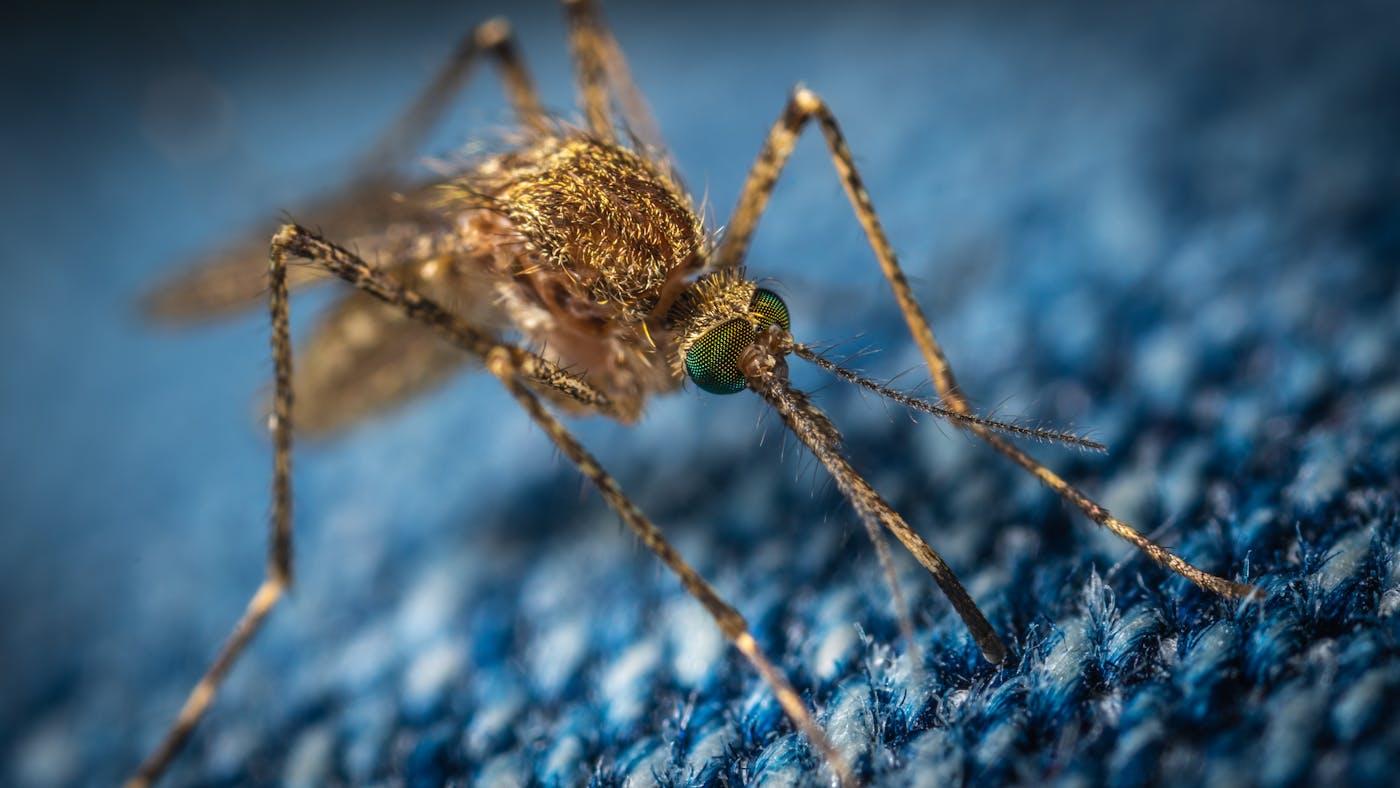
Antimalarial tablets are not generally recommended for Guatemala, as the malaria risk is limited to some lowland areas. Bite avoidance still matters wherever mosquitoes are present, and it also protects against dengue and chikungunya, which have no simple daily tablet. We will review your route and confirm what is right for you.
- Use DEET-based repellent day and night
- Cover up at dawn and dusk in lowland areas
- Sleep under nets where rooms are not screened
FAQ
Guatemala travel vaccines — FAQs
Getting ready for Guatemala?
Book a travel health consultation at our Timperley clinic and we will tailor your vaccines to your route through Antigua, Lake Atitlán, Tikal and beyond.