
Destination guide
Travel vaccines for Mongolia
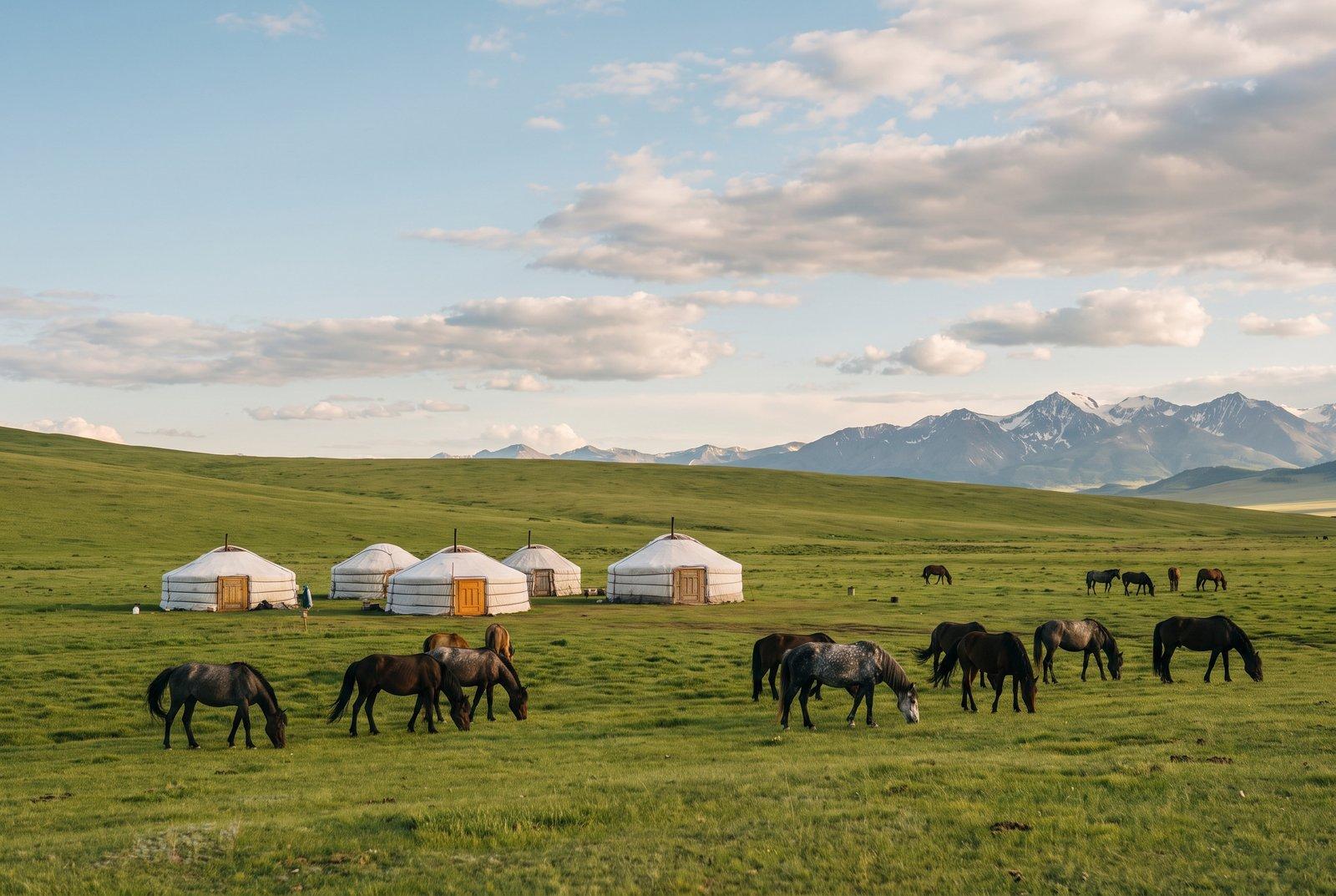
From horse treks across the steppe to nights in the Gobi, Mongolia often means real distance from medical help. A little planning makes a big difference.
Overview
What vaccinations do I need for Mongolia?
For most travellers to Mongolia, the core vaccines are hepatitis A, tetanus and typhoid. Depending on your plans, hepatitis B, MMR (measles), rabies, tick-borne encephalitis and tuberculosis may also be advised, and these are worth discussing carefully if you are heading into rural areas.
Mongolia rewards adventurous travel, but that same remoteness is the health headline. On the steppe or in the Gobi you can be hours or even days from a hospital, so decisions about rabies and food and water safety carry real weight. Booking a short consultation lets us match your vaccines to your exact route and how far off-grid you will be.
Plan ahead
Book 4–6 weeks before you fly
Some Mongolia vaccines, especially rabies and tick-borne encephalitis, work best as a short course spread over a few weeks. Booking early gives you time to complete the doses and travel fully protected, which matters most when you will be far from treatment.
Recommended vaccinations
Vaccines commonly advised for Mongolia
These recommendations follow TravelHealthPro (UKHSA/NaTHNaC) general guidance and are confirmed to your trip at a short consultation.
Hepatitis A
Most travellers
Spread through contaminated food and water, which is a genuine risk with rural cooking and unreliable water sources.
Tetanus
Most travellers
Worth updating before horse treks and remote travel, where cuts and animal-related injuries are harder to treat quickly.
Typhoid
Most travellers
Recommended given the food and water hygiene challenges outside Ulaanbaatar and on the road.
Hepatitis B
Some travellers
Sensible for longer stays, adventure activities, or if medical or dental care might be needed far from major hospitals.
Measles (MMR)
Some travellers
Check you have had two documented doses, as measles still circulates and immunity gaps are common in UK adults.
Rabies
Some travellers
Strongly worth considering for the steppe and Gobi, where dogs and wildlife are present and post-exposure treatment can be far away.
Tick-borne encephalitis
Some travellers
Consider it if you plan hiking, camping or forest travel in northern and central regions during the warmer months.
Tuberculosis
Some travellers
May be advised for longer stays or close contact with local communities, particularly for younger travellers.
Entry rules — separate from your jabs
Yellow fever certificate: what Mongolia requires
A yellow fever certificate requirement is a legal condition of entry — it is not the same thing as the vaccine being recommended for your health. The recommendation (when there is one) appears in the vaccine list above; the entry rule is below.
No yellow fever certificate is required to enter Mongolia
Mongolia does not ask arriving travellers for a yellow fever certificate, whatever your route.
There is no yellow fever transmission risk in Mongolia itself — this rule exists purely to stop the virus being carried in from elsewhere.
Malaria & mosquitoes
Malaria and mosquito-borne illness in Mongolia
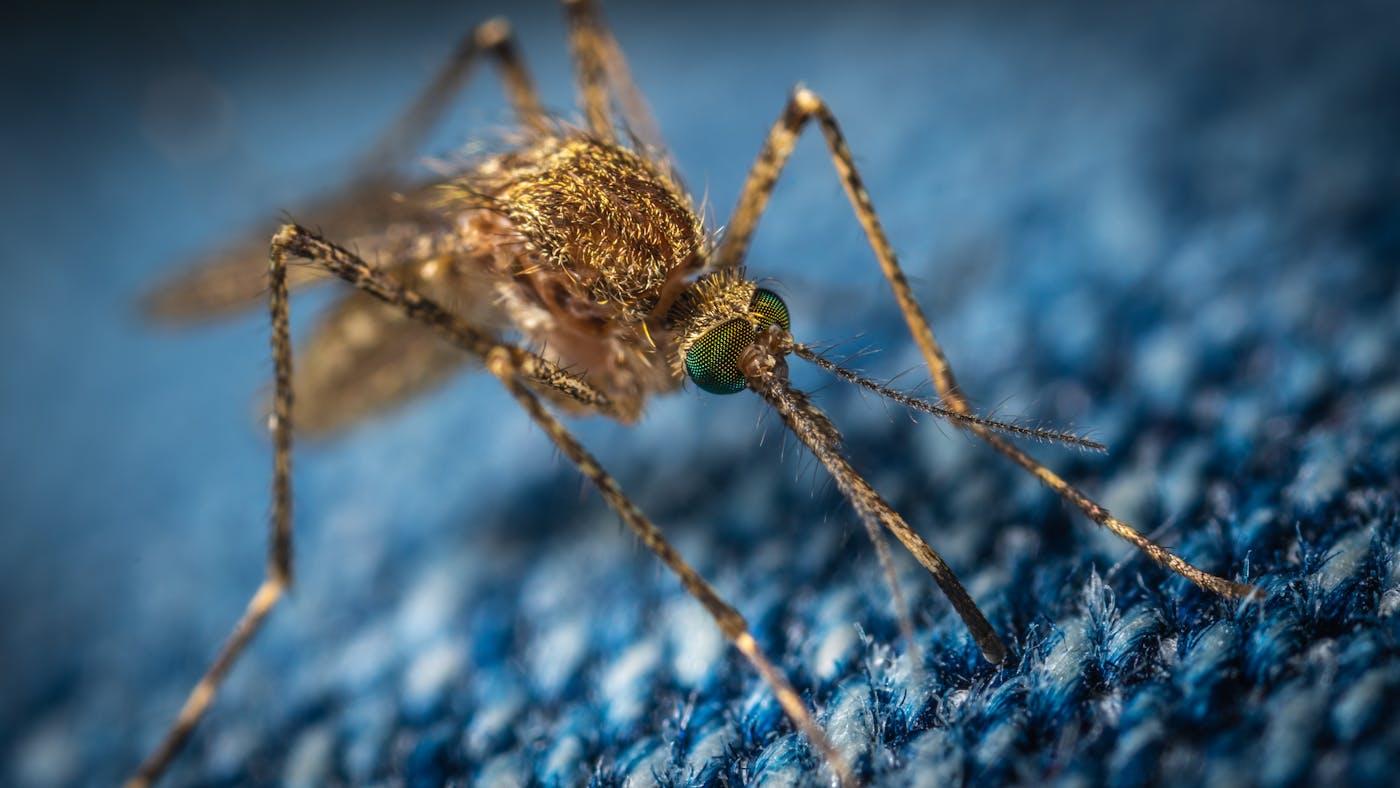
Good news on this front: malaria tablets are not generally recommended for Mongolia. That said, mosquitoes and other biting insects can appear near water and in summer, so simple bite avoidance still makes sense and helps with tick protection too.
- No malaria tablets needed for standard trips
- Use repellent and cover up at dawn and dusk
- Check for ticks after grassland and forest walks
FAQ
Mongolia travel vaccines — FAQs
Getting ready for Mongolia?
Come and see us at our Timperley clinic in Altrincham for tailored advice on rabies, remote-travel protection and the rest of your vaccines. We serve travellers across Manchester, Trafford and South Manchester.