
Destination guide
Travel vaccines for Myanmar
From temple trails around Bagan to remote border regions, here is what UK travellers should sort before flying, tailored to your route and how long you are away.
Overview
What vaccinations do I need for Myanmar?
Most travellers to Myanmar are advised to be up to date with hepatitis A, tetanus and typhoid. Depending on your itinerary, how long you are staying and what you plan to do, a clinician may also suggest rabies, Japanese encephalitis, hepatitis B, cholera, chikungunya, MMR or tuberculosis vaccination.
Myanmar rewards adventurous, longer trips into rural and border areas, and that is exactly where the extra advice matters. Malaria tablets are recommended for parts of the country, and dengue is present, so mosquito-bite protection is essential. We tailor everything to your plans at a short consultation before you travel.
Plan ahead
Book 4–6 weeks before you fly
Some vaccines, such as rabies and Japanese encephalitis, need more than one dose spread over a few weeks, so earlier is better. Even if you are short on time, come and see us — there is often still something useful we can do before departure.
Recommended vaccinations
Vaccines commonly advised for Myanmar
These recommendations follow TravelHealthPro (UKHSA/NaTHNaC) guidance and are confirmed for your trip at a short consultation.
Hepatitis A
Most travellers
Spread through contaminated food and water, which is a real risk with street food and rural travel across Myanmar.
Tetanus
Most travellers
Worth topping up before adventurous travel where cuts and grazes could become infected far from good care.
Typhoid
Most travellers
Recommended for most trips given the food and water hygiene conditions, especially outside main cities.
Chikungunya
Some travellers
Considered for some travellers based on outbreak activity and how much time you spend in mosquito-prone areas.
Cholera
Some travellers
May be advised for higher-risk trips, such as aid work or travel to areas with poor sanitation and limited clean water.
Dengue
Some travellers
A vaccine may suit some travellers who have had dengue before; we assess suitability individually as day-biting mosquitoes carry it.
Hepatitis B
Some travellers
Sensible for longer stays, adventurous travel or anyone who could need medical or dental care while away.
Japanese encephalitis
Some travellers
Considered for longer or repeated trips to rural and rice-growing areas, particularly during and after the rainy season.
Measles (MMR)
Some travellers
Check you have had two lifetime doses, as measles still circulates and outbreaks can occur.
Rabies
Some travellers
Worth considering for remote travel and longer trips, where reliable treatment after a bite may be hours or days away.
Tuberculosis
Some travellers
Discussed for some longer stays and higher-risk activities, usually for younger travellers living or working closely with local communities.
Entry rules — separate from your jabs
Yellow fever certificate: what Myanmar requires
A yellow fever certificate requirement is a legal condition of entry — it is not the same thing as the vaccine being recommended for your health. The recommendation (when there is one) appears in the vaccine list above; the entry rule is below.
Flying direct from the UK? No yellow fever certificate needed for Myanmar
Myanmar only asks for a certificate (ICVP) from travellers aged 1 year+ who arrive from — or pass through — a country with yellow fever risk, and airport layovers over 12 hours in a risk country count. That catches out multi-country itineraries, so check your whole route, not just your destination.
There is no yellow fever transmission risk in Myanmar itself — this rule exists purely to stop the virus being carried in from elsewhere.
Malaria & mosquitoes
Malaria and mosquito-borne illness in Myanmar
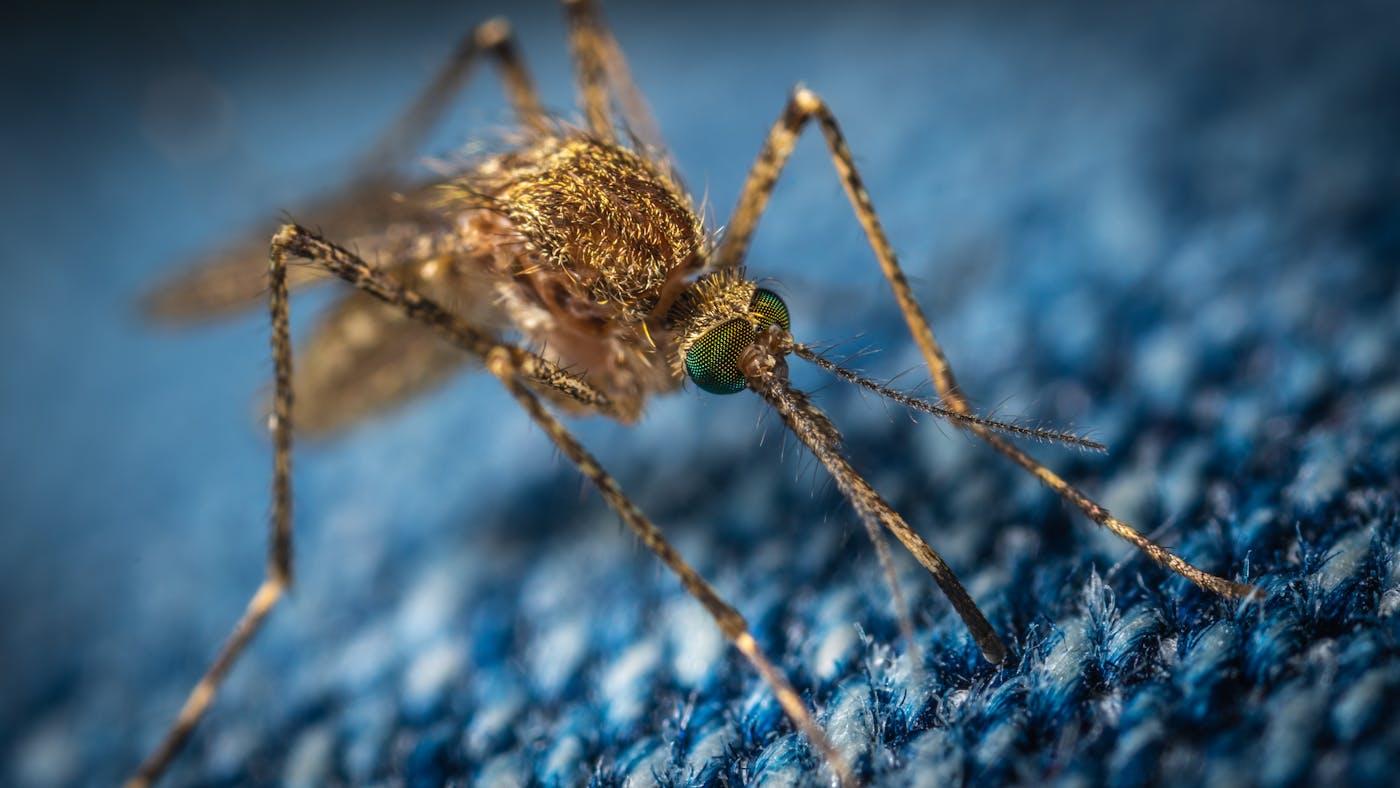
Malaria risk in Myanmar is difficult to assess, and antimalarial tablets should be considered for all parts of the country below 1,000 metres. Either atovaquone-proguanil or doxycycline is commonly used, and we will match the choice to your route, length of trip and medical history. Dengue and chikungunya are also present, so bite prevention protects you day and night.
- Antimalarials for travel below 1,000m — we advise on the right option
- Use DEET repellent, cover up and sleep under a treated net in rural areas
- Seek prompt care for any fever during or after your trip
FAQ
Myanmar travel vaccines — FAQs
Getting ready for Myanmar?
Book a travel health consultation at our Timperley clinic and we will build a plan around your route, timings and budget. Serving Manchester, Trafford and South Manchester.