
Destination guide
Travel vaccines for Nepal
From the temples of Kathmandu to the trekking trails of the Annapurnas and the wildlife of the lowland Terai, here is what UK travellers should sort before they fly.
Nepal
What vaccinations do I need for Nepal?
Nepal is really three trips in one, which is why a quick chat about your exact route matters more here than for many destinations. There is the Kathmandu Valley, with its crowds, its street food and its notorious air quality; the lowland Terai, home to Japanese encephalitis and the last of Nepal's malaria risk; and the high mountains, where altitude, cold, road accidents and animal bites all play out far from medical care. Each of those settings carries a slightly different health picture. For most travellers the core is hepatitis A, tetanus and typhoid, all of which protect against the everyday hazards of food, water and the odd cut or graze far from a clinic.
Beyond that core, the right additions depend on what you are actually doing. Trekkers and longer-stay visitors often add rabies, given how common stray dogs and monkeys are along the trails. Anyone spending time in the Terai during the wetter months should think about Japanese encephalitis. And whatever your itinerary, altitude is the single biggest thing most Nepal travellers underestimate. The recommendations below follow TravelHealthPro (UKHSA and NaTHNaC) and are general guidance; we confirm what is right for you at a short consultation before you book anything.
Plan ahead
Book four to six weeks before you fly
Some Nepal vaccines, including rabies and Japanese encephalitis, are given as a short course over several days or weeks, so the earlier you come in the more options you have. Leaving four to six weeks lets us space doses properly and gives them time to take full effect before departure.
Left it late? Don't write it off. There is often still something worthwhile we can do even close to your flight, including accelerated schedules for some vaccines, so it is always worth a quick call or booking rather than travelling with nothing.
Recommended for Nepal
Vaccines to consider for Nepal
Which of these you actually need depends on your route, the season and how long you are staying. These follow TravelHealthPro guidance; we confirm the right plan for you at your consultation.
Hepatitis A
Most travellers
Spread through contaminated food and water, hepatitis A is a sensible baseline for Nepal whether you are eating in Kathmandu or on the trail, and a single dose gives good cover for the trip.
Tetanus
Most travellers
Cuts, grazes and animal scratches are easy to pick up on trekking routes far from medical help, so it is worth checking your tetanus booster is up to date before you go.
Typhoid
Most travellers
Typhoid is carried in contaminated food and water and is a recognised risk across South Asia, making it a standard recommendation alongside hepatitis A for most Nepal trips.
Chikungunya
Some travellers
This mosquito-borne illness is a consideration for some travellers spending longer in lowland areas, and we can discuss whether it is relevant to your particular itinerary.
Cholera
Some travellers
Cholera is rarely needed for typical tourist trips, but may be worth discussing if you are doing aid work, staying in basic conditions or visiting areas with poor sanitation.
Dengue
Some travellers
Dengue is spread by daytime-biting mosquitoes in lower-lying areas, and while bite avoidance is the mainstay, we can talk through whether vaccination suits your circumstances.
Hepatitis B
Some travellers
Worth considering for longer stays, adventurous activities or anyone who might need medical or dental care locally, as it spreads through blood and bodily fluids.
Japanese encephalitis
Some travellers
Most relevant if you are spending time in the lowland Terai, especially around rural and rice-growing areas during the monsoon and post-monsoon months when transmission peaks.
Measles
Some travellers
Measles still circulates in the region, so we will check you have had two documented doses of MMR, which is the simplest way to make sure you are protected.
Rabies
Some travellers
Stray dogs and monkeys are common in Nepal and rabies is present, so this is well worth considering for trekkers and anyone travelling far from prompt medical care.
Tuberculosis
Some travellers
Usually only relevant for longer stays or close contact with local communities, particularly in younger travellers, so we will assess this individually if it applies to you.
Entry rules — separate from your jabs
Yellow fever certificate: what Nepal requires
A yellow fever certificate requirement is a legal condition of entry — it is not the same thing as the vaccine being recommended for your health. The recommendation (when there is one) appears in the vaccine list above; the entry rule is below.
Flying direct from the UK? No yellow fever certificate needed for Nepal
Nepal only asks for a certificate (ICVP) from travellers aged 9 months+ who arrive from — or pass through — a country with yellow fever risk, and airport layovers over 12 hours in a risk country count. That catches out multi-country itineraries, so check your whole route, not just your destination.
There is no yellow fever transmission risk in Nepal itself — this rule exists purely to stop the virus being carried in from elsewhere.
Mosquito-borne illness
Malaria, mosquitoes and the Terai
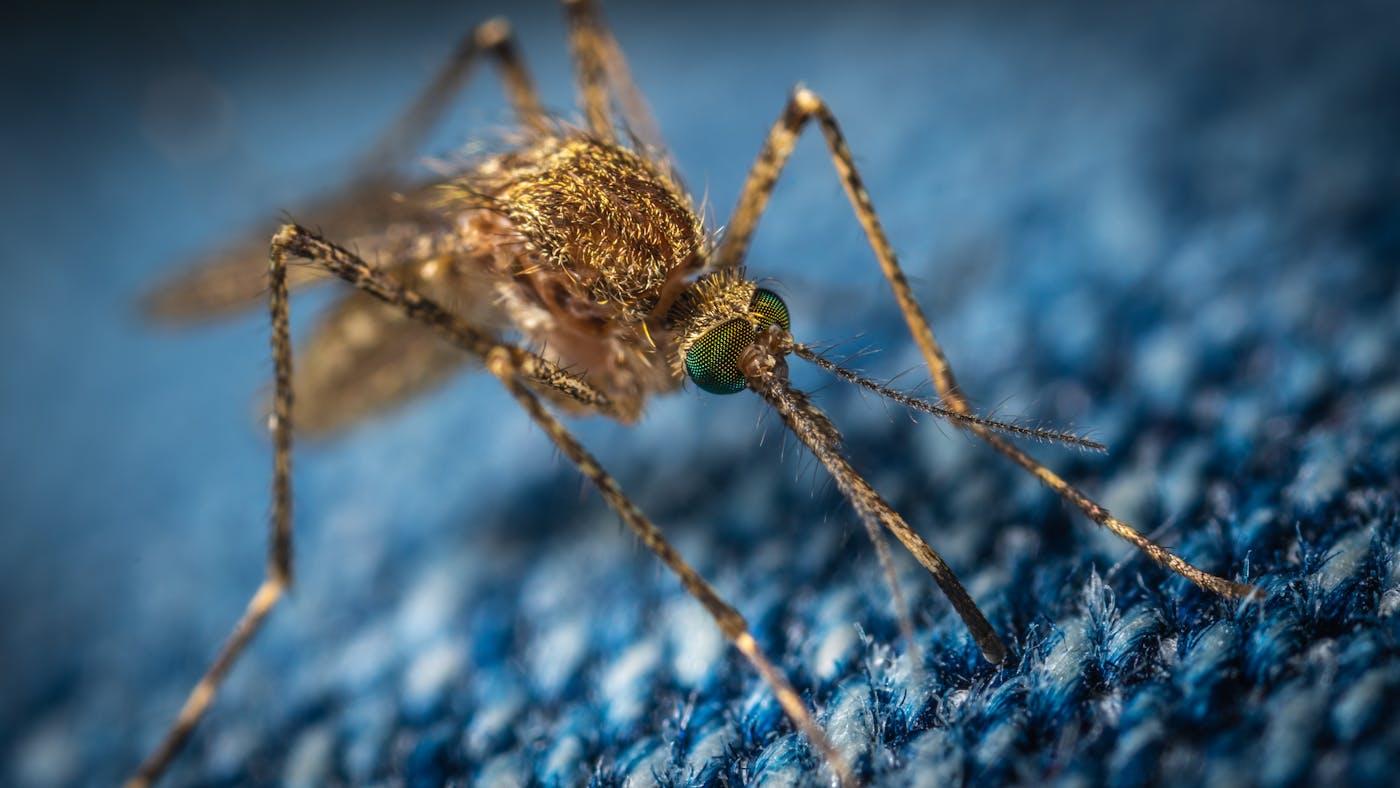
Good news for most Nepal travellers: antimalarial tablets are not generally recommended. There is no malaria risk in Kathmandu or on the high-altitude treks where most visitors spend their time. A low risk exists below 1,500 metres, particularly in the lowland Terai, but here the advice is awareness and good bite avoidance rather than routine tablets. The same mosquito habits also reduce your risk of dengue, chikungunya and Japanese encephalitis, so they are worth getting right if your trip dips into the lowlands.
- No malaria risk in Kathmandu or on high-altitude treks
- Low risk only below 1,500m, particularly the Terai
- Tablets not generally advised; focus on bite avoidance
- Cover up, use DEET-based repellent and sleep under nets in the lowlands
Trekking
Altitude sickness: the risk people forget to plan for
If your trip involves trekking, altitude deserves as much attention as any vaccine. Routes such as Everest Base Camp and the Annapurna circuit climb well above the height where altitude sickness can set in, and it can affect fit, healthy people regardless of experience. The golden rules are to ascend slowly, build in rest and acclimatisation days, and never push higher if you have headache, nausea or breathlessness. Some travellers carry acetazolamide to help prevent symptoms on rapid ascents, which we can discuss at your appointment alongside what to do if symptoms appear.
- Ascend gradually and schedule acclimatisation days
- Recognise early signs: headache, nausea, poor sleep, breathlessness
- Descend if symptoms worsen rather than carrying on
- Ask us about acetazolamide and a sensible trek first-aid kit
FAQ
Nepal travel health: common questions
Get Nepal-ready at our Timperley travel clinic
We are a GPhC-registered pharmacy and registered Yellow Fever centre near Manchester. Tell us your route through Kathmandu, the mountains and the Terai, and we will build a vaccination and altitude plan around it. Recommendations follow TravelHealthPro (UKHSA and NaTHNaC) and are confirmed at your consultation.