
Travel vaccines for Philippines
Whether you are island-hopping through the Visayas for a fortnight or settling in for a longer stay, here is what UK travellers should plan for: the routine vaccines worth checking, the trip-specific ones to consider, and the everyday food, water and mosquito habits that matter just as much.
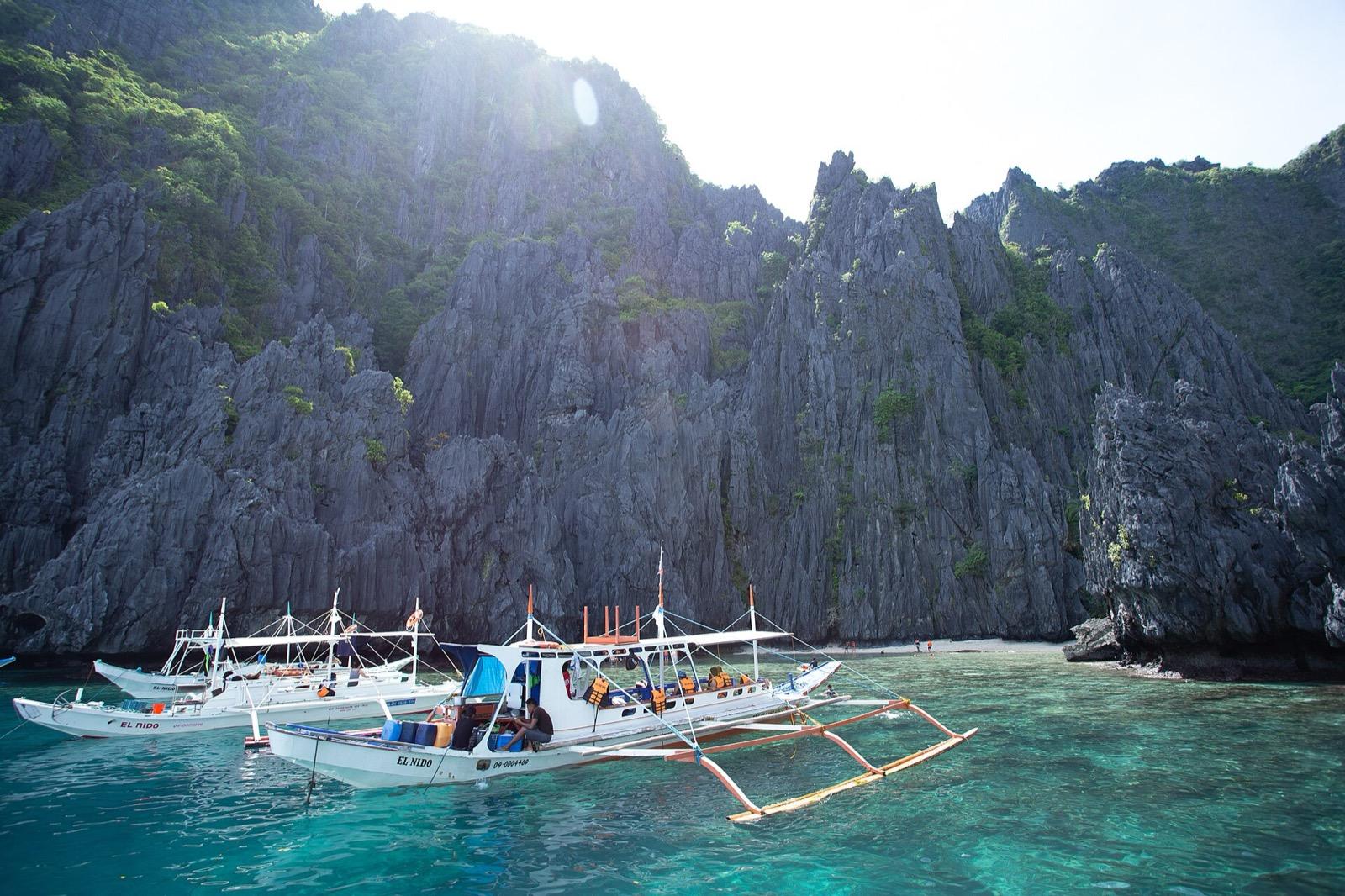
Philippines travel health
What vaccinations do I need for Philippines?
For most UK travellers heading to the Philippines, the core list is hepatitis A, tetanus and typhoid, alongside a quick check that your routine NHS vaccinations such as MMR are up to date. Hepatitis A and typhoid both come from contaminated food and water, which is a real consideration when you are sampling street food in Cebu or eating in small island barangays where kitchen standards vary. Rabies is worth a serious conversation too, because dogs, cats and monkeys are common and medical care can be a long boat or flight away if you are bitten on a remote island.
Beyond that, the right list depends on your itinerary. Longer or more rural trips, particularly spending time around rice paddies and farmland, raise the case for Japanese encephalitis. Backpackers, longer-stay travellers and those working in healthcare may want hepatitis B. Malaria tablets are not generally recommended for the Philippines, but there is a low risk in certain rural provinces, and dengue is present countrywide all year, so mosquito bite avoidance is central rather than optional. These are general recommendations from TravelHealthPro (UKHSA/NaTHNaC), and we confirm exactly what you need against your own itinerary and medical history at a short consultation.
Plan ahead
Book four to six weeks before you fly
Some courses, such as rabies and Japanese encephalitis, need more than one dose spread over a couple of weeks to give you proper protection, so timing genuinely matters for a longer or rural trip.
If your departure is sooner than that, please still come in. There is almost always something useful we can do on a shorter timeline, and partial protection beats none. You can see what each vaccine costs on our prices page before you book.
Recommended vaccines
Vaccines to consider for the Philippines
These are the vaccines TravelHealthPro lists for the Philippines, grouped by how widely they are recommended. The right combination for you depends on where you are going, how long for and what you will be doing, which is exactly what we sort out at your consultation.
Hepatitis A
Most travellers
Hepatitis A spreads through contaminated food and water, which is a genuine risk when you are eating widely across markets, ferries and small island eateries.
Tetanus
Most travellers
Cuts and grazes from coral, rocks or rusty boat fittings are easy to pick up while island-hopping, so it is worth confirming your tetanus cover is current.
Typhoid
Most travellers
Like hepatitis A, typhoid comes from contaminated food and water and is sensibly recommended for most trips, especially longer stays and rural travel.
Chikungunya
Some travellers
Chikungunya is spread by daytime-biting mosquitoes and may be considered for some travellers, particularly older adults or those on longer rural trips.
Cholera
Some travellers
Cholera vaccine is only relevant for a minority, such as aid workers or those visiting areas with poor sanitation or after flooding, and we will advise if it applies to you.
Dengue
Some travellers
Dengue circulates countrywide all year; the vaccine may be an option if you have had a confirmed dengue infection before, which we can check during your consultation.
Hepatitis B
Some travellers
Worth considering for longer stays, backpackers, healthcare work or anyone who might need medical or dental treatment while away.
Japanese encephalitis
Some travellers
Recommended for longer or rural trips, especially time spent near rice paddies and farmland where the mosquitoes that carry it breed.
Measles
Some travellers
Make sure you have had two doses of MMR, as measles still circulates and outbreaks have occurred in the Philippines.
Rabies
Some travellers
Dogs, cats and monkeys are common and treatment after a bite can be hard to reach on remote islands, so pre-exposure rabies vaccination is well worth discussing.
Tuberculosis
Some travellers
Mainly considered for long stays or close contact with local communities, particularly for younger travellers who have not been vaccinated before.
Entry rules — separate from your jabs
Yellow fever certificate: what Philippines requires
A yellow fever certificate requirement is a legal condition of entry — it is not the same thing as the vaccine being recommended for your health. The recommendation (when there is one) appears in the vaccine list above; the entry rule is below.
Flying direct from the UK? No yellow fever certificate needed for Philippines
Philippines only asks for a certificate (ICVP) from travellers aged 9 months+ who arrive from — or pass through — a country with yellow fever risk, and airport layovers over 12 hours in a risk country count. That catches out multi-country itineraries, so check your whole route, not just your destination.
There is no yellow fever transmission risk in Philippines itself — this rule exists purely to stop the virus being carried in from elsewhere.
Mosquito-borne illness
Malaria is low risk, but dengue is the year-round concern
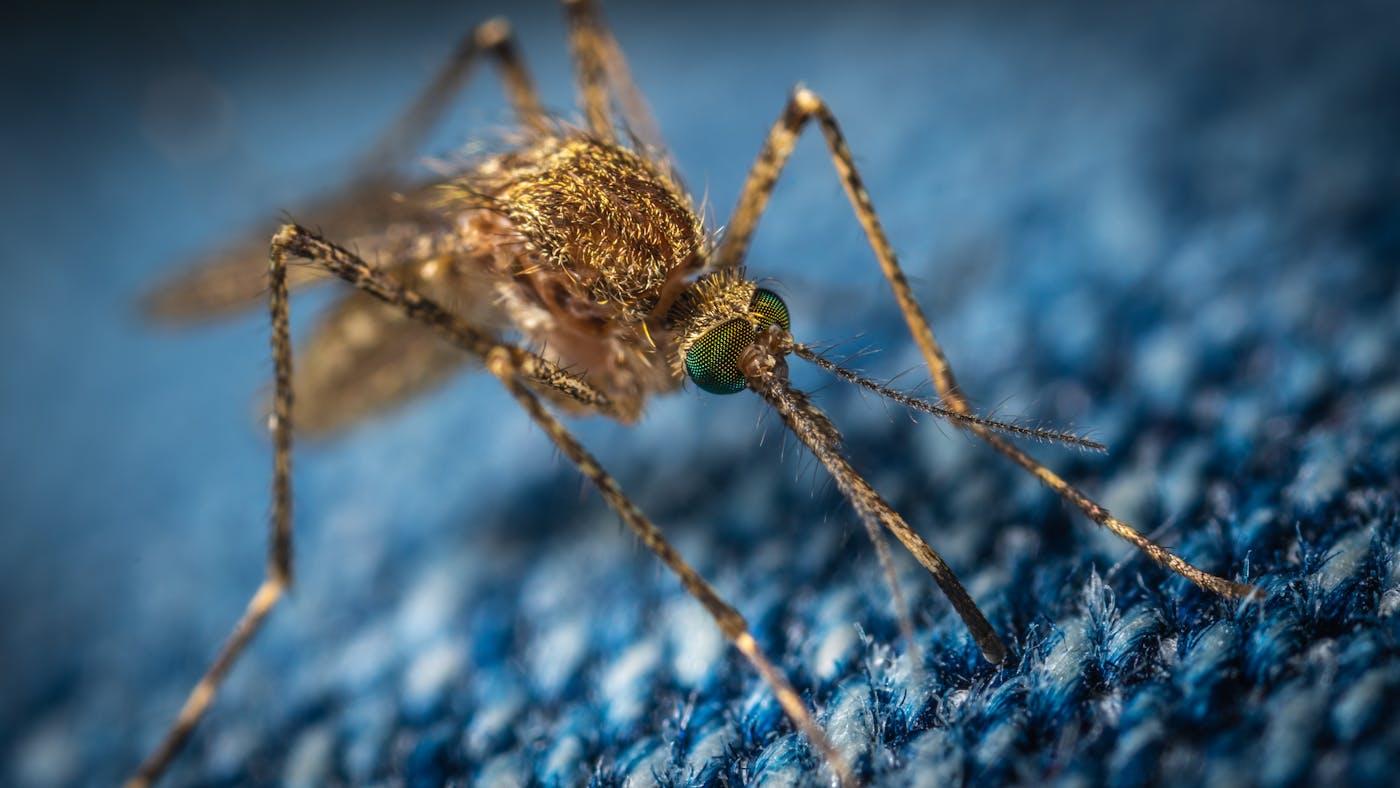
Antimalarial tablets are not generally recommended for the Philippines. There is a low malaria risk in rural areas below 600 metres on Luzon, Mindanao, Mindoro and Palawan, so if your route takes you into remote jungle or farmland in those provinces we will talk through bite avoidance and, occasionally, whether tablets are sensible for your specific plans. There is no malaria risk in Manila or other urban areas. Dengue, by contrast, is present across the whole country all year and the mosquitoes that carry it bite in the daytime, so repellent, covering up at dawn and dusk, and a treated net for budget rooms do a lot of the heavy lifting. We can also discuss the dengue vaccine if you have had dengue before.
- No malaria risk in Manila and urban areas; low risk only in specific rural provinces below 600m
- Use a 50% DEET repellent day and night, since dengue mosquitoes bite during the day
- Tell us if you have had dengue previously, as that affects vaccine suitability
FAQ
Philippines travel health: common questions
Ready to plan your Philippines trip?
Book a travel health consultation at our Timperley pharmacy and we will build a vaccine plan around your itinerary, from a fortnight of island-hopping to a longer rural stay. We are a GPhC-registered pharmacy and a registered Yellow Fever centre.