
Destination guide
Travel vaccines for Qatar
A practical guide for Doha stopovers, business trips and expat moves. Mostly routine cover, with a few extras worth discussing.
Overview
What vaccinations do I need for Qatar?
For most trips to Qatar, the priority is making sure your routine UK vaccinations are up to date, especially tetanus and MMR. Qatar is a high-income Gulf state with modern healthcare and good food and water standards in Doha, so the vaccine list is usually short.
Hepatitis A and B are worth considering for some travellers, and a few people will benefit from typhoid, rabies or tuberculosis cover depending on how and where they are living or working. There is no malaria risk, so anti-malarial tablets are not recommended. A short consultation lets us match the right cover to your itinerary.
Plan ahead
Book 4–6 weeks before you fly
Leaving a little time before travel means courses like hepatitis A and B can be started properly and any boosters given in good order. If your trip is sooner, still get in touch, as we can often help with accelerated schedules or last-minute advice.
Recommended vaccinations
Vaccines commonly advised for Qatar
These recommendations follow TravelHealthPro (UKHSA/NaTHNaC) guidance and are confirmed at a short consultation.
Tetanus
Most travellers
A routine booster if you are more than ten years since your last dose, useful cover for cuts and grazes on any trip.
Hepatitis A
Some travellers
Worth considering if you will eat widely outside international hotels or stay longer term, as it spreads through contaminated food and water.
Hepatitis B
Some travellers
Sensible for longer stays, expat relocations, or anyone who may need medical or dental care while in Qatar.
Measles (MMR)
Some travellers
Check you have had two lifetime doses, as measles still circulates and Doha is a busy international hub.
Rabies
Some travellers
Consider it for longer stays, work with animals, or trips into more remote areas where prompt treatment is harder to reach.
Tuberculosis
Some travellers
Mainly relevant for longer-term movers, healthcare workers and young children with close local contact.
Typhoid
Some travellers
Consider if you plan to eat more adventurously or stay for an extended period, as it spreads via contaminated food and water.
Entry rules — separate from your jabs
Yellow fever certificate: what Qatar requires
A yellow fever certificate requirement is a legal condition of entry — it is not the same thing as the vaccine being recommended for your health. The recommendation (when there is one) appears in the vaccine list above; the entry rule is below.
Flying direct from the UK? No yellow fever certificate needed for Qatar
Qatar only asks for a certificate (ICVP) from travellers aged 9 months+ who arrive from — or pass through — a country with yellow fever risk. That catches out multi-country itineraries, so check your whole route, not just your destination.
There is no yellow fever transmission risk in Qatar itself — this rule exists purely to stop the virus being carried in from elsewhere.
Malaria & mosquitoes
Malaria and mosquito-borne illness in Qatar
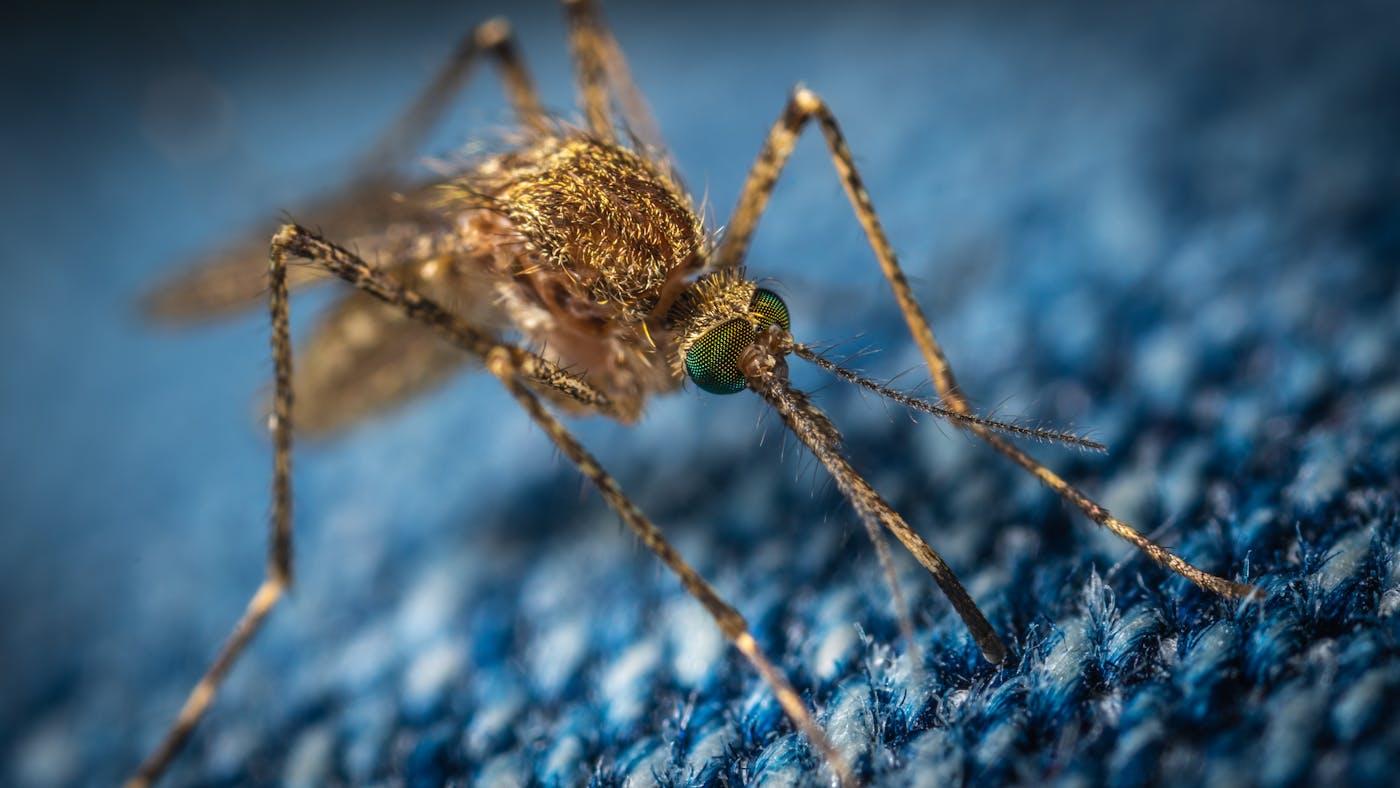
Qatar is not considered a malaria risk, so anti-malarial tablets are not generally recommended. Mosquitoes can still be present in some places, so simple bite avoidance remains sensible, particularly around water features and in the cooler months.
- No malaria tablets needed for Qatar
- Use repellent with 50% DEET where mosquitoes are active
- Cover up at dawn and dusk if you notice biting insects
FAQ
Qatar travel vaccines — FAQs
Getting ready for Qatar?
Whether it is a Doha stopover, a business trip or a full relocation, we will match your vaccines to your itinerary at our Timperley clinic. Book a short consultation and travel with confidence.