
Rwanda destination guide
Travel vaccines for Rwanda: gorilla permits, high hills and Lake Kivu
Small, tidy and mostly above 1,500 metres, Rwanda changes some of the usual East Africa advice and none of the malaria advice. What matters for Volcanoes, Nyungwe, Akagera or a Kigali stopover.
The short version
Do I need a yellow fever certificate and malaria tablets for Rwanda?
Probably not the certificate, definitely the tablets. Rwanda asks for a yellow fever certificate only from travellers aged one or over who arrive from a country with yellow fever transmission risk, and TravelHealthPro does not recommend the vaccine for Rwanda itself, where exposure potential is low. Malaria is the reverse: UK guidance grades the risk high across the whole country, so antimalarial tablets are advised for every itinerary, Kigali included. Hepatitis A, Typhoid and a Tetanus, Diphtheria and Polio booster cover most visitors, with Rabies and Hepatitis B depending on your plans.
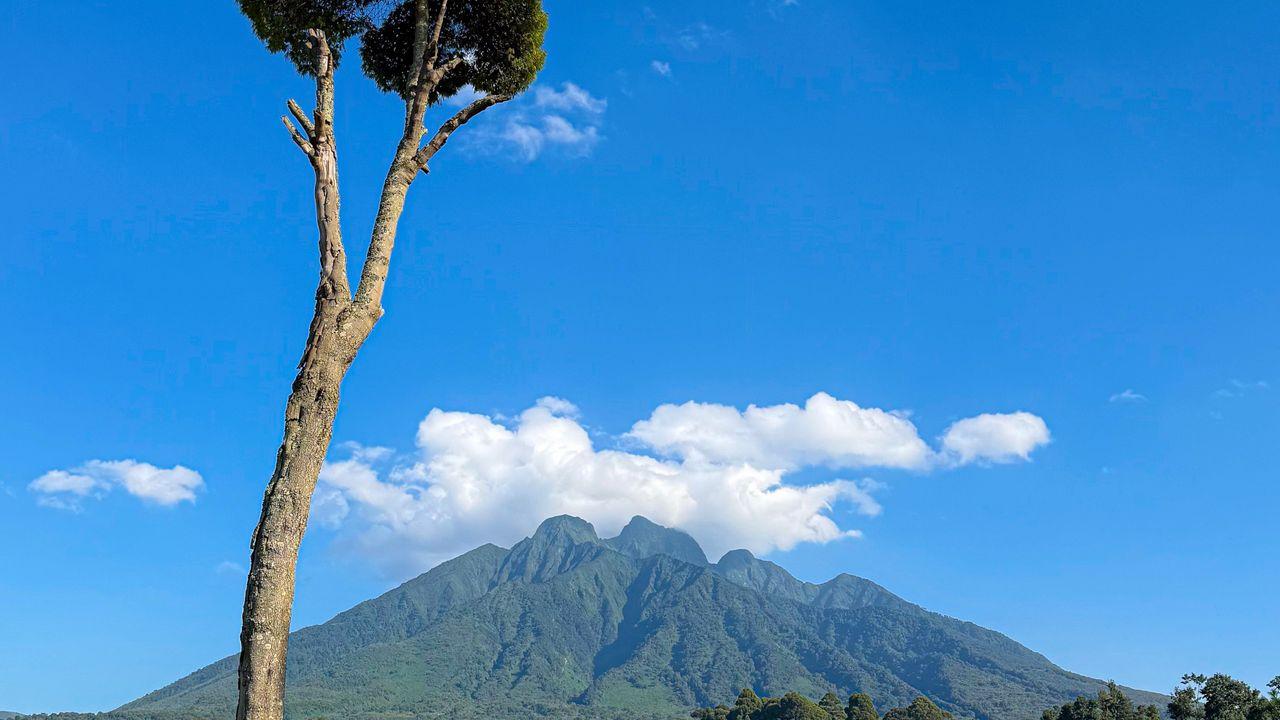
Rwanda packs a lot into a small country. A gorilla permit in Volcanoes National Park means a dawn start and a steep climb through bamboo at 2,500 metres or more, where altitude illness becomes possible. Nyungwe's canopy walk and chimp treks mean primates at close quarters. Akagera in the east is lower, hotter savannah with lakes, tsetse flies and more mosquitoes. Lake Kivu is freshwater in a country listed for schistosomiasis, so admire it from the shore. Kigali sits at roughly 1,500 metres, cool in the evenings and famously clean (plastic bags are banned, even in luggage).
Tell us if Uganda is part of the plan: enter Rwanda from Uganda and the certificate becomes a legal requirement. Bring the whole route to our Timperley pharmacy, two Metrolink stops from Altrincham, and we will check what the border will ask for and sort the certificate and antimalarials in one visit.
Timing
Permit date booked? Count back 28 days for rabies
Gorilla permits are issued for a fixed date, so the vaccine timeline runs backwards from it. The standard pre-exposure rabies course is three injections on days 0, 7 and 21 to 28, so the first appointment needs to be about a month out; a shorter schedule exists for some late bookers. Yellow fever only matters if you arrive from a risk country; the certificate must then be dated at least 10 days before you cross into Rwanda. Antimalarial tablets and the food-and-water vaccines need less notice, but not none: some antimalarial tablets have to be started weeks rather than days before you fly so we can check you tolerate them, so aim to see us four to six weeks before departure. Travelling sooner? Come in anyway — walk-ins seven days a week in Timperley.
The TravelHealthPro list
What is on the UK recommendation list for Rwanda?
These cards follow the TravelHealthPro snapshot for Rwanda: the first group covers nearly every visitor, the second depends on your itinerary, age and length of stay. Yellow fever appears as an entry rule, not a health recommendation.
Yellow Fever (including certificate)
Certificate rule
Not a health recommendation: the certificate is required from age one only if you arrive from a country with yellow fever transmission risk, such as Uganda or Kenya. We issue the ICVP on the day.
Hepatitis A
Most travellers
Lodge-to-lodge travel means meals you did not see prepared. Food- and water-borne, and on almost every Rwanda list.
Typhoid
Most travellers
Same route in as Hepatitis A. Worth having beyond a short, fully catered stay, especially for market food or long road days.
Tetanus, Diphtheria & Polio
Most travellers
Bamboo and nettles on the volcano slopes mean scratches far from a clinic. Booster advised if your last dose was ten or more years ago.
Hepatitis B
Some travellers
Considered for longer stays, volunteering, healthcare placements, or anyone whose trip makes hospital treatment abroad more likely.
Rabies
Some travellers
Reported in Rwanda's domestic animals; bats may carry rabies-like viruses. Advised for treks and remote lodges, and the three-dose course sets your booking timeline.
Chikungunya
Some travellers
Rwanda has not reported chikungunya but borders a country that has, so TravelHealthPro keeps it listed. The vaccine is not usually recommended here; daytime bite avoidance is what matters.
Cholera
Some travellers
Low risk for tourists. The oral vaccine is reserved for humanitarian workers and people going into outbreak areas without clean water.
Dengue
Some travellers
Present in Rwanda, spread by day-biting mosquitoes. The vaccine is only considered from age 4 for people who have had dengue before; daytime repellent protects everyone else.
Measles (MMR)
Some travellers
Check you have had two documented doses. Measles still circulates in the region, and a gorilla permit is wasted if you are turned away feverish.
Meningitis
Some travellers
Rwanda lies in the extended African meningitis belt. ACWY is advised for long stays with close local contact, healthcare work and certain immune or spleen conditions.
Tuberculosis
Some travellers
TB incidence is above the threshold at which BCG is considered for unvaccinated under-16s living in Rwanda for over three months; not relevant to a typical holiday.
Entry rules — separate from your jabs
Yellow fever certificate: what Rwanda requires
A yellow fever certificate requirement is a legal condition of entry — it is not the same thing as the vaccine being recommended for your health. The recommendation (when there is one) appears in the vaccine list above; the entry rule is below.
Flying direct from the UK? No yellow fever certificate needed for Rwanda
Rwanda only asks for a certificate (ICVP) from travellers aged 1 year+ who arrive from — or pass through — a country with yellow fever risk. That catches out multi-country itineraries, so check your whole route, not just your destination.
There is no yellow fever transmission risk in Rwanda itself — this rule exists purely to stop the virus being carried in from elsewhere.
Yellow fever
Why Rwanda's yellow fever rule is different from Uganda's
Unlike most of East Africa, Rwanda has only a low potential for yellow fever exposure and does not demand a certificate from everyone. TravelHealthPro says vaccination is generally not recommended for travel there; the entry rule is a certificate from travellers aged one year or over arriving from a country with risk of yellow fever transmission. If you need the dose, the certificate becomes valid 10 days after vaccination and, since the 2016 change to the International Health Regulations, a single dose lasts for life. We will not vaccinate anyone whose route does not require it, which matters most over 60 or in pregnancy.
- Direct, or via Brussels, Doha, Amsterdam or Heathrow: no certificate required
- Crossing from Uganda, or arriving from another risk country such as Kenya: certificate required from age one
- Airport transit through a risk country is a grey area: bring your booking

Malaria
Malaria in Rwanda: why altitude does not get you off the tablets
Rwanda's altitude fools people: cool Kigali evenings and high gorilla lodges suggest the mosquitoes have given up. TravelHealthPro disagrees: it grades malaria risk as high for Rwanda as a whole and recommends antimalarial tablets, with no exemption for the capital or the volcano parks. Three tablet options are listed; which suits you depends on your medical history, other medicines, pregnancy plans and side-effect tolerance, settled at the consultation. Whichever it is, you take it before, during and after the trip.
- Tablets advised for every itinerary, Kigali city breaks and gorilla lodges included
- Malaria mosquitoes feed dusk to dawn: 50% DEET, long sleeves at dinner, a treated net
- A fever of 38°C or more up to a year after return needs urgent medical attention

Activities
Gorilla permits, Nyungwe's canopy walk, Akagera and Lake Kivu
Four things come up on almost every Rwanda trip. Altitude: gorilla treks in Volcanoes National Park start at around 2,500 metres, the level at which altitude illness becomes possible, though a day trek sleeping lower keeps the risk modest; the Bisoke and Karisimbi summit hikes climb far higher and need a proper acclimatisation plan and, for some, prescription altitude-sickness medication. Rabies: primates, village dogs and forest bats are all around, and post-exposure treatment can be hours away. Tsetse: Akagera is classic tsetse country, the flies bite in daylight and are drawn to dark blue, and there is no vaccine for sleeping sickness. Lake Kivu: Rwanda is listed for schistosomiasis, no lake can be certified snail-free, and a swim means a blood test at least 12 weeks after your last freshwater contact.
- You can be refused a gorilla trek if you look unwell, so rest well the night before
- After any bite, scratch or lick: wash with soap for several minutes, then get medical help the same day, vaccinated or not
- Akagera game drives: light-coloured, permethrin-treated clothing and repellent through the day
- Altitude red flags: a headache that will not settle, unsteadiness, confusion or breathlessness at rest means go down and get medical help, not push on
FAQ
Rwanda travel health: questions from the consultation room
Sorting a Rwanda trip from Altrincham, Sale, Hale or anywhere in Trafford?
Bring the itinerary, permit date and flight routing to 250 Stockport Road, Timperley, WA15 7UN. As a registered Yellow Fever Vaccination Centre we issue the certificate on the spot if your route needs it, with vaccines and antimalarial tablets in the same visit. Open until 9pm Monday to Saturday and 6pm on Sunday, free parking, two Metrolink stops from Altrincham.