
Destination guide
Travel vaccines for Sierra Leone
A practical guide for UK travellers visiting family, working or volunteering in Sierra Leone, with clear advice on the yellow fever certificate and year-round malaria.
Overview
What vaccinations do I need for Sierra Leone?
Most UK trips to Sierra Leone are about family — Freetown, Bo, Makeni, weeks rather than days, meals at home rather than in hotels — and that VFR pattern shapes the health advice more than any brochure itinerary. A yellow fever certificate is required for entry, malaria runs year-round across the whole country at high risk, and longer stays with family raise the stakes for typhoid, hepatitis A and rabies. If you grew up in Sierra Leone, the protection you remember having does not survive years in the UK — returning travellers need the tablets and jabs as much as first-timers.
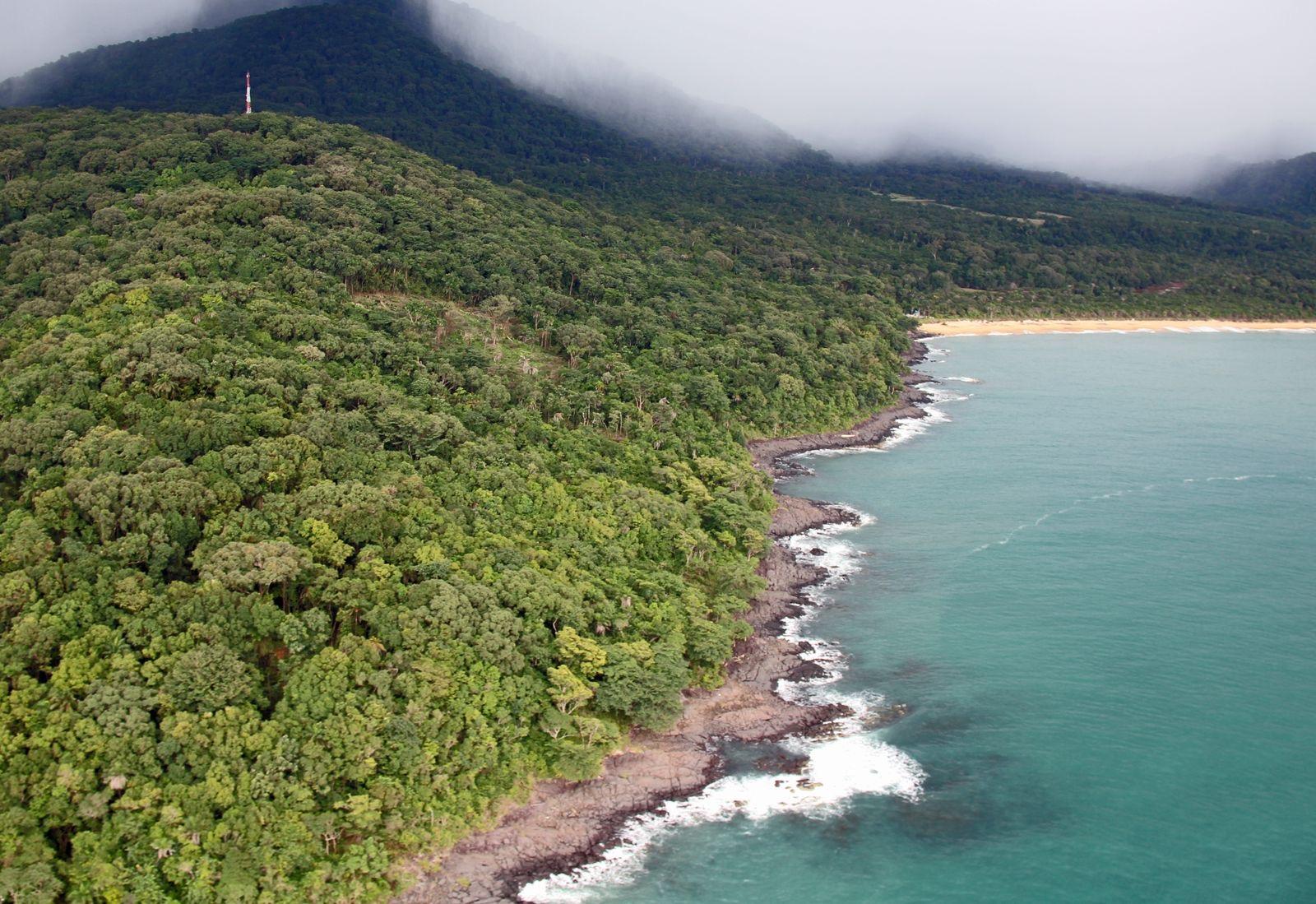
There's also a growing leisure side: the beaches of the Freetown peninsula, River No. 2 and Tokeh, the Banana Islands, and the Tacugama chimpanzee sanctuary. The advice holds either way — and the rainy season (roughly April/May to November, wettest July–September) is worth planning around, both for travel logistics and because mosquito activity climbs with the rains.
Plan ahead
Yellow fever first — the certificate needs 10 days
If this is your first yellow fever vaccination, the certificate only becomes valid 10 days after the dose, so that's the one deadline a Sierra Leone trip can't flex. (Already hold a yellow fever certificate? Since 2016 a single dose counts for life — you won't need another.) Build in 4–6 weeks where you can for multi-dose courses; travelling sooner, we can still issue the certificate in time for most trips and start your malaria tablets straight away.
Recommended vaccinations
Vaccines commonly advised for Sierra Leone
The list below follows TravelHealthPro (UKHSA/NaTHNaC) guidance and is tailored to your trip during your consultation.
Hepatitis A
Most travellers
Spread through contaminated food and water, which is a real risk on longer VFR and work stays.
Tetanus
Most travellers
Worth checking your booster is current, as wound care can be harder to access in rural areas.
Typhoid
Most travellers
Advised where food and water hygiene is variable, especially for extended stays with family.
Yellow fever
Most travellers
Required for entry to Sierra Leone; we are a registered Yellow Fever centre and can issue your certificate for you to present on arrival.
Chikungunya
Some travellers
Considered for some travellers depending on risk; daytime mosquito-bite protection remains important.
Cholera
Some travellers
May be advised for aid, healthcare or those staying in areas with poor sanitation.
Dengue
Some travellers
Discussed case by case; there is no simple prevention beyond avoiding daytime mosquito bites.
Hepatitis B
Some travellers
Recommended for longer stays, work, medical exposure or possible contact with blood or body fluids.
Measles (MMR)
Some travellers
Check you have had two documented doses, as measles still circulates in the region.
Rabies
Some travellers
Sensible for rural stays, longer trips or work with animals, as treatment after a bite can be hard to obtain.
Tuberculosis
Some travellers
Considered for longer stays and closer contact with local communities, particularly in younger travellers.
Entry rules — separate from your jabs
Yellow fever certificate: what Sierra Leone requires
A yellow fever certificate requirement is a legal condition of entry — it is not the same thing as the vaccine being recommended for your health. The recommendation (when there is one) appears in the vaccine list above; the entry rule is below.
Sierra Leone requires a yellow fever certificate from ALL arrivals
Every traveller aged 9 months or older must show a valid International Certificate of Vaccination or Prophylaxis (ICVP) — or a medical exemption letter — to enter Sierra Leone, whichever country they arrive from. The certificate becomes valid 10 days after vaccination, so plan ahead.
Separately, yellow fever transmission does occur in Sierra Leone — so the vaccine itself may be advised for your health; see the vaccine list above and we'll confirm at your consultation.
Malaria & mosquitoes
Malaria, mosquitoes and other fevers in Sierra Leone
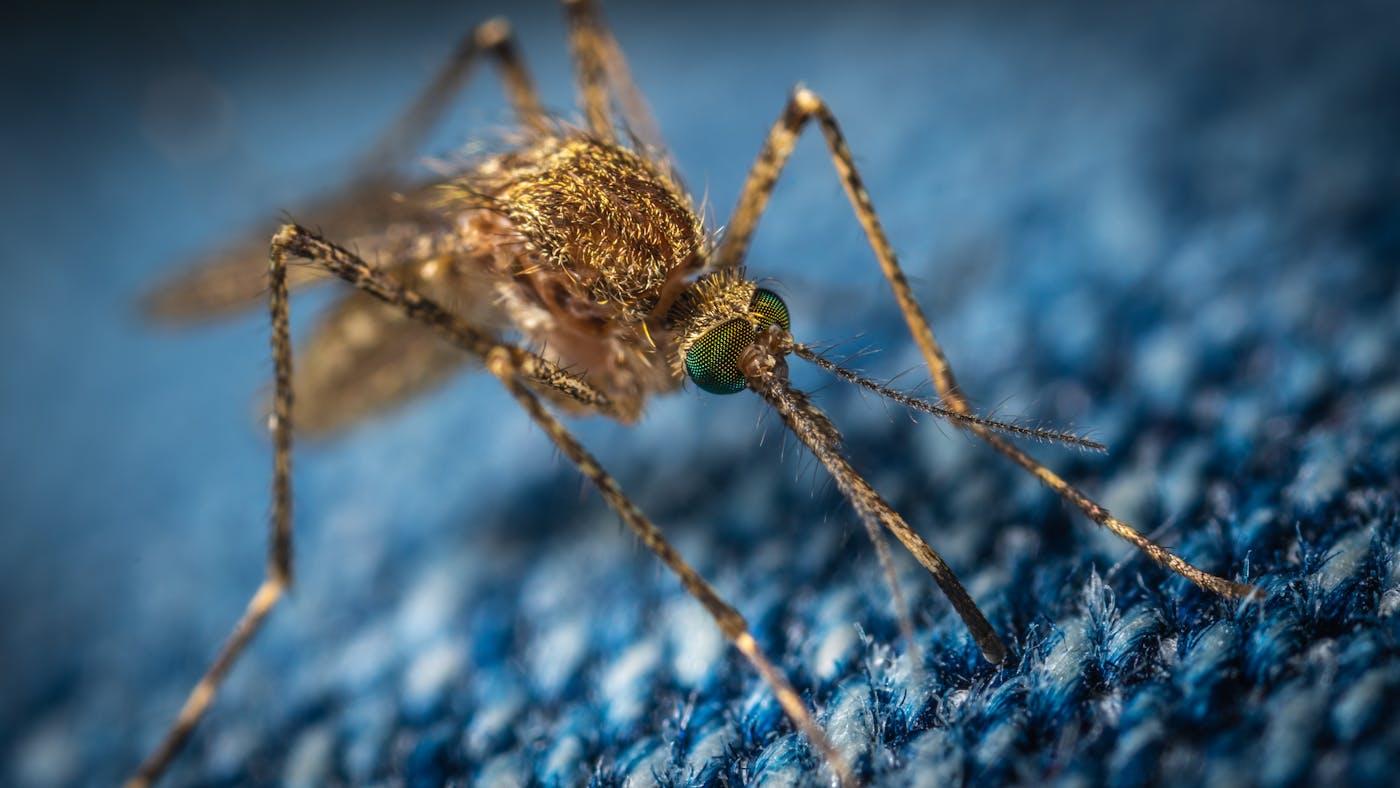
There is a high risk of malaria across the whole of Sierra Leone all year round, so antimalarial tablets are recommended for every traveller. We can advise on options including atovaquone/proguanil, doxycycline or mefloquine, matching the option to your health, budget and length of stay. VFR travellers are especially at risk, so please do not assume past exposure gives lasting protection. Sierra Leone also sits in West Africa's Lassa fever belt, where the virus is endemic and spread by rats through contaminated food and household surfaces rather than by mosquitoes, with the highest transmission in the eastern districts around Kenema and Kailahun. There is no licensed vaccine, and the risk to ordinary travellers is rated very low, so the sensible precautions are practical ones: store food in rodent-proof containers, avoid contact with rodents and their droppings, and seek medical care promptly for a persistent fever.
- Antimalarials advised: atovaquone/proguanil, doxycycline or mefloquine
- Use repellent with 50% DEET and cover up at dusk and dawn
- Sleep under a treated net and get any fever checked promptly
FAQ
Sierra Leone travel vaccines — FAQs
Getting ready for Sierra Leone?
Book a consultation at our Timperley clinic in Altrincham for your yellow fever certificate, malaria tablets and a plan tailored to your trip.