
Destination guide: Southern Africa
Travel vaccines for South Africa: Cape Town to Kruger
Most South African holidays never touch a malaria area. Here is how a Timperley pharmacist separates the Cape from the Kruger, what the Yellow Fever certificate rule really means, and why rabies deserves a second look.
Overview
Do I need vaccinations for South Africa?
Usually yes, but the list is short. For a Cape Town, Garden Route or Winelands holiday, most UK travellers need Hepatitis A, a tetanus, diphtheria and polio booster if theirs is out of date, and a check that they have had two doses of MMR. Typhoid is on TravelHealthPro's most-travellers list too, though it earns its place on longer trips, township visits and stays with family rather than a week of hotels.
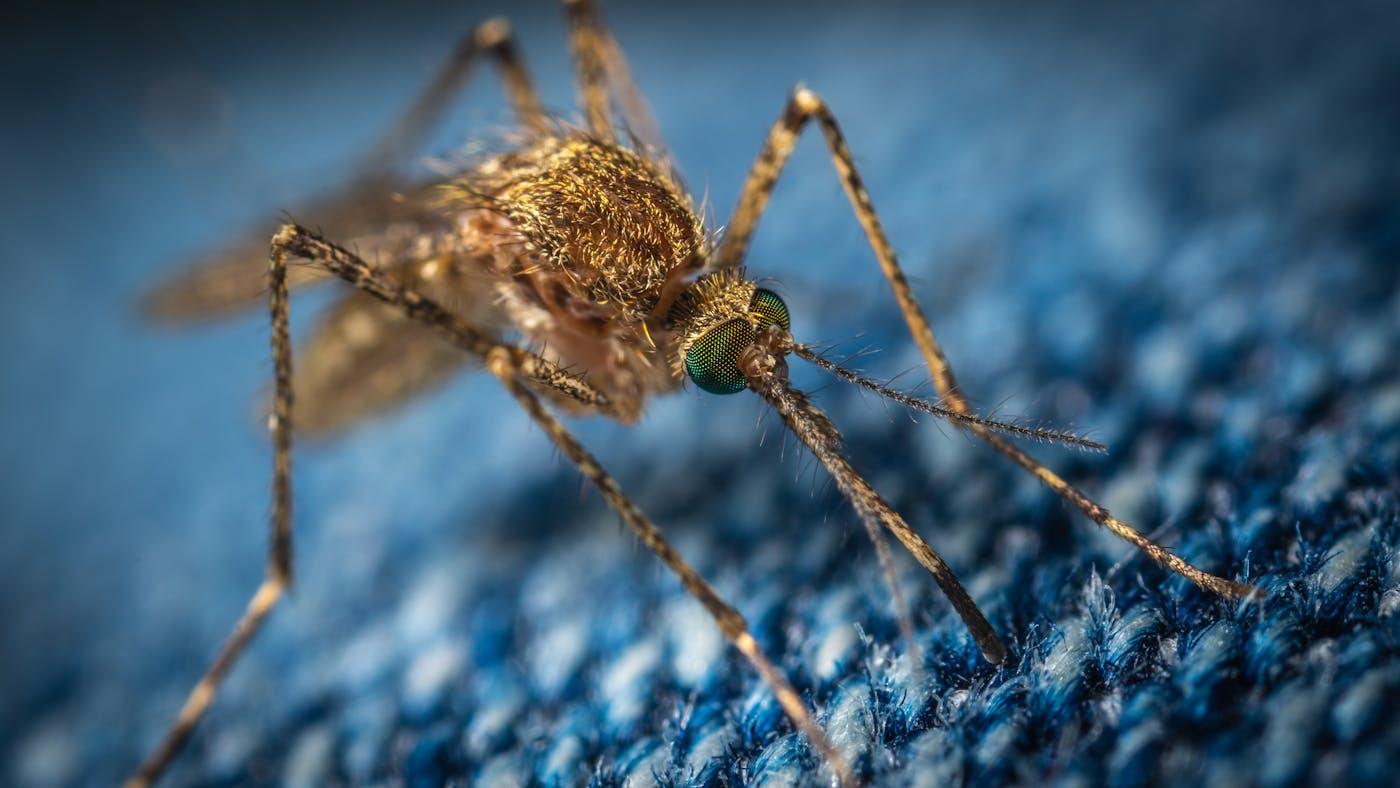
Malaria is where South Africa differs from most of sub-Saharan Africa. The Cape, the Garden Route, Johannesburg, Durban and the Drakensberg carry no malaria risk, so antimalarial tablets are not part of those trips. Tablets come into play for the low-lying north-east, meaning the Kruger National Park and the low-veld of Mpumalanga and Limpopo, and only from September to May.
Yellow Fever is a paperwork question: there is no yellow fever in South Africa, but you will be asked for a certificate if you arrive from a country that has it. Beyond the jabs, the two things we spend most time on at our Timperley clinic are rabies, present in South Africa's domestic animals and, since 2024, its Cape fur seals, and road safety, because road accidents are a leading cause of serious injury to travellers abroad.
Timing
Rabies is a three-visit course, so start it early
South Africa rarely needs months of lead time, but two things do. The rabies course is three doses over three to four weeks, so if Kruger, a surf holiday or a long stay is on the cards, book the first dose a month or more before you fly. Antimalarial tablets are started before you enter a malaria area, and some options need a longer run-in than others.
Arriving from a yellow fever country? The certificate only becomes valid 10 days after the injection. Everything else can be done in a single visit, and we see walk-ins seven days a week in Timperley.
Recommended vaccinations
Which vaccines does TravelHealthPro list for South Africa?
Three are advised for most people; the rest depend on how long you stay, where you sleep and what you do. We check the list against your actual itinerary and confirm it at your appointment. Recommendations follow TravelHealthPro (UKHSA/NaTHNaC).
Hepatitis A
Most travellers
Advised for a Camps Bay hotel and a Kruger rest camp alike: it spreads through food and water, and one dose before you fly covers the trip.
Tetanus, Diphtheria & Polio
Most travellers
Long drives, bush walks and Drakensberg hikes make cuts and grazes likely; check your tetanus, diphtheria and polio cover is current.
Typhoid
Most travellers
On the most-travellers list, but it earns its place on stays with family, township visits and eating well off the tourist trail.
Hepatitis B
Some travellers
Worth considering for longer stays, volunteering, healthcare placements or any trip where an accident could land you in a local hospital.
Rabies
Some travellers
Circulates in domestic animals, dogs above all, and since 2024 in Cape fur seals. Runners, cyclists, surfers, divers and anyone staying over a month should ask about the course.
Cholera
Some travellers
Rarely needed for tourist itineraries; the oral vaccine is reserved for aid work or stays where clean water cannot be relied on.
Measles (MMR)
Some travellers
Measles circulates at higher levels than in the UK. Two documented MMR doses are the check we make for everyone, especially sports tours and students.
Tuberculosis
Some travellers
BCG is considered for unvaccinated under-16s living in South Africa for more than three months; adults on long stays get practical TB advice instead.
Entry rules — separate from your jabs
Yellow fever certificate: what South Africa requires
A yellow fever certificate requirement is a legal condition of entry — it is not the same thing as the vaccine being recommended for your health. The recommendation (when there is one) appears in the vaccine list above; the entry rule is below.
Flying direct from the UK? No yellow fever certificate needed for South Africa
South Africa only asks for a certificate (ICVP) from travellers aged 1 year+ who arrive from — or pass through — a country with yellow fever risk, and airport layovers over 12 hours in a risk country count. That catches out multi-country itineraries, so check your whole route, not just your destination.
There is no yellow fever transmission risk in South Africa itself — this rule exists purely to stop the virus being carried in from elsewhere.
Malaria, mapped
Which parts of South Africa have malaria, and when?
Only the low-lying north-east. TravelHealthPro puts the Kruger National Park and the low-altitude parts of Mpumalanga and Limpopo, especially along the Mozambique, Eswatini and Zimbabwe borders, in the bracket where antimalarial tablets are advised, and only from September to May. From June to August the same areas are classed as very low risk, so the advice is bite avoidance rather than tablets. The far north-east corner of KwaZulu-Natal is low risk: bite avoidance, not tablets. Everywhere else, Cape Town included, there is no malaria at all. Which tablet suits you is settled at your consultation.
- Kruger and the low-veld, September to May: antimalarial tablets advised, started before you arrive
- Same areas June to August, and far north-east KwaZulu-Natal: bite avoidance rather than tablets
- Cape Town, Garden Route, Winelands, Johannesburg, Durban, Drakensberg: no malaria risk
Rabies
Why does rabies come up so often for South Africa?
Because the risk is real and treatment can be a long drive away. Rabies is present in South Africa's domestic animals, and dogs cause most human cases worldwide. Since 2024 it has also become established in Cape fur seals along the Northern, Western and Eastern Cape coasts as far as Algoa Bay, which is why TravelHealthPro now singles out surfers and divers alongside runners, cyclists and long-stay travellers. The pre-travel course is three injections over three to four weeks. Bitten, scratched or licked on broken skin? Wash the wound thoroughly and get medical help the same day, vaccinated or not; pre-vaccination means fewer follow-up doses and usually no immunoglobulin.
- Dogs are the main source: keep away from strays and do not let children pet animals
- Seals on Cape beaches and surf spots can be rabid; never approach one, however tame it looks
- Bitten? Wash for several minutes with soap and water, then seek urgent local care

Certificate rule
Is Yellow Fever a risk in South Africa?
No. There is no yellow fever transmission in South Africa, so the vaccine is never given for your own protection there. What South Africa has is an entry rule: anyone aged one year or over arriving from a country with yellow fever risk, or who has spent more than 12 hours in transit at an airport in one, must show a valid International Certificate of Vaccination or Prophylaxis. From Manchester via London, Dubai or Doha that rule never bites. It does if you tack Cape Town onto a Kenyan or Ugandan safari. Botswana, Namibia, Mozambique, Zambia and Tanzania are not yellow fever countries, so hopping between them and South Africa does not trigger it.
- Arriving from, or long-transiting, a yellow fever country such as Kenya or Uganda: certificate required from age 1
- One dose, certificate valid for life; have it at least 10 days before you reach the border that checks
- We are a registered Yellow Fever Vaccination Centre in Timperley and issue the certificate on the day (£75)

Related reading
Planning the rest of the trip
Safari vaccines across southern and East Africa
Adding Botswana, Zambia or Kenya to Kruger changes the malaria and certificate picture.
Mosquito bite protection that works
Repellent strength, clothing and nets for the low-veld.
Travel vaccines in pregnancy
Which vaccines and antimalarials are suitable, and how to plan around them.
FAQ
South Africa questions we hear most
Off to South Africa? Let's get the list right for your route
Bring your itinerary to 250 Stockport Road in Timperley and a pharmacist will tell you which vaccines actually apply, whether Kruger falls in tablet season for your dates, and whether your flights touch a yellow fever country. Walk in or book, seven days a week, with free parking on site.