
Destination guide
Travel vaccines for Tunisia
Heading to Sousse, Hammamet or Djerba, or venturing into the Sahara? Here is what UK travellers actually need to stay well.
Overview
What vaccinations do I need for Tunisia?
For most package holidays to Sousse, Hammamet or Djerba, the two things to sort out are hepatitis A and making sure your tetanus is up to date. Both cover the everyday risks of a beach and resort trip without any fuss.
Some travellers benefit from typhoid, hepatitis B and rabies too, particularly on longer stays, rural trips or Sahara excursions. There is good news on malaria: tablets are not generally recommended for Tunisia. Every recommendation here is general guidance from TravelHealthPro (UKHSA/NaTHNaC) and is confirmed at a short consultation before we vaccinate.
Plan ahead
Book 4–6 weeks before you fly
Leaving a little time means any courses can be completed and immunity has a chance to build before departure. If your trip is sooner, do not worry, come in anyway. There is usually still something useful we can do, even at short notice.
Recommended vaccinations
Vaccines commonly advised for Tunisia
These recommendations follow TravelHealthPro (UKHSA/NaTHNaC) guidance and are tailored to your trip at your appointment.
Hepatitis A
Most travellers
Spread through contaminated food and water, so it is sensible for nearly all trips, including all-inclusive resorts.
Tetanus
Most travellers
Worth checking you are within ten years, especially before quad biking, camel treks or active Sahara excursions where cuts can happen.
Hepatitis B
Some travellers
Considered for longer stays, adventure activities, or anyone who might need medical or dental care while away.
Measles (MMR)
Some travellers
Make sure you have had two lifetime doses, as measles still circulates and is very contagious.
Rabies
Some travellers
Advised for longer or rural trips, remote Sahara travel, and anyone likely to be around dogs, cats or other animals.
Typhoid
Some travellers
Sensible if you will eat outside resorts, stay with locals, or travel to areas with less reliable food and water hygiene.
Entry rules — separate from your jabs
Yellow fever certificate: what Tunisia requires
A yellow fever certificate requirement is a legal condition of entry — it is not the same thing as the vaccine being recommended for your health. The recommendation (when there is one) appears in the vaccine list above; the entry rule is below.
No yellow fever certificate is required to enter Tunisia
Tunisia does not ask arriving travellers for a yellow fever certificate, whatever your route.
There is no yellow fever transmission risk in Tunisia itself — this rule exists purely to stop the virus being carried in from elsewhere.
Malaria & mosquitoes
Malaria and mosquito-borne illness in Tunisia
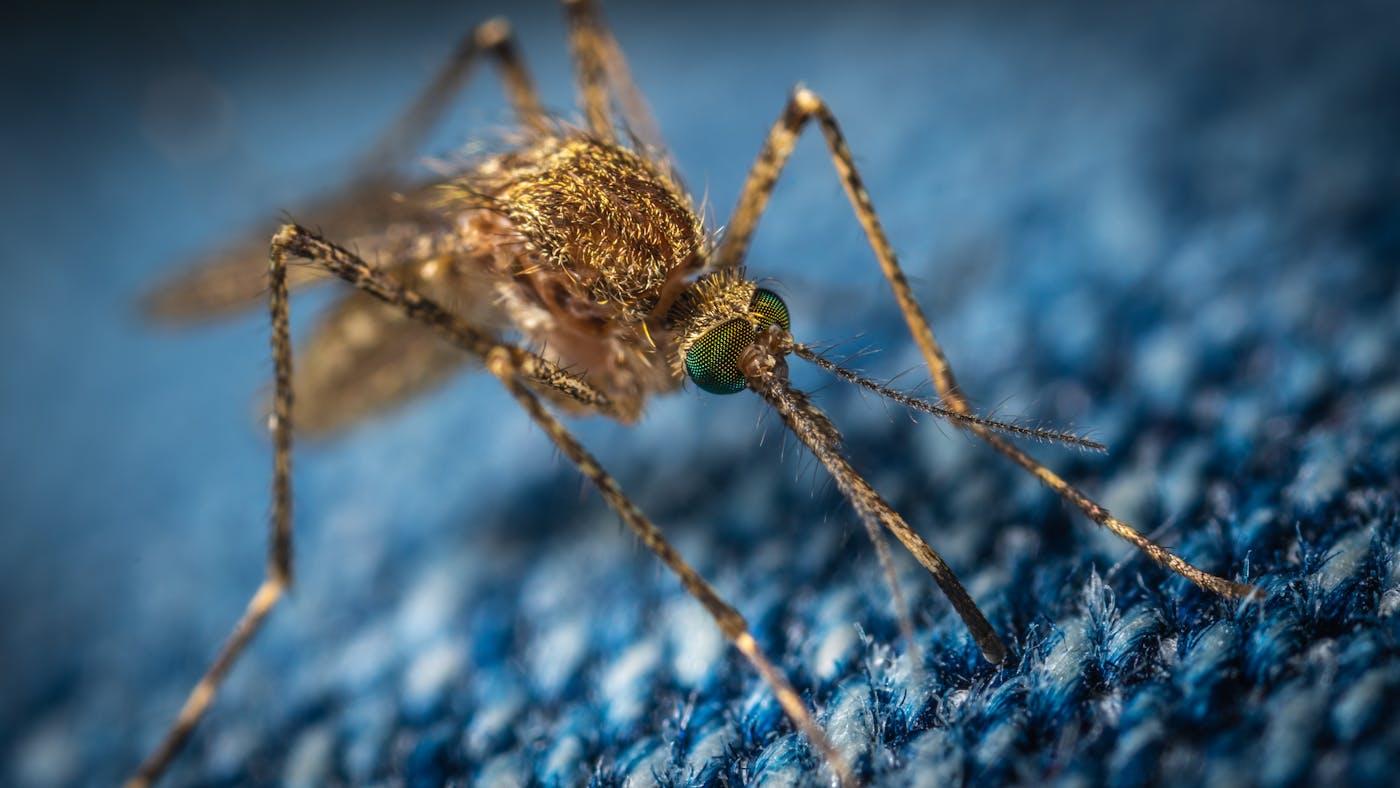
Reassuringly, malaria tablets are not generally recommended for Tunisia. Mosquitoes can still be around, particularly in the warmer months and near water, so simple bite avoidance keeps you comfortable and lowers the small risk of other insect-borne illness.
- Use insect repellent with DEET on exposed skin
- Cover up at dawn and dusk when bites are most likely
- Use air conditioning or screens where available
FAQ
Tunisia travel vaccines — FAQs
Getting ready for Tunisia?
Book a friendly travel health consultation at our Timperley clinic and we will tailor your vaccines to your trip. Serving Manchester, Trafford and South Manchester.