
Destination guide
Travel vaccines for Turkey
Whether you are heading for a coastal resort, exploring Istanbul, or travelling through the rural east, a quick check helps you go prepared. Most trips need routine cover plus hepatitis A.
Overview
What vaccinations do I need for Turkey?
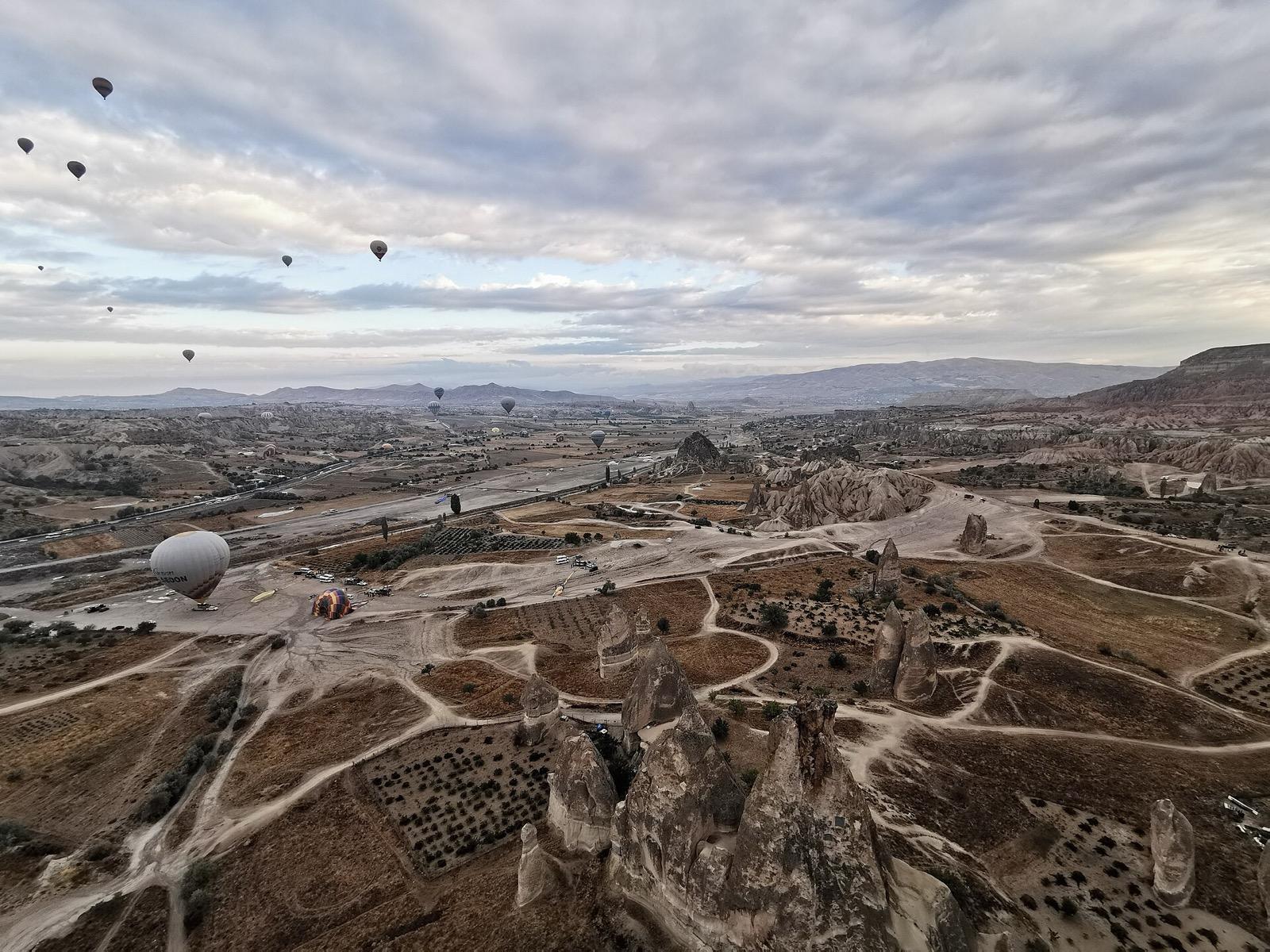
For most UK travellers, Turkey means making sure routine vaccinations are up to date and adding hepatitis A. Typhoid, hepatitis B and rabies are worth considering depending on where you are going and what you plan to do, and a measles (MMR) top-up is sensible if you have never had two documented doses.
The type of trip matters. An all-inclusive week on the Aegean or Mediterranean coast is generally low risk, while longer stays, rural travel in the east, working with animals or eating widely from street food can shift the picture. We tailor advice to your itinerary at a short consultation, following TravelHealthPro (UKHSA/NaTHNaC) guidance.
Plan ahead
Book 4–6 weeks before you fly
Leaving a little time means any courses that need more than one dose can be completed comfortably before departure. If your trip is sooner, still get in touch, as there is often useful protection we can arrange at shorter notice.
Recommended vaccinations
Vaccines commonly advised for Turkey
These recommendations follow TravelHealthPro (UKHSA/NaTHNaC) and are confirmed for your trip at a short consultation.
Hepatitis A
Most travellers
Spread through contaminated food and water, so advised for most travellers including those staying in resorts.
Tetanus
Most travellers
Make sure your routine tetanus cover is current, as cuts and grazes can happen anywhere from beaches to hiking trails.
Hepatitis B
Some travellers
Worth considering for longer stays, medical or dental care abroad, tattoos, piercings or new sexual partners.
Measles (MMR)
Some travellers
Recommended if you have not had two documented doses, as measles outbreaks continue to occur in the region.
Rabies
Some travellers
Consider it for rural travel, longer trips or contact with animals, since stray dogs and cats are common in some areas.
Typhoid
Some travellers
Advised where food and water hygiene may be less reliable, particularly for rural travel or eating widely from local outlets.
Malaria & mosquitoes
Malaria and mosquito-borne illness in Turkey
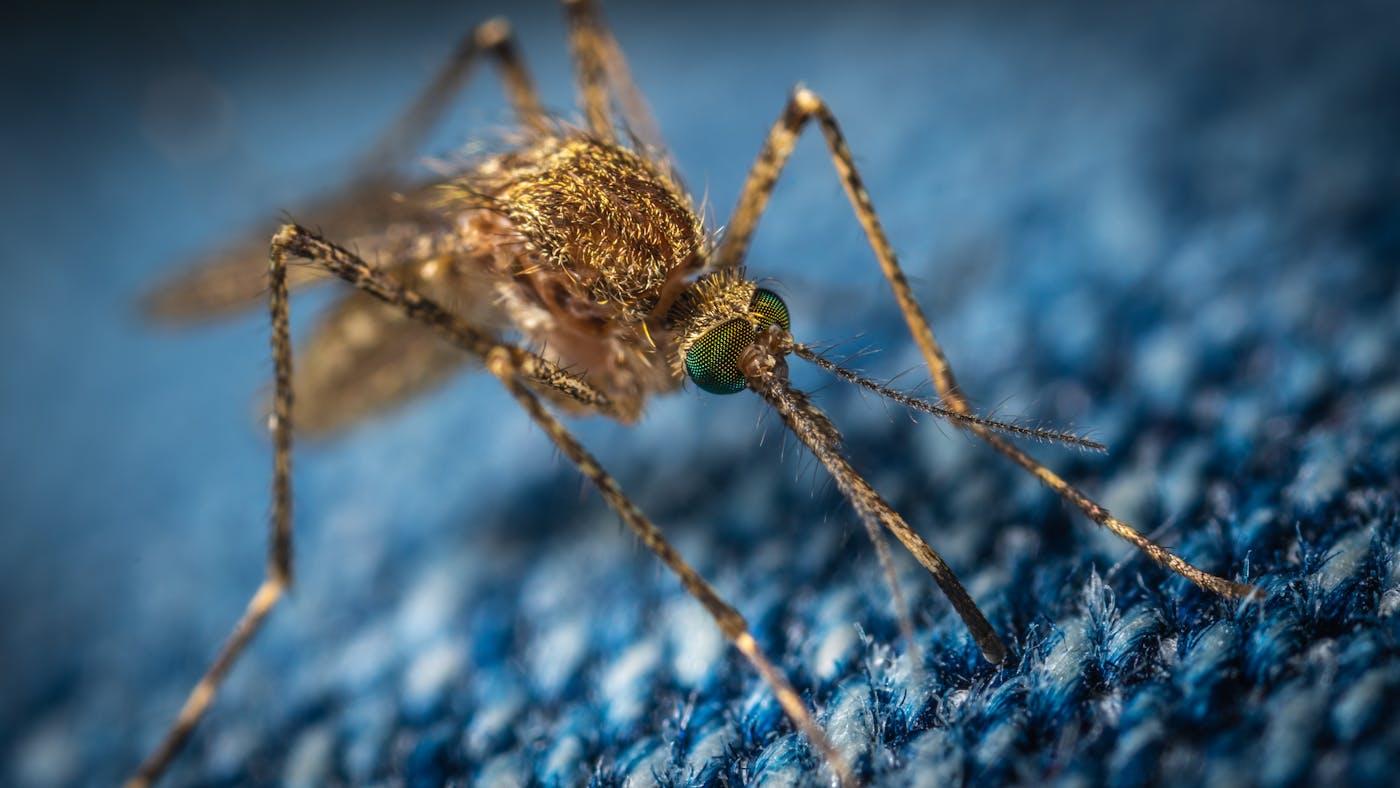
Malaria tablets are not generally recommended for Turkey. There is only very limited risk in the south-east of the country, and for most trips no antimalarials are needed. Bite avoidance still matters wherever mosquitoes are present, both for peace of mind and to reduce other insect-borne illness.
- Use a repellent containing 50% DEET on exposed skin
- Cover up at dawn and dusk when mosquitoes are most active
- Sleep in screened or air-conditioned rooms where possible
FAQ
Turkey travel vaccines — FAQs
Getting ready for Turkey?
Book a short consultation at our Timperley clinic and we will tailor your vaccines to your trip, following current TravelHealthPro guidance.