
Uganda destination guide
Travel vaccines for Uganda: gorillas, chimps and the Nile
Bwindi permits, Kibale chimps, Murchison Falls and rafting at Jinja each change the travel-health picture. Here is the Uganda-specific advice, from the yellow fever entry rule to why malaria tablets are advised everywhere.
Straight answer
What vaccinations do I need for gorilla trekking and safari in Uganda?
Two things set Uganda apart from most African trips. Yellow fever is a condition of entry, with a certificate required from every traveller aged one year or over whichever country you arrive from, and malaria risk is high across the whole country, so antimalarial tablets are advised on every itinerary. TravelHealthPro also lists Hepatitis A, Typhoid and a Tetanus, Diphtheria and Polio booster for most travellers, with Rabies, Hepatitis B, Cholera and Chikungunya depending on your plans.
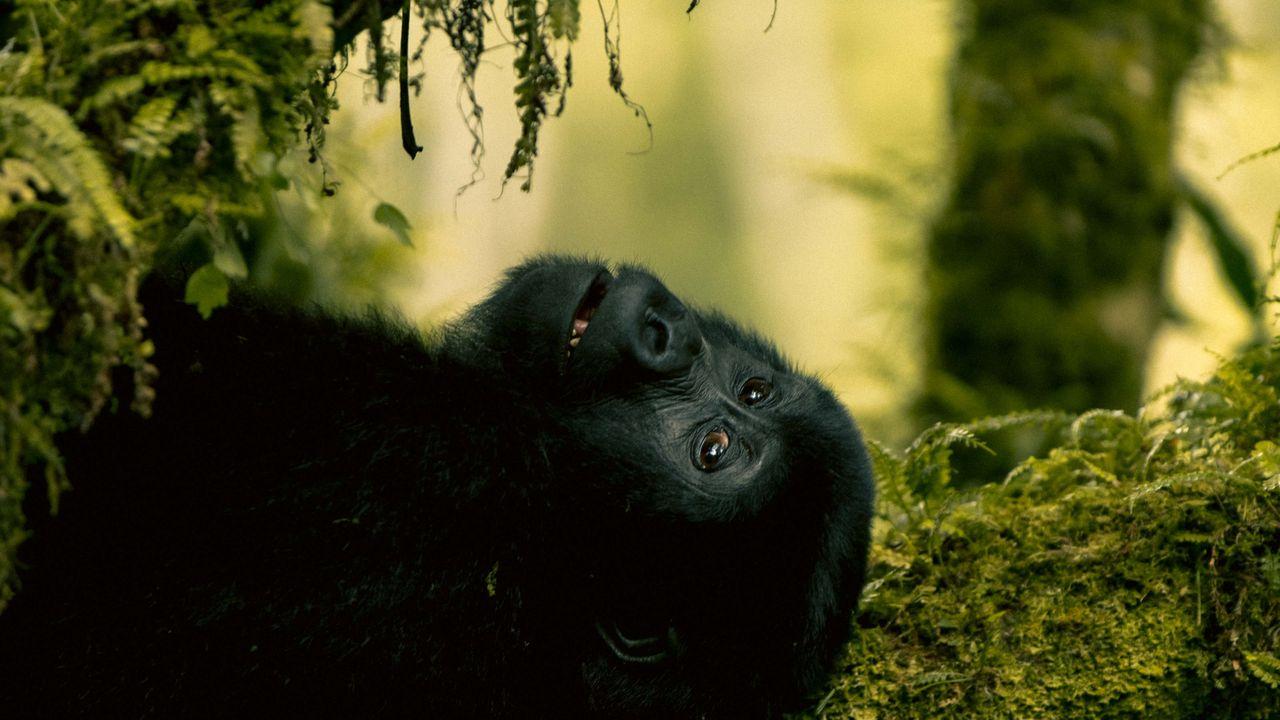
What you are doing matters more in Uganda than almost anywhere. A gorilla permit in Bwindi Impenetrable Forest means hours on steep, muddy slopes far from a hospital. Chimp tracking in Kibale and boat safaris below Murchison Falls bring you close to primates, bats and the Nile. Rafting at Jinja, where the river leaves Lake Victoria, is one of Africa's best-known freshwater exposures for schistosomiasis (bilharzia), which has no vaccine.
So the list is personal. Bring your itinerary to our Timperley clinic, a short drive from Altrincham, and we will work through it activity by activity, issue the yellow fever certificate on the day and match antimalarial tablets to your dates and medical history.
Timing
Trekking Uganda? Allow four weeks for the rabies course
If rabies is on your list, and for Bwindi or Kibale it often is, the standard pre-exposure course is three doses over 28 days, so book about a month before you fly. Yellow fever has its own rule: the certificate only becomes valid 10 days after the dose, and Uganda's border officials will look at the date. Left it late? Come in anyway: an accelerated rabies schedule exists for some travellers, and antimalarial tablets can be started in the days before departure. Walk-ins are welcome seven days a week in Timperley.
The TravelHealthPro list
Which vaccines does UK guidance list for Uganda?
These cards mirror the current TravelHealthPro recommendations for Uganda: the vaccines nearly everyone should have, then the ones that hinge on your activities, age and length of stay. It is the menu, not the order; what you need is settled at your consultation.
Yellow Fever (including certificate)
Required for entry
Vaccine advised from 9 months because the virus circulates; a certificate is a legal entry condition from age 1.
Hepatitis A
Most travellers
Meals on the road between lodges make food and water exposure hard to avoid; long-lasting and low-fuss.
Typhoid
Most travellers
Also food- and water-borne. Sensible beyond a short, fully catered lodge stay, and for Kampala street food.
Tetanus, Diphtheria & Polio
Most travellers
Forest trekking brings cuts and scrapes far from care. Top up if your last dose was ten or more years ago.
Hepatitis B
Some travellers
Considered for longer stays, volunteering or clinical placements, and anyone who might need hospital treatment after a fall.
Rabies
Some travellers
Bwindi and Kibale put you near bats and primates. The three-dose course sets how far ahead you need to book.
Chikungunya
Some travellers
Spread by day-biting mosquitoes, so repellent matters at lunchtime too. May be considered for some travellers aged 12 and over.
Cholera
Some travellers
Usually reserved for aid or healthcare work and long stays with uncertain water; careful food habits cover tourist routes.
Dengue
Some travellers
Present in Uganda. Considered for people aged 4 and over who have had dengue in the past, so it suits very few holiday travellers; we will go through your history at the consultation.
Measles (MMR)
Some travellers
Measles circulates in Uganda; check you have had two doses. Babies over 6 months can sometimes have an early dose.
Meningitis
Some travellers
Uganda lies within the extended African meningitis belt; ACWY is advised where your activities or a medical condition raise your risk.
Tuberculosis
Some travellers
Uganda reports a high TB rate. BCG only suits a small group, typically younger travellers living or working closely with locals for months.
Entry rules — separate from your jabs
Yellow fever certificate: what Uganda requires
A yellow fever certificate requirement is a legal condition of entry — it is not the same thing as the vaccine being recommended for your health. The recommendation (when there is one) appears in the vaccine list above; the entry rule is below.
Uganda requires a yellow fever certificate from ALL arrivals
Every traveller aged 1 year or older must show a valid International Certificate of Vaccination or Prophylaxis (ICVP) — or a medical exemption letter — to enter Uganda, whichever country they arrive from. The certificate becomes valid 10 days after vaccination, so plan ahead.
Separately, yellow fever transmission does occur in Uganda — so the vaccine itself may be advised for your health; see the vaccine list above and we'll confirm at your consultation.
Yellow fever
Why Uganda is a 'both' country for yellow fever
Some countries only ask for a certificate; others only carry the virus. Uganda does both. TravelHealthPro records yellow fever transmission risk throughout the country, so the vaccine is a genuine health recommendation from 9 months, and Uganda's entry rules require a certificate from every traveller aged one year or over, whichever country they arrive from. Since the 2016 change to the International Health Regulations one dose covers you for life, and the certificate is valid from 10 days after vaccination, which is the deadline to plan around.
- Certificate checked on arrival from age 1, even on connecting flights from Manchester
- Vaccine advised from 9 months because the virus is present across Uganda
- One dose, lifetime certificate, valid from day 10
- Over-60s, pregnancy and immune conditions need an individual risk assessment first

Malaria
Malaria from Bwindi to Murchison: high risk, every month
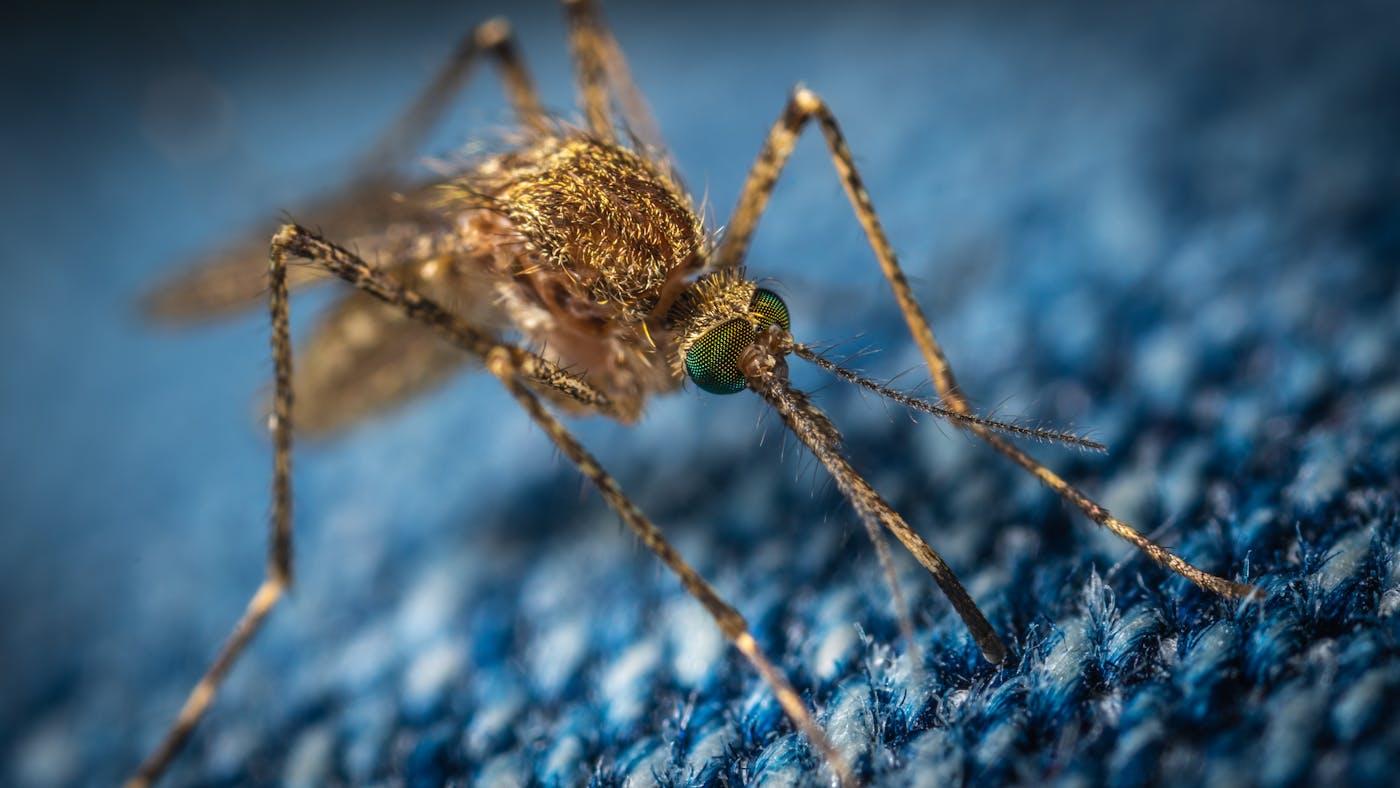
Uganda is not a country where altitude lets you skip the tablets. TravelHealthPro grades malaria risk as high for the whole of Uganda and recommends antimalarial tablets, with no lower-risk zones carved out for the gorilla parks or the capital. Which tablet suits you depends on your dates, other medicines, pregnancy plans and how you tolerate side effects, and is decided at your consultation. The mosquitoes that carry malaria feed mainly between dusk and dawn, so a treated net, repellent and covered ankles at dinner matter just as much.
- Antimalarial tablets advised for every Uganda itinerary, Kampala included
- Start before you travel and keep taking them after you return, exactly as directed
- 50% DEET repellent, an insecticide-treated net and long sleeves after sunset
- A fever of 38°C or more up to a year after you get back needs same-day medical care
Activities
Rafting the Nile, bats in Bwindi and steep forest trails
Three Uganda-specific conversations come up in almost every consultation. Freshwater: the Nile at Jinja and Lake Victoria are well-known sources of schistosomiasis, and rafting, kayaking or a swim from a sandbank all count as exposure; there is no vaccine or preventive tablet, so we arrange a blood test 8 to 12 weeks after you return if you got in the water. Rabies: reported in Uganda's domestic animals, with bats and primates adding forest risk, so the three-dose pre-exposure course is a sensible investment for treks far from a clinic. Altitude: most Bwindi trails sit below the 2,500 m mark where altitude illness usually begins; the Mgahinga volcanoes and the Rwenzori Mountains climb well beyond it.
- Avoid wading or swimming in rivers and lakes; chlorinated pools and the sea are fine
- After any bite, scratch or lick: wash for several minutes with soap and water, then get urgent medical help, even if vaccinated
- Rangers can turn away anyone with a cold or flu on the day of a gorilla trek
- Prescription altitude-sickness medication can be considered for Mgahinga or Rwenzori summits, alongside a gradual ascent
- Above 2,500 m a headache with sickness means stop climbing; confusion, unsteadiness or breathlessness at rest means descend and get help straight away

FAQ
Uganda travel health: the questions we hear in clinic
Sorting your Uganda trip from Timperley, Altrincham or anywhere in Trafford?
Bring your itinerary and permit dates to 250 Stockport Road, Timperley. We are open until 9pm Monday to Saturday and 6pm on Sunday, with free parking and the Timperley Metrolink stop two stops from Altrincham, and we can vaccinate, certify and dispense antimalarials in one visit for travellers across Trafford and Cheshire.