
Destination guide
Travel vaccines for Uzbekistan
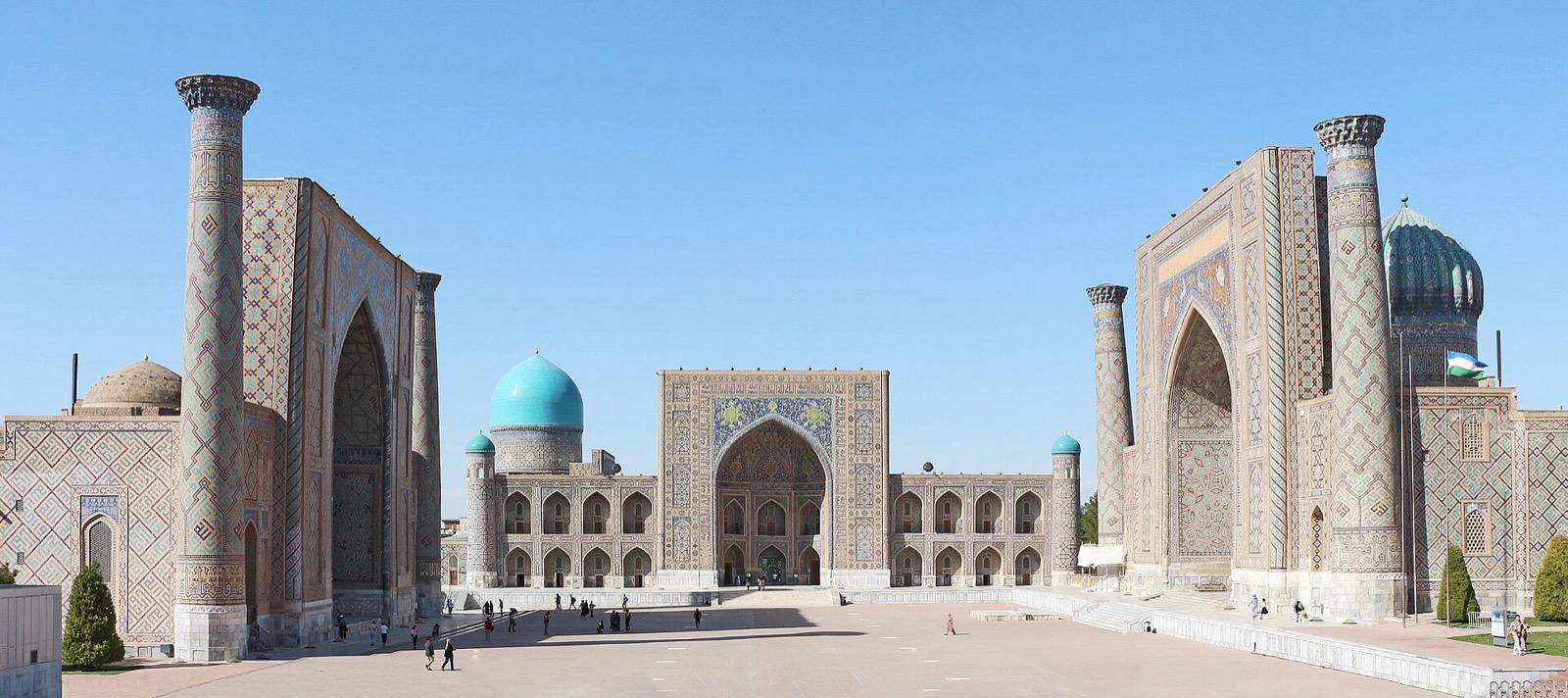
Planning Samarkand, Bukhara and Khiva? Here is what UK travellers need to stay healthy on the Silk Road, from vaccines to food and water advice.
Overview
What vaccinations do I need for Uzbekistan?
For most trips to Uzbekistan, hepatitis A and tetanus are the core vaccines to have up to date, since both are linked to food, water and everyday knocks and scrapes. Typhoid is often recommended too, especially if you will be eating widely from local markets and smaller kitchens along the classic Silk Road route through Samarkand, Bukhara and Khiva.
Depending on your plans, hepatitis B, measles (MMR), rabies and tuberculosis may also be worth discussing. Rabies in particular is worth planning for on longer or more rural trips where medical help may be hours away. Malaria tablets are not generally recommended for Uzbekistan. These are general guidelines from TravelHealthPro (UKHSA/NaTHNaC), and we will confirm exactly what you need at a short consultation.
Plan ahead
Book 4–6 weeks before you fly
Some vaccines, such as rabies and hepatitis B, work best as a short course over a few weeks, so it pays to plan early. If your departure is sooner, still get in touch. There is usually something useful we can do, and we will tailor advice to your itinerary at the consultation.
Recommended vaccinations
Vaccines commonly advised for Uzbekistan
Based on TravelHealthPro (UKHSA/NaTHNaC) guidance, here is what is typically considered for travel to Uzbekistan.
Hepatitis A
Most travellers
Spread through contaminated food and water, which is a real risk when sampling street food and local dishes across Uzbekistan.
Tetanus
Most travellers
Worth boosting if it has been over ten years, as cuts and grazes can happen anywhere from bustling bazaars to desert fortresses.
Hepatitis B
Some travellers
Considered for longer stays, medical or aid work, or anyone who may need treatment, tattoos or intimate contact while away.
Measles (MMR)
Some travellers
Make sure you have had two MMR doses, as measles still circulates in the region and spreads easily in crowded places.
Rabies
Some travellers
Advised for longer trips, cycling or rural travel where dogs roam and reliable post-exposure treatment may be far away.
Tuberculosis
Some travellers
May be relevant for longer stays or close contact with local communities, particularly for younger travellers not previously vaccinated.
Typhoid
Some travellers
Often recommended given the food-and-water risk, especially if you plan to eat away from larger hotels and restaurants.
Entry rules — separate from your jabs
Yellow fever certificate: what Uzbekistan requires
A yellow fever certificate requirement is a legal condition of entry — it is not the same thing as the vaccine being recommended for your health. The recommendation (when there is one) appears in the vaccine list above; the entry rule is below.
No yellow fever certificate is required to enter Uzbekistan
Uzbekistan does not ask arriving travellers for a yellow fever certificate, whatever your route.
There is no yellow fever transmission risk in Uzbekistan itself — this rule exists purely to stop the virus being carried in from elsewhere.
Malaria & mosquitoes
Malaria and mosquito-borne illness in Uzbekistan
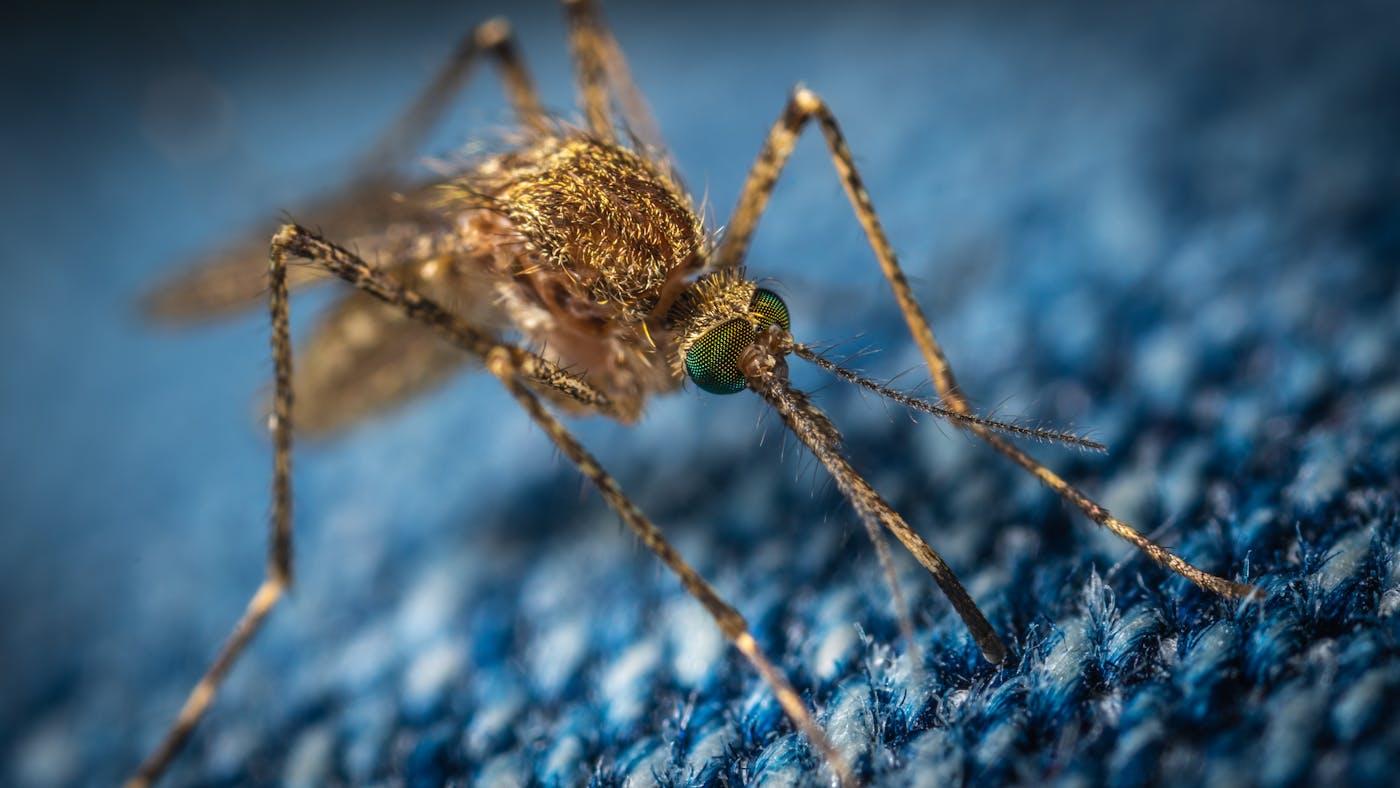
Antimalarial tablets are not generally recommended for Uzbekistan. Mosquitoes can still be present in some areas, so simple bite avoidance is sensible, particularly around water and in warmer months. Protecting yourself from bites also reduces the nuisance of other insects while travelling.
- Use an insect repellent containing DEET on exposed skin
- Cover up at dawn and dusk when mosquitoes are most active
- Choose air-conditioned or screened rooms where you can
FAQ
Uzbekistan travel vaccines — FAQs
Getting ready for Uzbekistan?
Book a short consultation at our Timperley clinic and we will build a vaccine and travel-health plan around your Silk Road itinerary. Serving Manchester, Trafford and South Manchester.