
Destination guide · Zambia
Travel vaccines and malaria tablets for Zambia
Livingstone and the Falls, a walking safari in South Luangwa, a canoe on the Lower Zambezi or a houseboat on Lake Kariba: here is what our Timperley pharmacists usually advise for Zambia, and why malaria tablets come first.

Overview
Do I need vaccinations and malaria tablets for Zambia?
Yes on both counts. UK guidance recommends Hepatitis A and Typhoid for most visitors to Zambia, a tetanus, diphtheria and polio booster if yours is out of date, and antimalarial tablets for the whole country, Lusaka and Livingstone included. Rabies vaccination deserves serious thought if you are walking in South Luangwa or paddling the Lower Zambezi, because help after a bite can be a long drive away.
Yellow fever is where Zambia trips get confusing. Zambia is not on the WHO list of yellow fever risk countries and TravelHealthPro does not generally recommend the vaccine for Zambia itself, but you will be asked for a certificate if you arrive from a risk country or spend more than 12 hours in one of its airports en route. Via Johannesburg, Dubai or Doha, no certificate. After a long layover in Nairobi or Addis Ababa, or a stop in Kenya or Uganda, yes.
Based on current TravelHealthPro (UKHSA/NaTHNaC) and NHS travel health advice. We are at 250 Stockport Road, Timperley, two Metrolink stops from Altrincham, and the exact tablets and vaccines for your itinerary are confirmed at a consultation, usually the same day.
Timing
Give the rabies course four weeks, and start malaria tablets before you land
The pre-travel rabies course is three doses, usually over 28 days, so for a Luangwa walking safari or a Lower Zambezi canoe trip aim to see us four to six weeks before departure. Antimalarial tablets start before you arrive, and a yellow fever certificate, if your route needs one, must be issued at least 10 days before you travel. Down to the last week? Come in anyway: a shortened rabies schedule and same-day antimalarial tablets are both possible in Timperley. The one thing we cannot speed up is a new yellow fever certificate, because it only becomes valid 10 days after the vaccine is given, so if your route needs one tell us as early as you can.
Recommended vaccinations
Which vaccines does TravelHealthPro list for Zambia?
These cards mirror the current TravelHealthPro recommendations for Zambia, sorted by how many travellers they apply to. Yellow Fever sits apart: for Zambia it is an entry paperwork rule, not a health recommendation.
Hepatitis A
Most travellers
Food- and water-borne, and recommended for every unvaccinated visitor, whether you are eating at a Livingstone hotel or a bush camp in the Luangwa valley.
Typhoid
Most travellers
Advised for most Zambia trips, especially beyond the main lodges, staying with family or eating from local kitchens.
Tetanus, Diphtheria & Polio
Most travellers
One combined jab. Tetanus matters where a scratch is easy and hospitals are far; Zambia has also reported circulating vaccine-derived poliovirus, so check the polio part is current.
Yellow Fever (including certificate)
Certificate rule
A certificate is required from anyone aged 1 or over arriving from a yellow fever risk country or after a 12-hour-plus airport transit in one. Direct from the UK, none is needed, and the vaccine is not generally recommended for Zambia itself.
Hepatitis B
Some travellers
Zambia has intermediate or high hepatitis B prevalence, so worth having for longer stays, volunteering, medical placements or anything that might end in stitches.
Rabies
Some travellers
Reported in domestic animals across Zambia, and bats can carry related viruses. Sensible for walking safaris, canoe trips, cycling around Livingstone and stays of a month or more.
Cholera
Some travellers
Low risk for holidaymakers; the oral vaccine is mainly for aid workers or anyone heading into an outbreak area with limited clean water.
Dengue
Some travellers
Present in Zambia and spread by a day-biting mosquito found mostly around towns. The vaccine is only considered for people aged 4 and over who have had laboratory-confirmed dengue before.
Measles (MMR)
Some travellers
Measles still circulates in Zambia. Adults need two documented MMR doses; babies from 6 months may be advised an early dose before travel.
Tuberculosis
Some travellers
BCG is usually only discussed for under-16s spending three months or more living with local families or in healthcare settings; a short safari does not need it.
Entry rules — separate from your jabs
Yellow fever certificate: what Zambia requires
A yellow fever certificate requirement is a legal condition of entry — it is not the same thing as the vaccine being recommended for your health. The recommendation (when there is one) appears in the vaccine list above; the entry rule is below.
Flying direct from the UK? No yellow fever certificate needed for Zambia
Zambia only asks for a certificate (ICVP) from travellers aged 1 year+ who arrive from — or pass through — a country with yellow fever risk, and airport layovers over 12 hours in a risk country count. That catches out multi-country itineraries, so check your whole route, not just your destination.
There is no yellow fever transmission risk in Zambia itself — this rule exists purely to stop the virus being carried in from elsewhere.
Malaria
Why are malaria tablets non-negotiable for Zambia?
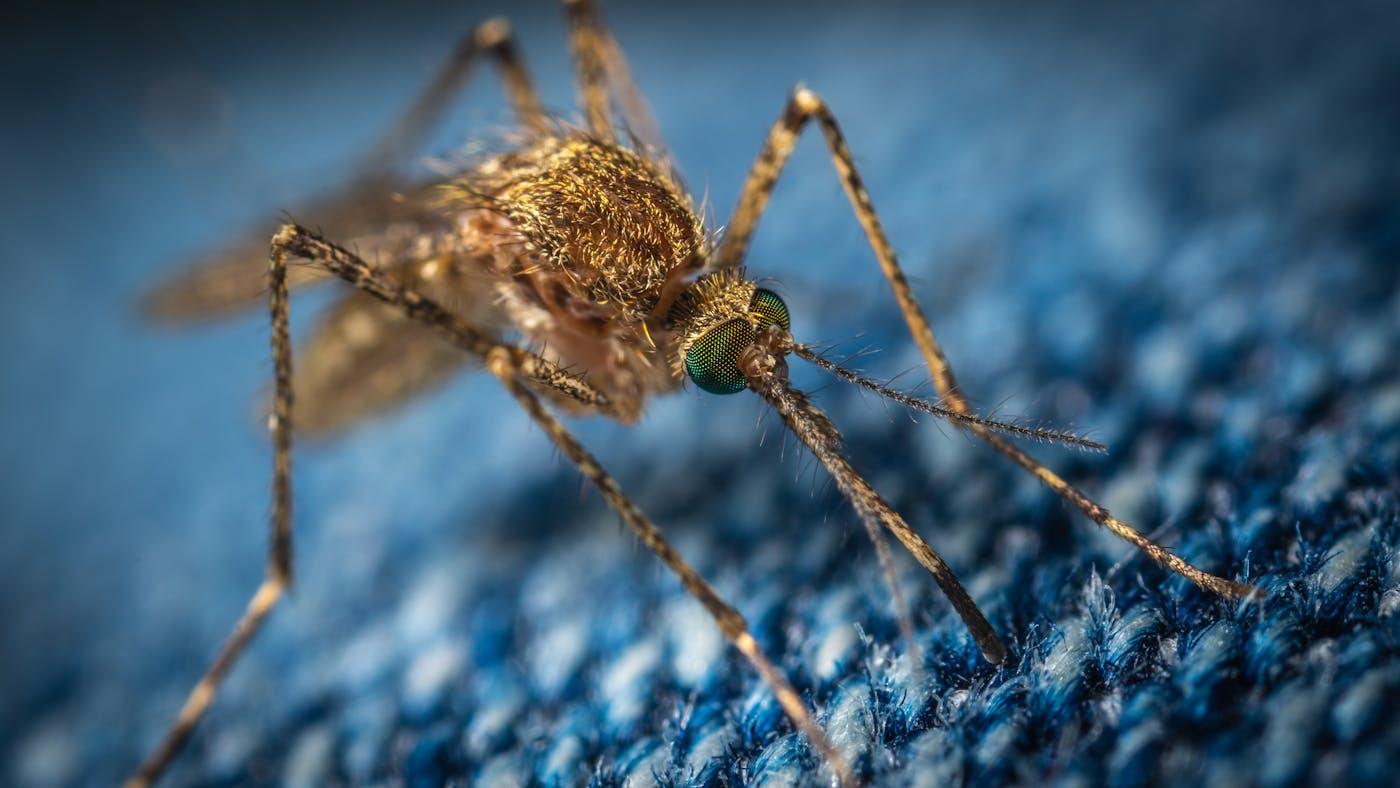
TravelHealthPro rates the whole of Zambia as high risk for malaria with no safer season, city or region: Lusaka, Livingstone, the Luangwa and Zambezi valleys and Lake Kariba are all included. Three antimalarial options are recommended; which suits you depends on your medical history, trip length and whether children are coming. Tablets start before you arrive and continue after you leave, so this is not one to leave until the week before you fly.
- Antimalarial tablets for every Zambia itinerary, including a Lusaka stopover
- Bite avoidance from dusk to dawn: repellent, long sleeves and a treated net
- A fever of 38°C or more from a week after arrival, or any time within a year of coming home, needs same-day medical attention until malaria is ruled out
Yellow Fever
Is yellow fever a certificate rule or a vaccine recommendation for Zambia?
A certificate rule, for most people. Zambia is not on the WHO list of countries with yellow fever transmission, and TravelHealthPro does not generally recommend the vaccine for Zambia itself, noting only a low potential for exposure in the North-Western and Western provinces. What Zambia does enforce is the entry rule: a certificate from anyone aged 1 or over arriving from a risk country, or after more than 12 hours in transit at one of its airports. As a registered Yellow Fever Vaccination Centre we issue the certificate on the day; it becomes valid 10 days after the jab and lasts for life.
- No certificate needed flying direct from the UK, or via Johannesburg, Dubai or Doha
- Needed after Kenya, Uganda or Ethiopia, or a 12-hour-plus layover in Nairobi or Addis Ababa
- Aged 60 or over: UK guidance says the yellow fever vaccine should not be given for travel to Zambia, because it is not recommended for the country and the risk of serious side effects rises with age. If your route still triggers the certificate rule, bring your itinerary and we will talk through the options with you
- Pregnant or immunosuppressed? Yellow fever vaccine only goes ahead after an individual assessment, so tell us before you book

Rabies, rivers and the bush
What else should I plan for on a Zambia safari?
Walking safaris in South Luangwa and canoe trips on the Lower Zambezi are why people choose Zambia, and why rabies and water safety come up in nearly every Zambia consultation we do. Rabies is reported in domestic animals across the country, bats can carry related viruses, and post-exposure treatment from a remote camp is rarely straightforward. Fresh water is the quieter risk: the Zambezi, Lake Kariba and the Luangwa lagoons all carry a schistosomiasis (bilharzia) risk, and that includes a dip in Devil's Pool.
- Pre-travel rabies course: three doses, usually over 28 days, with shorter schedules if time is tight
- Any bite, scratch or lick from a mammal: wash thoroughly with soap and water and get urgent medical help, vaccinated or not
- Avoid swimming, paddling or washing in lakes and rivers; chlorinated pools and the sea are safe
Related reading
Useful before a Zambia trip
Mosquito bite protection that actually works
Repellent strengths, treated nets and what to wear at dusk in the Luangwa valley.
Travellers' diarrhoea: prevention and a self-care kit
Food and water habits for bush camps and river trips.
Seeing the Falls from Zimbabwe as well?
Crossing to the Zimbabwean side is common; it has its own guide.
FAQ
Zambia travel health questions we are asked in clinic
Ready for Livingstone, Luangwa or the Lower Zambezi?
Book a travel consultation at 250 Stockport Road, Timperley. We are open until 9pm Monday to Saturday, take walk-ins and same-day appointments, and can sort malaria tablets, the rabies course and a yellow fever certificate in one visit, with free parking outside.