
Destination guide
Travel vaccines for Bangladesh
Practical, up-to-date advice for UK travellers heading to Bangladesh, whether you're visiting family, travelling for business, or exploring the country.
Overview
What vaccinations do I need for Bangladesh?
For most trips to Bangladesh, hepatitis A, typhoid and tetanus are the core vaccinations to have in place, mainly because of the risk of food- and water-borne infection. Depending on where you're going and what you'll be doing, you may also be advised to consider rabies, hepatitis B, Japanese encephalitis, cholera, dengue, chikungunya, measles (MMR) or tuberculosis.
Travellers visiting friends and relatives (VFR) and those spending longer in rural areas often need more protection than people picture. Staying with family, eating home-cooked food and having close contact with animals and children can raise the risk profile. Malaria tablets are recommended for the Chittagong Hill Tracts, and dengue is a year-round concern in the cities. A short consultation lets us tailor everything to your itinerary.
Plan ahead
Book 4–6 weeks before you fly
Some vaccines, such as rabies and Japanese encephalitis, need more than one dose over a few weeks, and malaria tablets should be started before departure. Booking 4 to 6 weeks ahead gives us time to complete courses comfortably, though we can still help with last-minute trips.
Recommended vaccinations
Vaccines commonly advised for Bangladesh
These recommendations follow TravelHealthPro (UKHSA/NaTHNaC) general guidance and are confirmed for your trip at a short consultation.
Hepatitis A
Most travellers
Spread through contaminated food and water, which is common across Bangladesh, so this is advised for almost all travellers.
Tetanus
Most travellers
Worth updating if it's been over ten years, as wounds abroad can be harder to treat promptly.
Typhoid
Most travellers
Recommended given the food and water hygiene risks, especially for VFR travellers eating home-prepared meals.
Chikungunya
Some travellers
Spread by daytime-biting mosquitoes; may be considered for some travellers based on risk and eligibility.
Cholera
Some travellers
Considered for those visiting areas with poor sanitation, working in relief or after flooding, or at higher personal risk.
Dengue
Some travellers
Dengue is common in Dhaka and other cities; vaccination may suit some travellers with prior infection, assessed individually.
Hepatitis B
Some travellers
Advised for longer stays, healthcare or intimate contact, and anyone who may need medical or dental care while away.
Japanese encephalitis
Some travellers
Considered for longer or repeated visits to rural and rice-growing areas, particularly during and after the monsoon.
Measles (MMR)
Some travellers
Check you've had two doses; measles still circulates, and VFR travellers with young children should confirm their status.
Rabies
Some travellers
Dog bites are a real risk and reliable post-bite treatment can be hard to find, so pre-travel doses are worth discussing.
Tuberculosis
Some travellers
May be considered for some longer-stay travellers or those with close prolonged contact in higher-risk settings.
Entry rules — separate from your jabs
Yellow fever certificate: what Bangladesh requires
A yellow fever certificate requirement is a legal condition of entry — it is not the same thing as the vaccine being recommended for your health. The recommendation (when there is one) appears in the vaccine list above; the entry rule is below.
Flying direct from the UK? No yellow fever certificate needed for Bangladesh
Bangladesh only asks for a certificate (ICVP) from travellers aged 1 year+ who arrive from — or pass through — a country with yellow fever risk, and any airport layover in a risk country counts, however short. That catches out multi-country itineraries, so check your whole route, not just your destination.
There is no yellow fever transmission risk in Bangladesh itself — this rule exists purely to stop the virus being carried in from elsewhere.
Malaria & mosquitoes
Malaria and mosquito-borne illness in Bangladesh
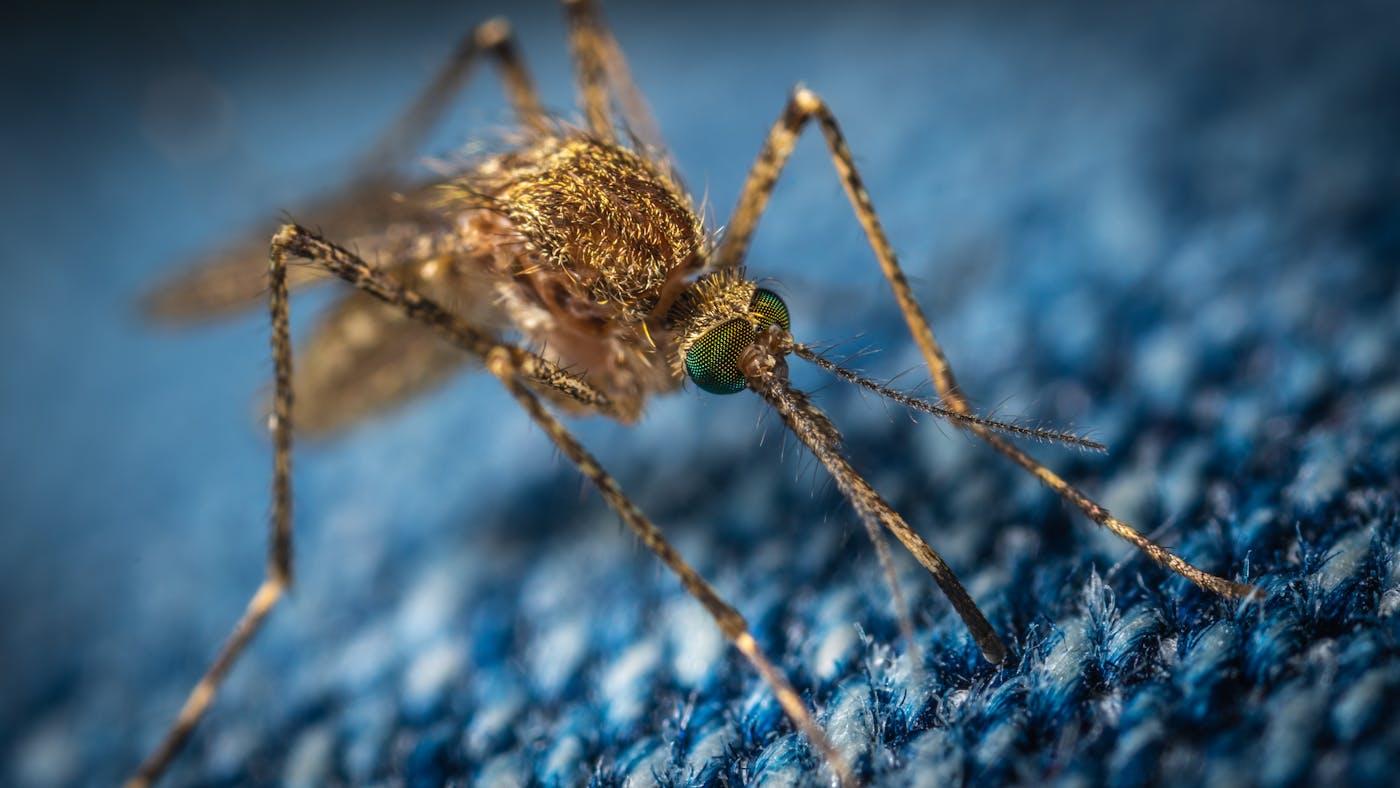
There is a high risk of malaria in the Chittagong Hill Tract districts, where antimalarial tablets are recommended: atovaquone/proguanil, doxycycline or mefloquine. The rest of Bangladesh, including Chittagong city, is very low risk. Dengue and chikungunya are spread by daytime-biting mosquitoes and are common in the cities, so bite avoidance matters everywhere.
- Antimalarials advised for the Chittagong Hill Tracts
- Use DEET repellent day and night, plus a treated net
- Cover up at dawn and dusk to cut dengue risk
FAQ
Bangladesh travel vaccines — FAQs
Getting ready for Bangladesh?
Book a short consultation at our Timperley clinic and we'll build a plan around your destinations, dates and reasons for travel. Serving Manchester, Trafford and South Manchester.