
Bali, Lombok, Java & the eastern islands
Bali and Indonesia travel vaccines, island by island
Bali is not the whole of Indonesia. A Seminyak villa, a Gili boat trip, a Rinjani summit and a Papua trek each need different advice, and rabies is the decision that matters most.

Overview
Which vaccines do I actually need for Bali?
For a typical Bali holiday, three things: Hepatitis A, Typhoid, and a Tetanus, Diphtheria and Polio booster if your last one was over ten years ago. The first two cover the food-and-water route behind Bali belly; the third covers scooter grazes and reef cuts. The fourth decision is rabies: TravelHealthPro reports it in Indonesia's domestic animals, Bali's street dogs are everywhere, and the macaques at Ubud and Uluwatu bite the hand holding the bag they want.
The risk changes as you head east. Bali, Lombok, Java and Sumatra are low malaria risk, so bite avoidance rather than tablets is the advice for most people; Papua (Irian Jaya) is high risk and tablets are recommended. Flores, Komodo and Sulawesi sit outside the named low-risk list, so bring the full route.
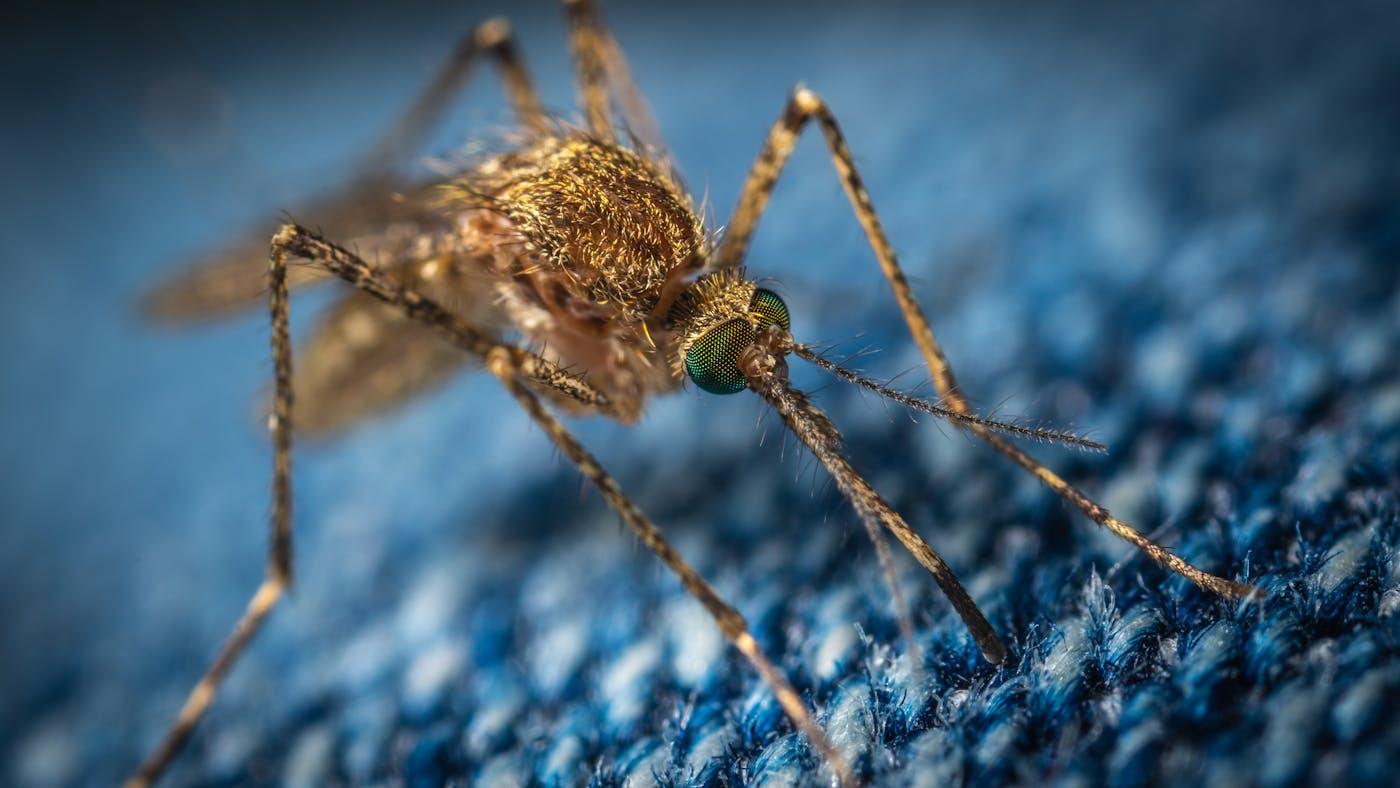
Dengue, chikungunya and Zika are present all year and spread by daytime-biting mosquitoes, so repellent goes on with the sun cream. Japanese encephalitis is a rural, dusk-to-dawn risk that mainly concerns longer stays. All of it is confirmed for your own trip at our Timperley pharmacy, minutes from Altrincham.
Timing
Rabies needs three visits in three to four weeks; Hepatitis A needs one
If rabies is on your list, that sets the timetable: three injections on days 0, 7 and 28, with the third possible from day 21, so five weeks before you fly is comfortable. Left it late? There is a shorter schedule on days 0, 3 and 7, completed by a further dose at one year. Japanese encephalitis, if it applies, is two doses 28 days apart (seven days for adults aged 18 to 65), finished at least a week before exposure.
Hepatitis A, Typhoid and the tetanus booster are single injections, so even the week before departure is worth a visit. A yellow fever certificate only matters if you arrive from a yellow fever country, say after a Kenyan safari; it is valid from ten days after the injection and then for life.
Recommended vaccinations
What does TravelHealthPro list for Indonesia, and who is each one for?
The first three apply to almost every Indonesian trip; the rest depend on how long you stay, how rural you go and what you will be doing. Your list is settled at consultation and mirrors TravelHealthPro's current advice.
Hepatitis A
Most travellers
Food and water, the same route as Bali belly. One injection covers the trip; a later booster extends cover for years.
Typhoid
Most travellers
Same route. Worth it for warungs and street food; not complete protection, so hand hygiene still matters.
Tetanus, Diphtheria & Polio
Most travellers
Scooter grazes and reef cuts are tetanus routes. Booster if your last dose was over ten years ago.
Rabies
Some travellers
Reported in Indonesia's domestic animals; monkeys cause around a quarter of traveller exposures. A full course beforehand simplifies treatment after a bite.
Hepatitis B
Some travellers
For stays of a month or more, or where a dive or scooter accident could mean local hospital treatment.
Japanese Encephalitis
Some travellers
Year-round across Indonesia but a rural, dusk-to-dawn risk. Considered for a month or more, farm or rice-paddy stays and open-ended itineraries.
Chikungunya
Some travellers
Cases rose sharply across 19 provinces in 2025. Day-biting mosquitoes; the vaccine may be considered from age 12 for longer stays or outbreaks.
Dengue
Some travellers
Present all year. The vaccine is only for people aged 4 and over with a previous laboratory-confirmed dengue infection; otherwise daytime repellent is the protection.
Measles (MMR)
Some travellers
Measles still circulates in Indonesia. Check for two documented doses; infants from six months can have an early dose.
Tuberculosis
Some travellers
BCG only for under-16s staying three months or more, or healthcare placements.
Entry rules — separate from your jabs
Yellow fever certificate: what Indonesia requires
A yellow fever certificate requirement is a legal condition of entry — it is not the same thing as the vaccine being recommended for your health. The recommendation (when there is one) appears in the vaccine list above; the entry rule is below.
Flying direct from the UK? No yellow fever certificate needed for Indonesia
Indonesia only asks for a certificate (ICVP) from travellers aged 9 months+ who arrive from — or pass through — a country with yellow fever risk. That catches out multi-country itineraries, so check your whole route, not just your destination.
There is no yellow fever transmission risk in Indonesia itself — this rule exists purely to stop the virus being carried in from elsewhere.
Rabies
Why is rabies the vaccine that matters most for Bali?
Two reasons: exposure and treatment. Street dogs sleep under warung tables and on Canggu's beaches, the temple monkeys at Ubud and Uluwatu bite when chased, and a survey cited by TravelHealthPro found dogs behind most possible rabies exposures in travellers and monkeys behind a quarter. Someone unvaccinated needs rabies immunoglobulin as well as a full vaccine course, and immunoglobulin may be unavailable in some parts of the world. Three pre-travel doses mean a bite still needs urgent wound care and further vaccine doses, but immunoglobulin is usually no longer needed — with the exception of travellers who are immunosuppressed, who are managed individually. We would suggest it for scooter riders, monkey-forest visitors, families and any stay of a month or more.
- Any bite, scratch or lick on broken skin: flush under a running tap for several minutes, soap, disinfectant, then urgent medical help
- Unvaccinated: immunoglobulin plus a full vaccine course; already vaccinated: usually further vaccine doses only
- Course: three injections on days 0, 7 and 21 to 28, or a 7-day schedule if time is short

Bali belly & mosquitoes
How do I avoid Bali belly, and what protects me from dengue?
Bali belly is travellers' diarrhoea by another name, and most cases are bacteria in food or water rather than anything a vaccine prevents; Hepatitis A and Typhoid cover the two serious infections on the same route. The rest is habit: bottled or filtered water for drinking and teeth, food served hot, fruit you peel yourself, and caution with ice, salads and smoothie bowls rinsed in tap water. Pack rehydration sachets, and see a doctor for a fever, blood in the stool or symptoms still going after a few days. Dengue is the other daily reality: no vaccine for most travellers, and the Aedes mosquito feeds by day, so repellent is the protection. Symptoms start four to ten days after a bite, so a fever within a fortnight of getting home means a call to NHS 111. And if your trip took in Papua or anywhere else with malaria risk, treat any fever as urgent however long after you get back — malaria can appear up to a year later — and tell whoever sees you exactly where you have been.
- Bottled or filtered water, food served hot, fruit you peel yourself
- Dengue mosquitoes bite by day: repellent on with the sun cream
- Fever after Indonesia: call NHS 111 or your GP the same day and say where you travelled — urgent at any point in the year after a malaria area
Beyond Bali
Does the advice change for Lombok, the Gilis, Komodo, Rinjani or Papua?
Yes, and the further east you go the more it changes. Malaria: Bali, Lombok and the Gilis, Java and Sumatra are low risk, so bite avoidance is the advice, though tablets may still be considered for pregnant travellers, the over-70s, anyone immunosuppressed and long stays; Papua is high risk and tablets are recommended. Flores, Komodo and Sulawesi are not on the named low-risk list, so a liveaboard from Labuan Bajo gets an individual check, and being hours from a hospital strengthens the case for rabies cover and Hepatitis B. Altitude: Mount Batur is well under 2,500 metres, but Rinjani's summit on Lombok is 3,726 metres, high enough for altitude sickness, so climb steadily. If a headache, sickness or breathlessness starts, rest where you are and do not go higher; go down straight away if it gets worse, or if anyone becomes confused, unsteady or breathless at rest. Ask us about prescription altitude-sickness medication before you go. Water: TravelHealthPro lists schistosomiasis for Indonesia, so swim in the sea rather than rivers or lakes. Reef cuts get infected fast: clean and cover them the same day, and never dive with a cold or an ear infection.
- Malaria: low risk in Bali, Lombok, Java and Sumatra; high risk in Papua, where tablets are recommended
- Rinjani (3,726 m) is high enough for altitude sickness; rest, don't go higher, and descend if symptoms worsen
- Fresh water carries schistosomiasis risk: swim in the sea
FAQ
Bali and Indonesia: what travellers ask us in clinic
Flying out from Manchester to Denpasar?
Bring your flight dates, the islands on the itinerary and any regular medicines to 250 Stockport Road, Timperley, Altrincham WA15 7UN. We are open until 9pm Monday to Saturday and 6pm on Sunday, with free parking and the Timperley Metrolink stop two stops from Altrincham, so a three-visit rabies course fits around work: walk in or book a same-day slot.