
Destination guide
Travel vaccines for Laos
A practical, pharmacist-written guide for UK travellers heading to Laos, from the temples of Luang Prabang to the rivers and rice fields of the rural south. We cover the vaccines worth considering, why Japanese encephalitis and rabies matter on adventurous trips, and how to handle the real day-to-day risk: mosquito bites.

The short answer
What vaccinations do I need for Laos?
Most travellers to Laos are advised to be up to date with hepatitis A, tetanus and typhoid. Depending on where you are going and what you plan to do, your pharmacist may also discuss rabies, Japanese encephalitis, hepatitis B and a few others. Laos rewards people who get off the main tourist trail, and that is exactly the kind of trip where the extra vaccines start to earn their place.
Laos is a low-risk malaria country, so antimalarial tablets are not usually needed. The bigger everyday job is avoiding mosquito bites, which protect you against dengue, Japanese encephalitis, chikungunya and malaria all at once. These notes are general guidance drawn from TravelHealthPro (UKHSA/NaTHNaC). What is right for you depends on your itinerary, your health and your vaccination history, so we confirm everything at a short consultation before you travel.
Plan ahead
Book four to six weeks before you fly
Some Laos vaccines need more than one dose spread over several weeks. Japanese encephalitis is a two-dose course, and the standard rabies schedule is given over the best part of a month, so leaving it late can mean missing protection or paying for a rushed accelerated course.
Aim to book your travel consultation four to six weeks before departure. If your trip is sooner than that, still come in. There is almost always something useful we can do, and we will be honest about what fits the time you have left.
What to consider
Vaccines to consider for Laos
These are the vaccines TravelHealthPro lists for Laos, grouped by how widely they apply. Most travellers means it is sensible for almost everyone on a typical trip; some travellers means it depends on your plans, your route and your activities. We will work through the list with you and tailor it to your actual journey.
Hepatitis A
Most travellers
Spread through contaminated food and water, hepatitis A is a sensible baseline for Laos where street food and rural eating are part of the appeal, and a single dose gives good cover for the trip.
Tetanus
Most travellers
Cuts, grazes and animal scratches are easy to pick up on rural and adventure travel, so make sure your tetanus cover is current and top it up if your last dose was more than ten years ago.
Typhoid
Most travellers
Typhoid is carried in contaminated food and water and is worth covering for Laos, particularly if you are eating widely, staying with friends or relatives, or travelling for longer in rural areas.
Chikungunya
Some travellers
Chikungunya is spread by day-biting mosquitoes and causes fever and joint pain, so vaccination may be discussed for older or longer-stay travellers and during local outbreaks, alongside careful bite avoidance.
Dengue
Some travellers
Dengue is present in Laos and the vaccine is considered mainly for people who have had dengue before, so we will check your history and otherwise focus on keeping mosquito bites to a minimum.
Hepatitis B
Some travellers
Hepatitis B is passed through blood and bodily fluids, so it is worth considering for longer stays, adventure activities that carry a risk of injury, or anyone who may need medical or dental care while away.
Japanese encephalitis
Some travellers
This serious brain infection is spread by mosquitoes around rice fields and rural wetlands and peaks during the rainy season, though transmission can occur year-round, so it is recommended for longer rural stays and is a real consideration for adventurous trips into the countryside.
Measles
Some travellers
Measles still circulates in the region, so check you have had two doses of MMR in your lifetime and we can arrange a catch-up dose if your record is incomplete.
Polio
Some travellers
Polio protection is given as part of the combined diphtheria, tetanus and polio booster, and a top-up is sensible if you are due one before you travel.
Rabies
Some travellers
Rabies is present in Laos and medical help can be far away in rural areas, so a pre-travel course is well worth considering as it simplifies and shortens the treatment you would need after any animal bite or scratch.
Tuberculosis
Some travellers
BCG against tuberculosis is generally only considered for unvaccinated children under 16 planning longer stays, or for certain at-risk healthcare and laboratory roles.
Entry rules — separate from your jabs
Yellow fever certificate: what Laos requires
A yellow fever certificate requirement is a legal condition of entry — it is not the same thing as the vaccine being recommended for your health. The recommendation (when there is one) appears in the vaccine list above; the entry rule is below.
No yellow fever certificate is required to enter Laos
Laos does not ask arriving travellers for a yellow fever certificate, whatever your route.
There is no yellow fever transmission risk in Laos itself — this rule exists purely to stop the virus being carried in from elsewhere.
Mosquito-borne illness
Malaria, dengue and the case for good bite avoidance
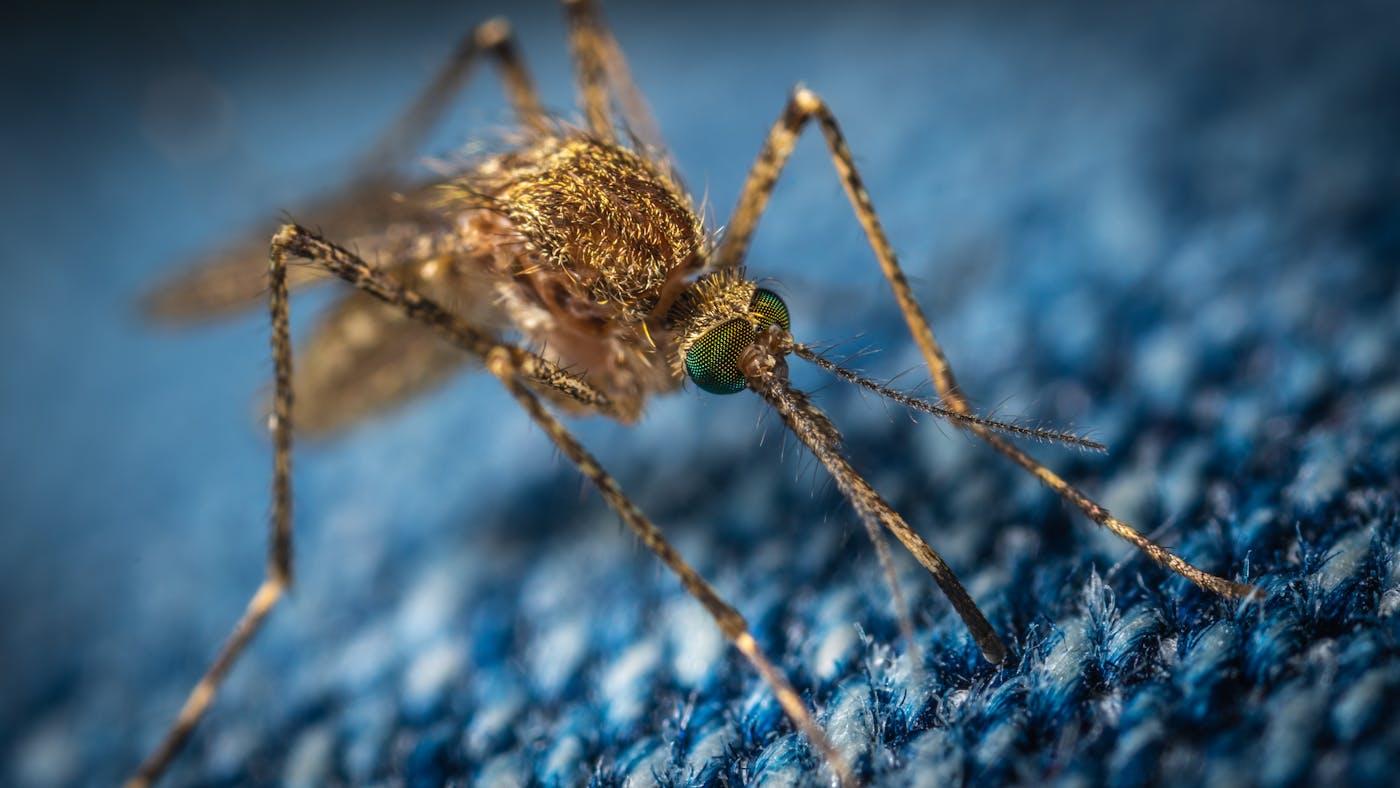
Laos is a low-risk malaria country and antimalarial tablets are not generally recommended. The risk is very low in Vientiane, and tablets are usually only considered for specific rural or border areas, often where someone is staying longer or has particular health risks. For most travellers the message is awareness rather than medication. That does not mean mosquitoes can be ignored. The same biting insects also carry dengue, Japanese encephalitis and chikungunya, and there is no daily tablet for those. Good bite avoidance is the single most useful habit you can pack: a DEET-based repellent applied properly, loose long sleeves and trousers around dawn and dusk, and a treated net if your room is open to the outdoors. Dengue mosquitoes bite mainly in the daytime, so cover up around the clock rather than only in the evening. If you are heading into the rural south or near border regions, talk to us about whether tablets are right for your route, and we can confirm dosing at your consultation.
- Low malaria risk overall; very low in Vientiane, so tablets are not usually needed
- Tablets generally only for specific rural or border areas, or higher-risk travellers
- Bite avoidance also protects against dengue, Japanese encephalitis and chikungunya
- Use DEET repellent, cover up day and night, and sleep under a net where rooms are open
FAQ
Laos travel health: common questions
Heading to Laos? Let's get you protected
Whether you are temple-hopping in Luang Prabang or exploring the rural south, we will build a vaccination plan around your real itinerary and talk you through bite avoidance. Book a consultation at our Timperley clinic and travel with confidence.