
Destination guide
Travel vaccines for Papua New Guinea
Remote diving, rainforest treks and highland villages come with real health considerations. Here is what to sort before you fly, from our Yellow Fever centre in Timperley.

Overview
What vaccinations do I need for Papua New Guinea?
For most trips to Papua New Guinea, we would look at hepatitis A, tetanus and typhoid as the core vaccines. Depending on your plans, we may also discuss dengue, hepatitis B, Japanese encephalitis, MMR, polio and, for some longer or higher-risk stays, tuberculosis. Just as important, antimalarial tablets are advised for the whole country because malaria is present year-round.
Papua New Guinea is a genuinely remote destination. Reliable medical care can be a long way off once you leave Port Moresby, and evacuation is slow and costly, so prevention and good travel insurance matter more here than almost anywhere. These are general recommendations from TravelHealthPro (UKHSA/NaTHNaC); we will confirm exactly what you need at a short consultation based on your itinerary and health history.
Plan ahead
Book 4–6 weeks before you fly
Some vaccines need more than one dose, and antimalarials may need to start before departure. Given how remote PNG can be, aim to see us four to six weeks ahead so everything is in place. Left it late? Still come in, as useful protection can often be arranged quickly.
Recommended vaccinations
Vaccines commonly advised for Papua New Guinea
The list below follows TravelHealthPro (UKHSA/NaTHNaC) guidance and is tailored to your trip at your appointment.
Hepatitis A
Most travellers
Spread through contaminated food and water, which is a real risk across PNG, especially away from resorts and dive lodges.
Tetanus
Most travellers
Worth being up to date given trekking, diving and the chance of cuts and grazes far from medical help.
Typhoid
Most travellers
Recommended where food and water hygiene can be poor, which applies to much of rural and remote PNG.
Dengue
Some travellers
Dengue is mosquito-borne and present in PNG; we can discuss whether the vaccine is suitable alongside strict bite avoidance.
Hepatitis B
Some travellers
Advised for longer stays, adventure activities, or if you might need medical or dental care while there.
Japanese encephalitis
Some travellers
Consider it for longer rural stays or extended time near rice-growing and wetland areas where mosquitoes carry the virus.
Measles (MMR)
Some travellers
Make sure you have had two documented doses, as measles still circulates and outbreaks occur.
Polio
Some travellers
A booster may be advised; we usually give this combined with tetanus and diphtheria.
Tuberculosis
Some travellers
Mainly considered for longer stays or close contact with local communities, particularly in younger travellers.
Entry rules — separate from your jabs
Yellow fever certificate: what Papua New Guinea requires
A yellow fever certificate requirement is a legal condition of entry — it is not the same thing as the vaccine being recommended for your health. The recommendation (when there is one) appears in the vaccine list above; the entry rule is below.
Flying direct from the UK? No yellow fever certificate needed for Papua New Guinea
Papua New Guinea only asks for a certificate (ICVP) from travellers aged 1 year+ who arrive from — or pass through — a country with yellow fever risk, and any airport layover in a risk country counts, however short. That catches out multi-country itineraries, so check your whole route, not just your destination.
There is no yellow fever transmission risk in Papua New Guinea itself — this rule exists purely to stop the virus being carried in from elsewhere.
Malaria & mosquitoes
Malaria and mosquito-borne illness in Papua New Guinea
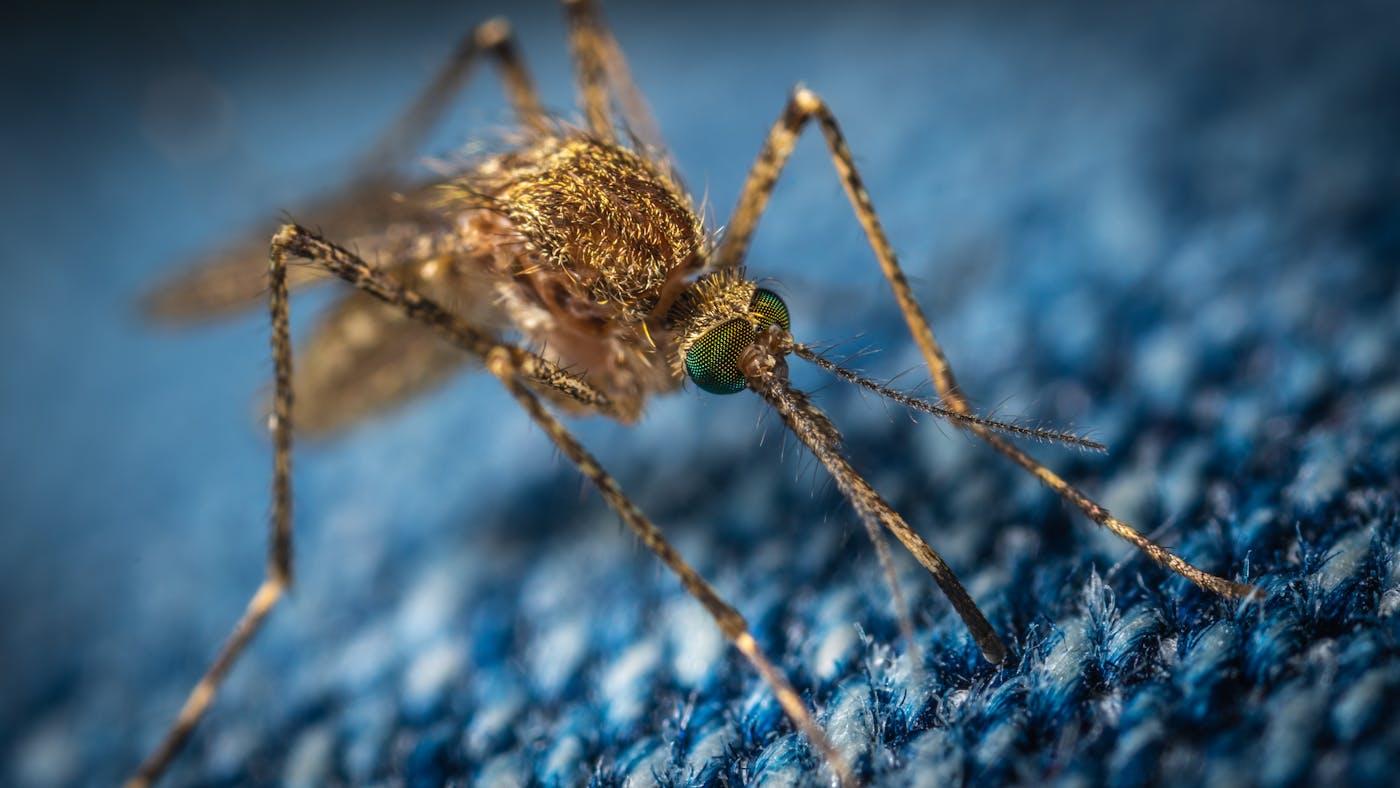
There is a high risk of malaria across Papua New Guinea below 1,800m, and it is present year-round. Antimalarial tablets are recommended for the whole country, with atovaquone/proguanil, doxycycline or mefloquine all suitable options depending on you and your trip. Above 1,800m the risk is very low, so awareness and bite avoidance are the priority there.
- Take tablets exactly as prescribed, including doses after you return
- Cover up at dusk and use a DEET-based repellent day and night
- Sleep under a treated net and mention any fever to a doctor for a year after travel
FAQ
Papua New Guinea travel vaccines — FAQs
Getting ready for Papua New Guinea?
Book a consultation at our Timperley clinic and we will build a tailored plan covering vaccines, year-round malaria protection and advice for remote travel.